When people shop for pure electric sedans nowadays, it is easy to notice a common phenomenon: the paper specifications of major models have become increasingly similar. Whether it is a range of six or seven hundred kilometers or acceleration times of five or six seconds, in daily city commuting and short weekend trips, almost no obvious difference can be felt. What truly creates a gap in the user experience is actually charging convenience, everyday handling feel, in-car practicality, and the underlying safety foundation of the vehicle. The Lynk 10 pure electric version does not offer a single configuration but is divided into the Megawatt Smart Charging Edition and the Smart Charging Edition, precisely matching different users' vehicle usage environments. Combining real scenarios of daily vehicle use, let's talk about this car's design, chassis, range and charging, space and safety, and other tangible vehicle performance.
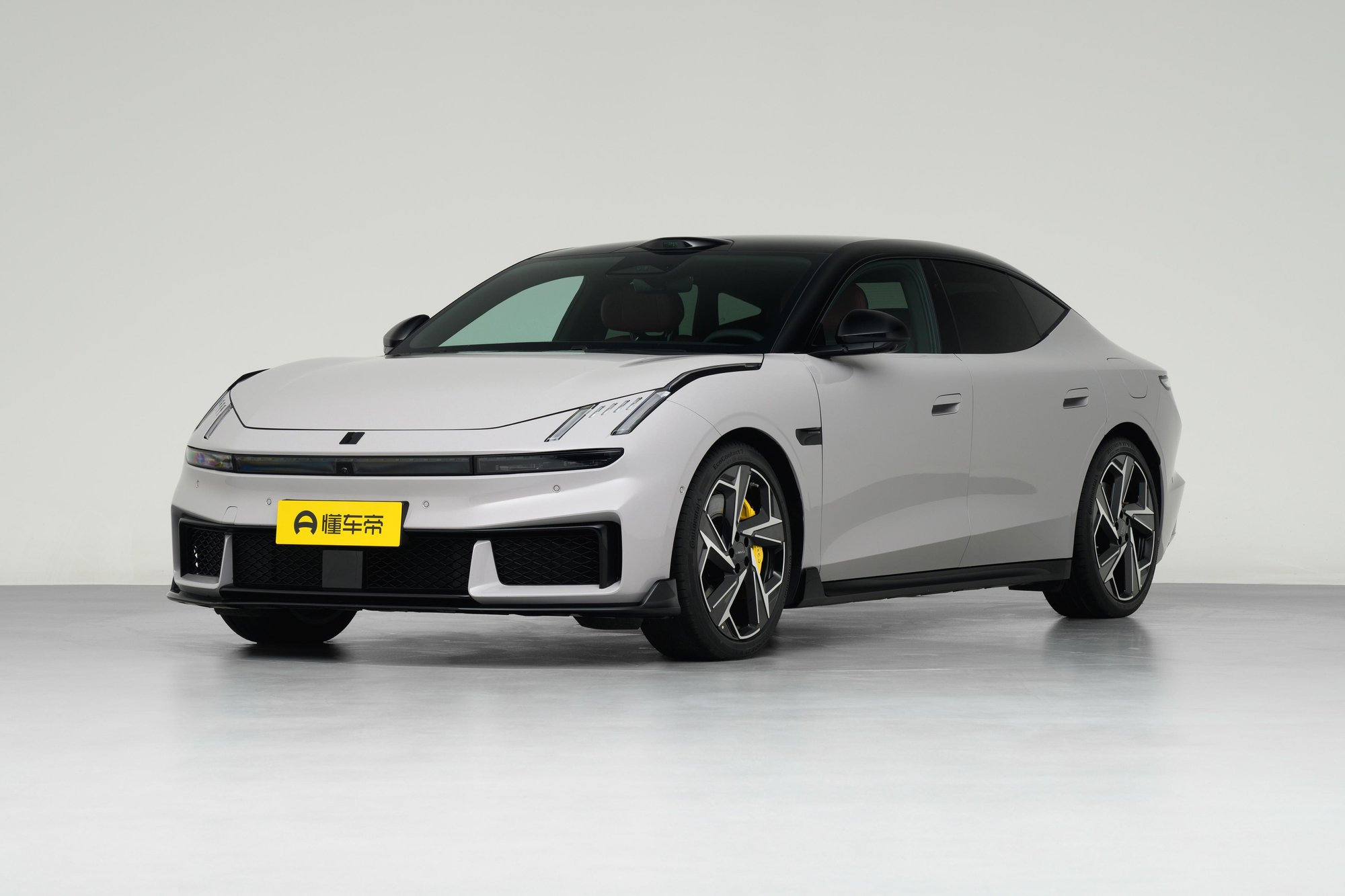
As a five-meter-class family pure electric sedan, the Lynk 10 has clear parameter standards in body dimensions: the vehicle length is 5050mm, the width is 1966mm, and the wheelbase reaches 3005mm. Many people may think that a large-sized sedan feels bulky and difficult to handle in the city, but this car's actual handling performance forms a good balance with its body dimensions. The model is equipped with a 5.7-meter turning radius, adopts a front double-wishbone and rear multi-link suspension structure, and is also equipped with a CCD continuously variable damping shock absorption system. This chassis hardware comfortably adapts to urban daily commuting conditions; dropping off and picking up children during morning and evening rush hours, passing oncoming vehicles on small city roads, and maneuvering in residential underground garages are all very flexible.
When driving at low speed on narrow roads, the double-wishbone front suspension can keep the tires at a stable contact angle, and the steering wheel is precise, without the need to repeatedly adjust direction. The rear follows smoothly and does not lag, making it safer when passing curbs and narrow alleys. During high-speed driving, ramp cornering, or mountain road driving, the suspension's lateral support is solid enough, and the body attitude is stable, so passengers do not need to frequently adjust their seating posture. This balances the driver's handling feel and the ride comfort of all occupants, breaking the stereotype that large cars are difficult to drive.
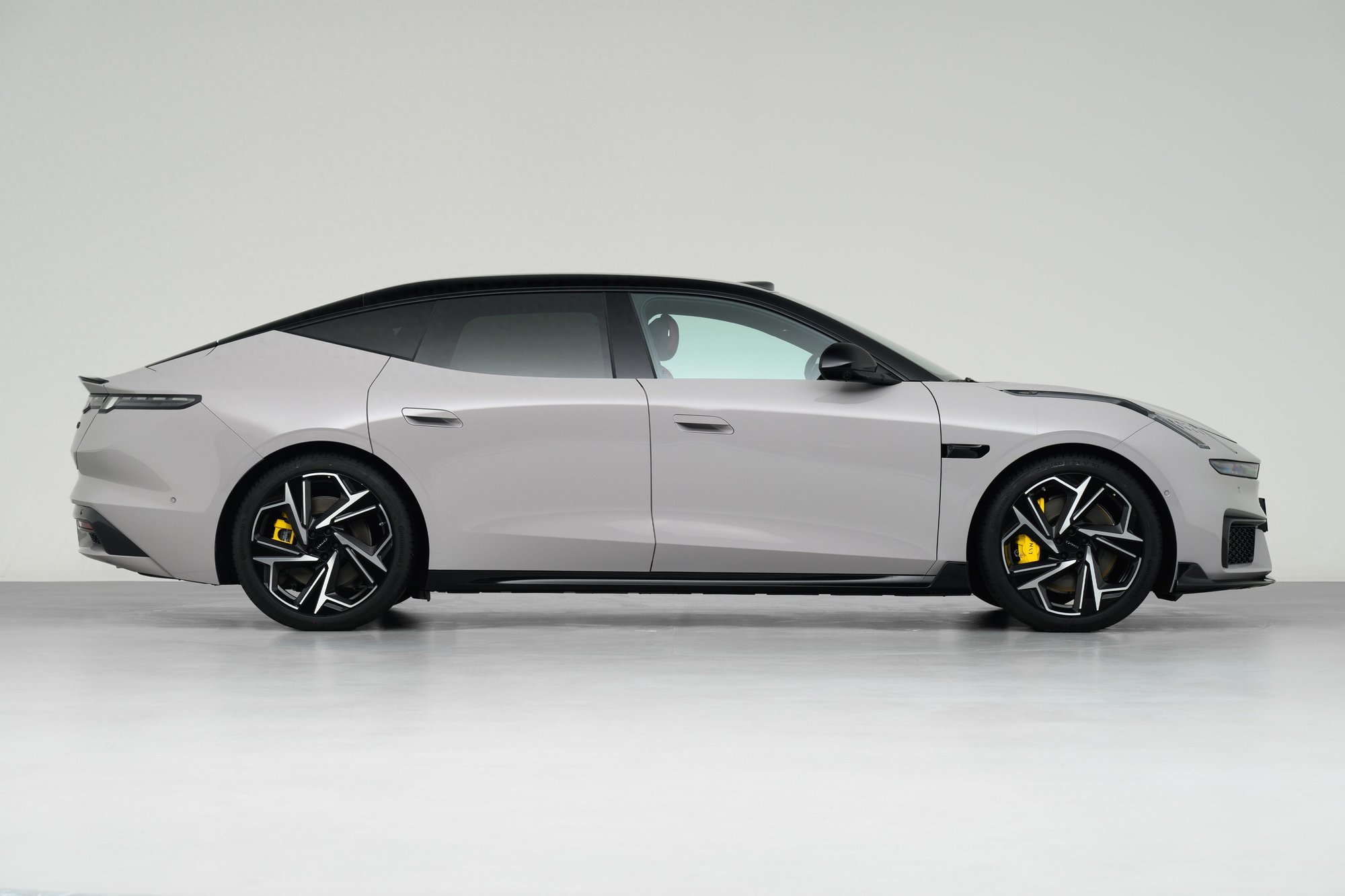
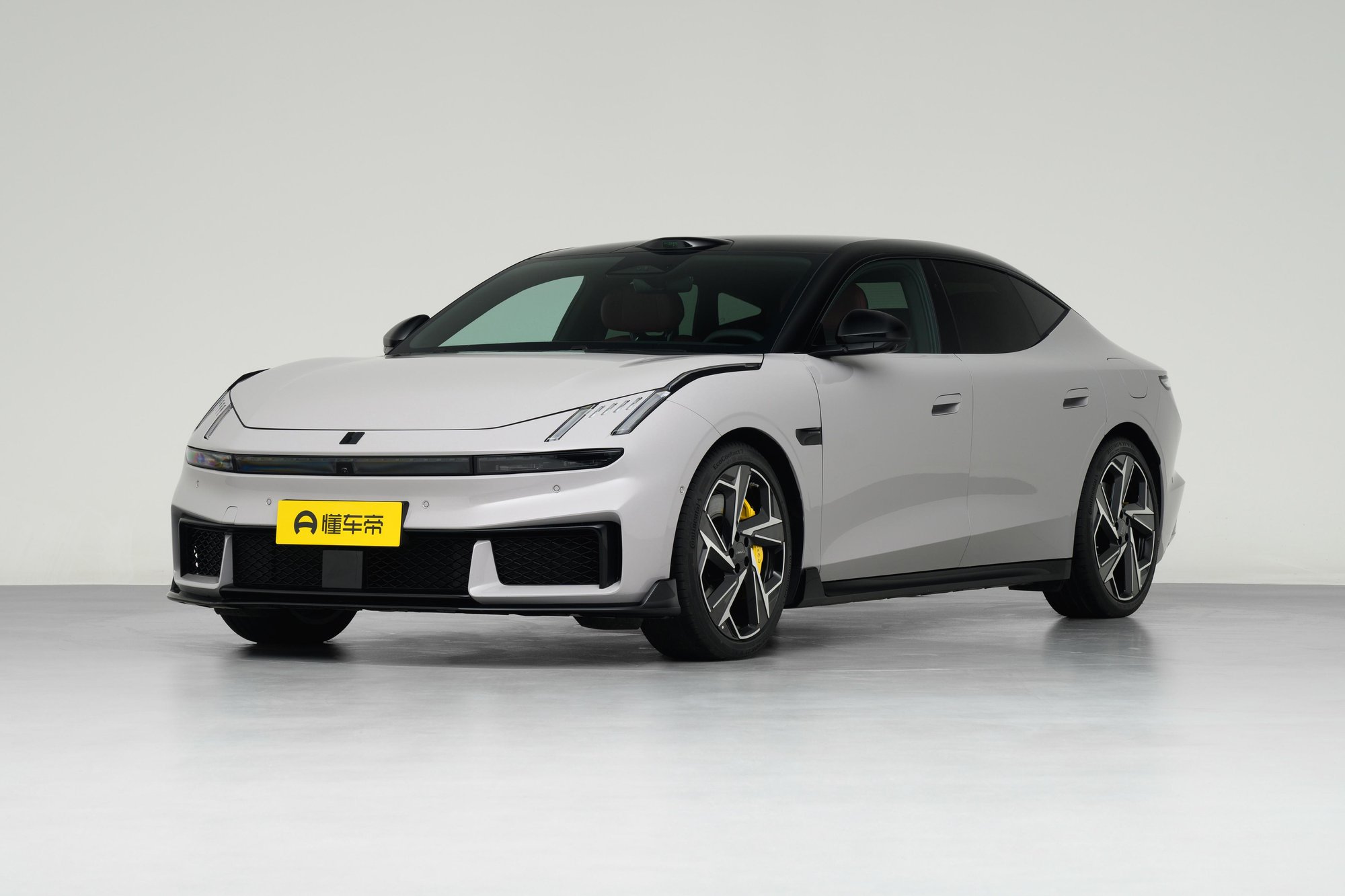
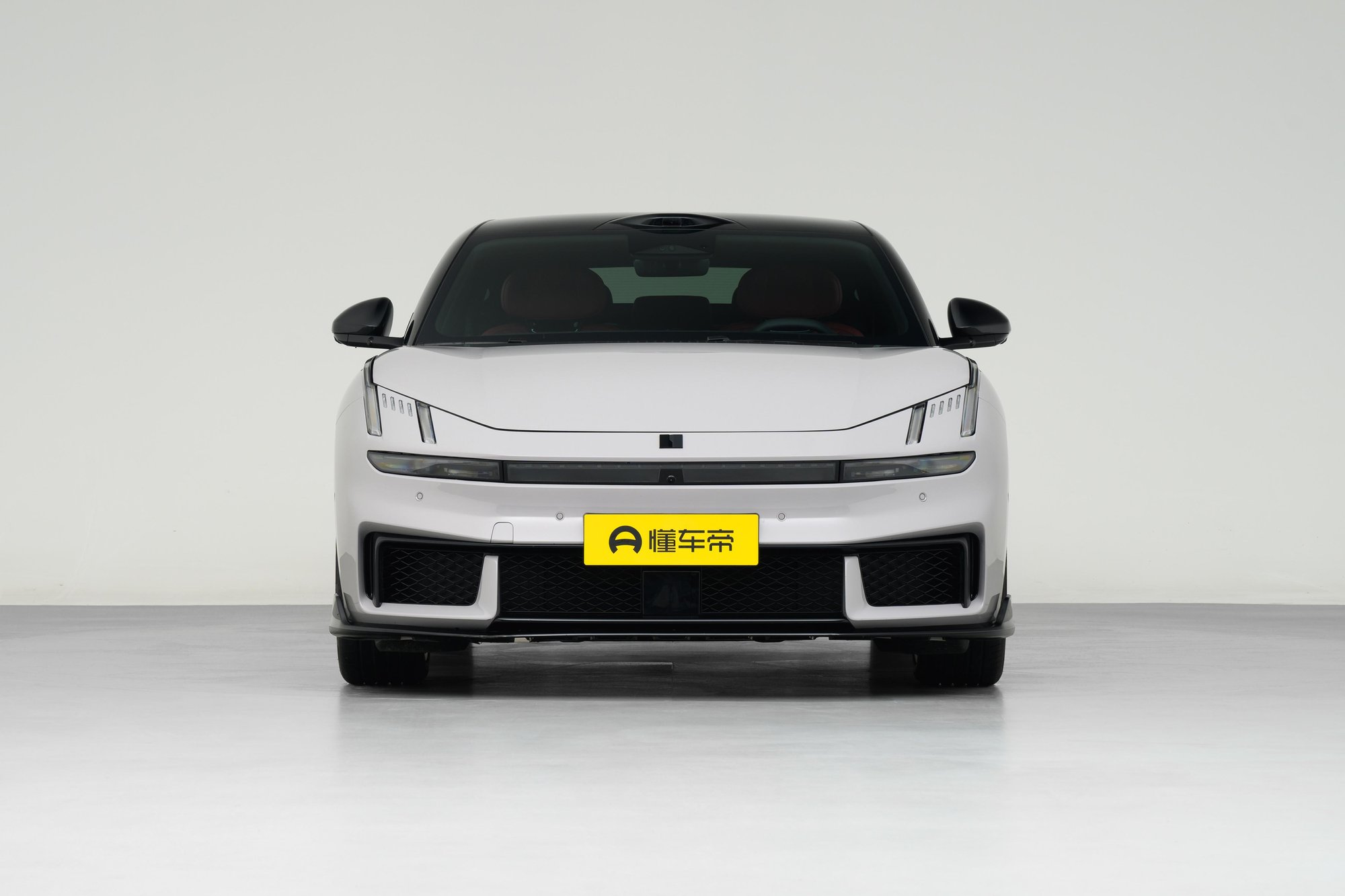
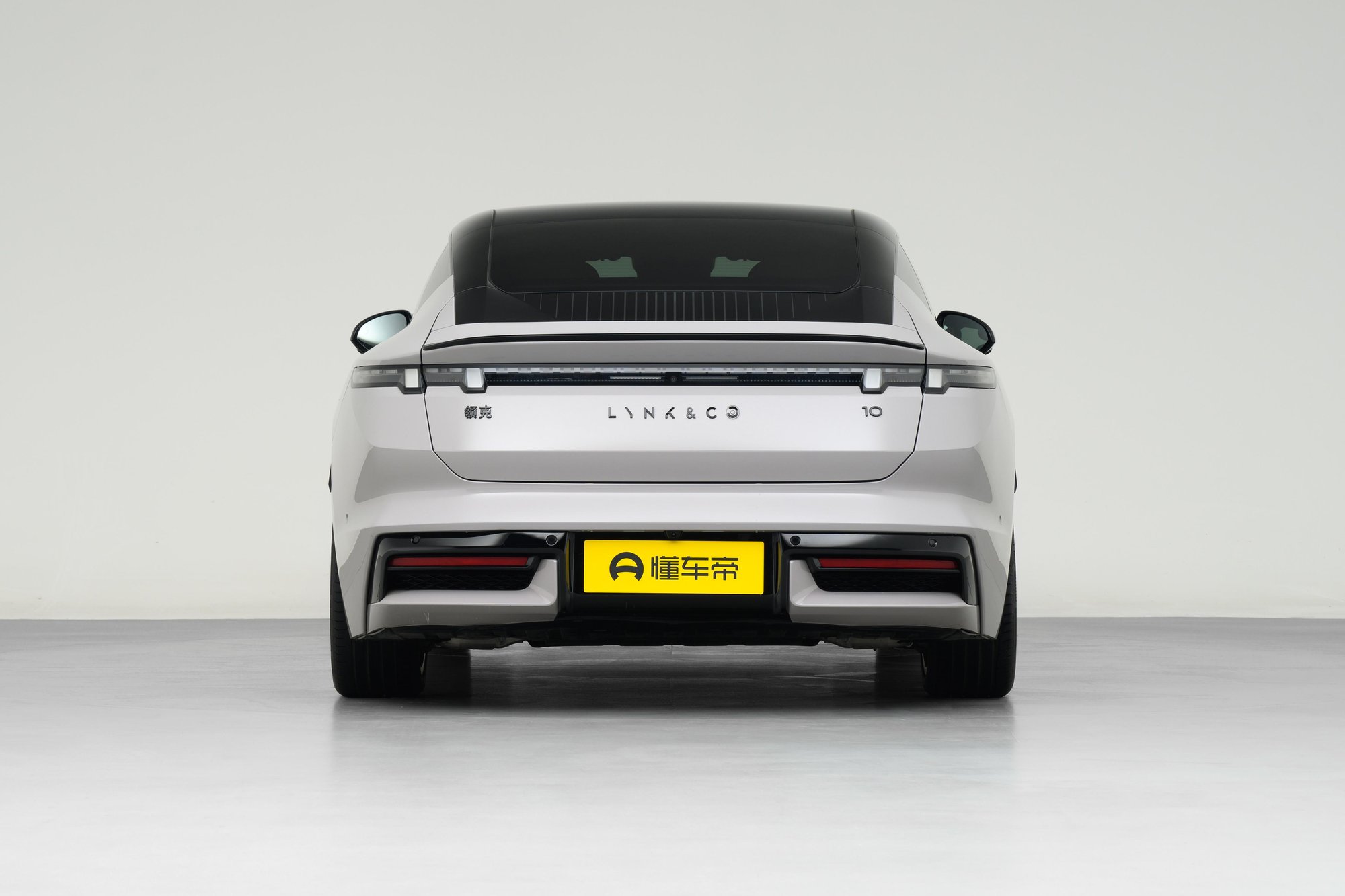
Exterior design is a relatively intuitive part of the daily vehicle experience. The Lynk 10 adopts The Next Day design language, and the overall style is simple, pleasant to look at, and highly recognizable. The front continues the concept car's split headlight design, and the low-slung body proportions give a calm and imposing visual impression. Details such as semi-hidden door handles and the active elevating rear spoiler not only enhance the vehicle's refinement but also fit the aesthetic needs of daily use. Unlike the uniform design styles common on the market, this car's exterior adheres to original sporty aesthetics and does not blindly follow mass trends; over long-term daily use, it remains visually pleasing.
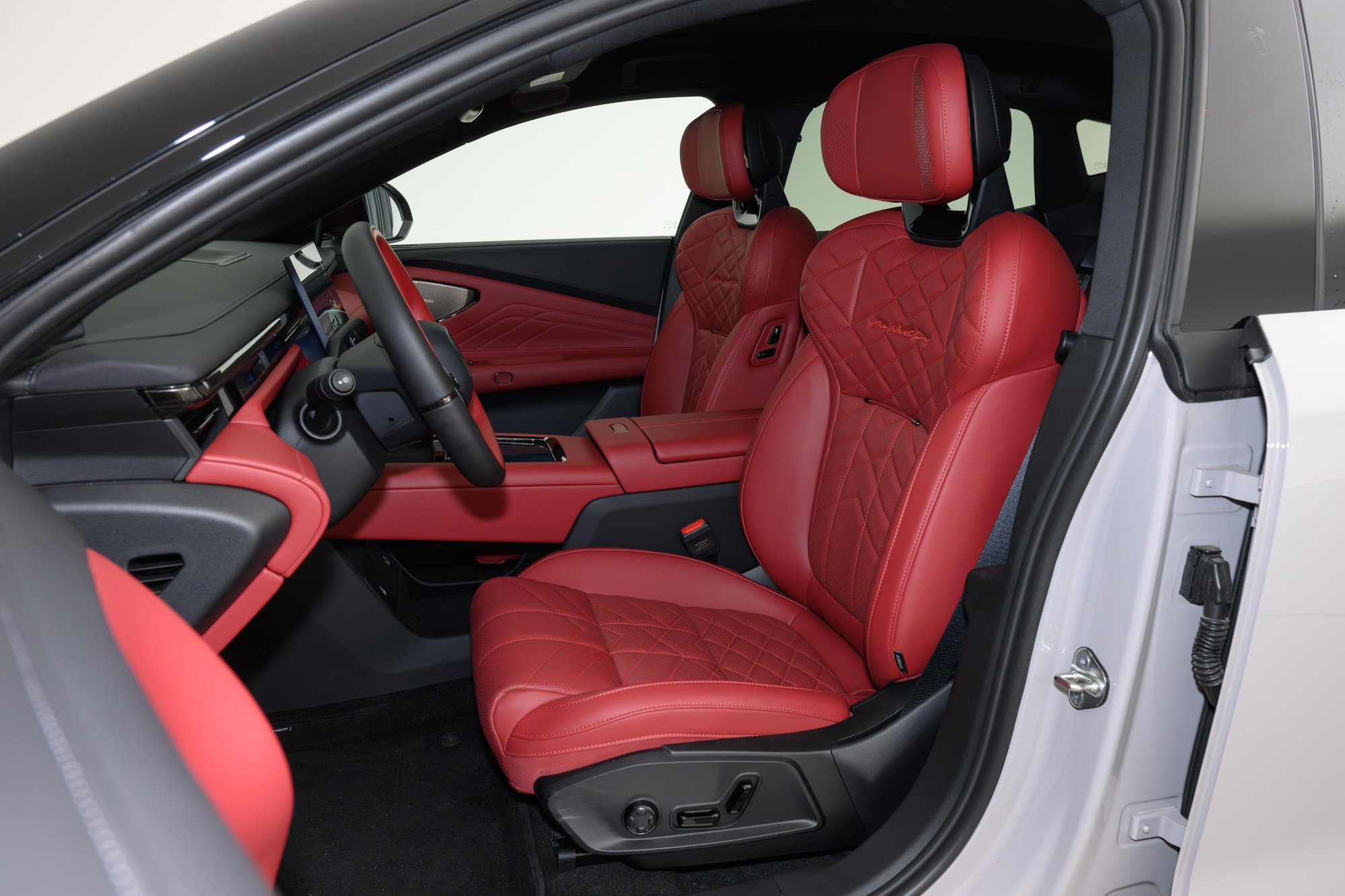
The interior space and detail configurations fully match various family travel scenarios. The rear row's effective headroom is 951mm, and legroom is 268mm. Even a 1.8-meter-tall adult sitting in the rear can have ample legroom and will not feel cramped. The vehicle is equipped with a 5.7-liter hot-and-cold integrated onboard refrigerator, with a temperature control range of minus six degrees to ten degrees for refrigeration and thirty-five degrees to fifty degrees for warming, and it can continue working for a period after the vehicle is turned off. For daily childcare and short trips, drinks and ingredients can be refrigerated in summer, and milk and hot water can be kept warm in winter, saving the trouble of household storage and organization.
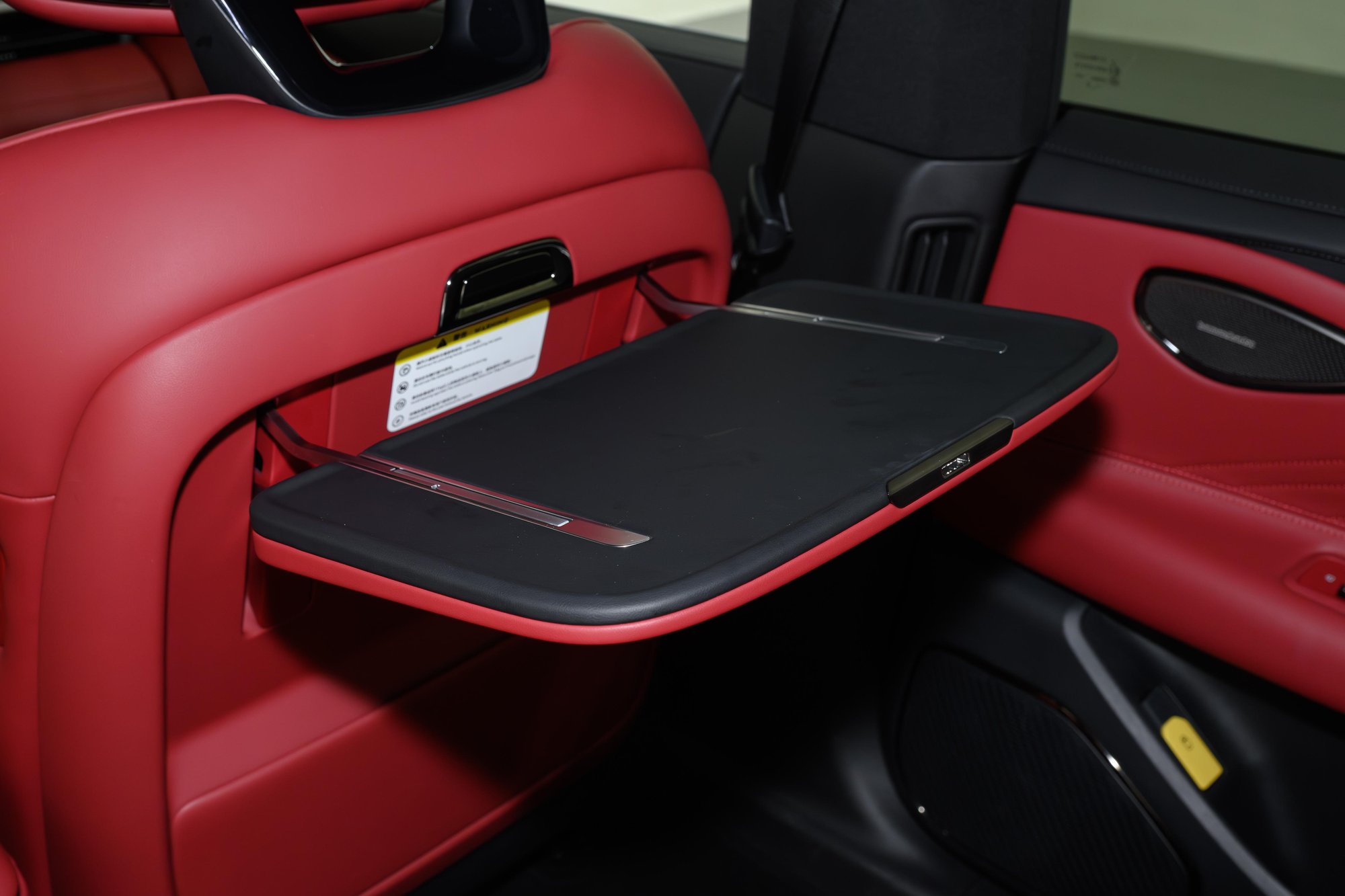
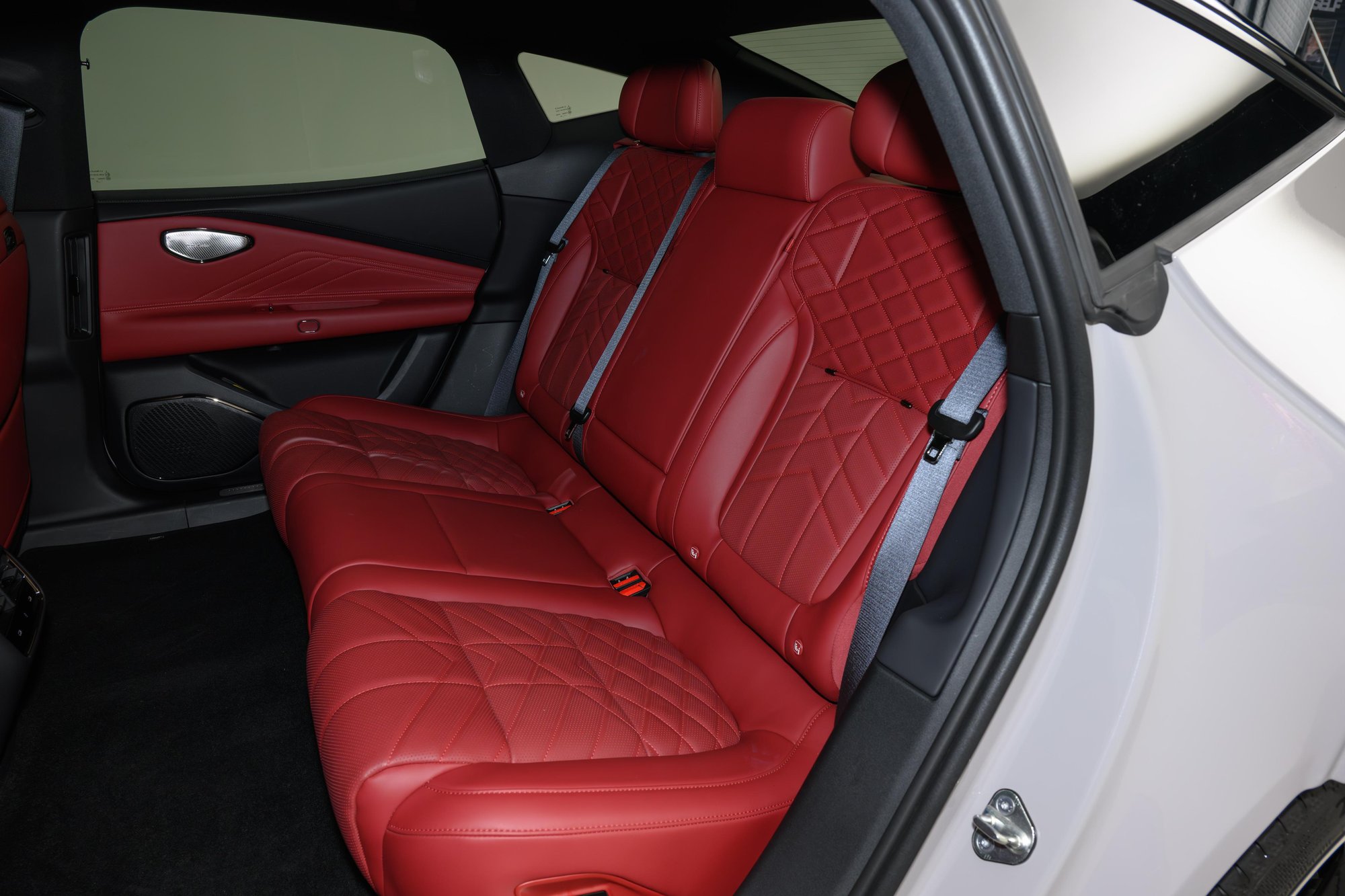
In addition, all seats in the vehicle are equipped with ventilation, heating, and massage functions, the rear backrest supports electric adjustment, and the right rear seat is provided with a small table board that can bear 15 kilograms. These configurations have no flashy gimmicks; they are all high-frequency practical features. Whether for daily commuting or long family trips, they can greatly improve ride comfort and make the vehicle experience more convenient.
Charging and range are the core points that pure electric vehicle users care about, and they are also a major difference between the two versions of the Lynk 10. Among them, the Megawatt Smart Charging Edition is equipped with a 900V high-voltage platform and a 12C peak charging rate, delivering very impressive charging speed. Official data shows that the vehicle can charge from 10% to 70% in as fast as 4 minutes and 22 seconds, and from 10% to 97% in an average of 8 minutes and 40 seconds for the whole process, achieving 2.5 kilometers of range per second of extreme charging, with a CLTC range of up to 816km.
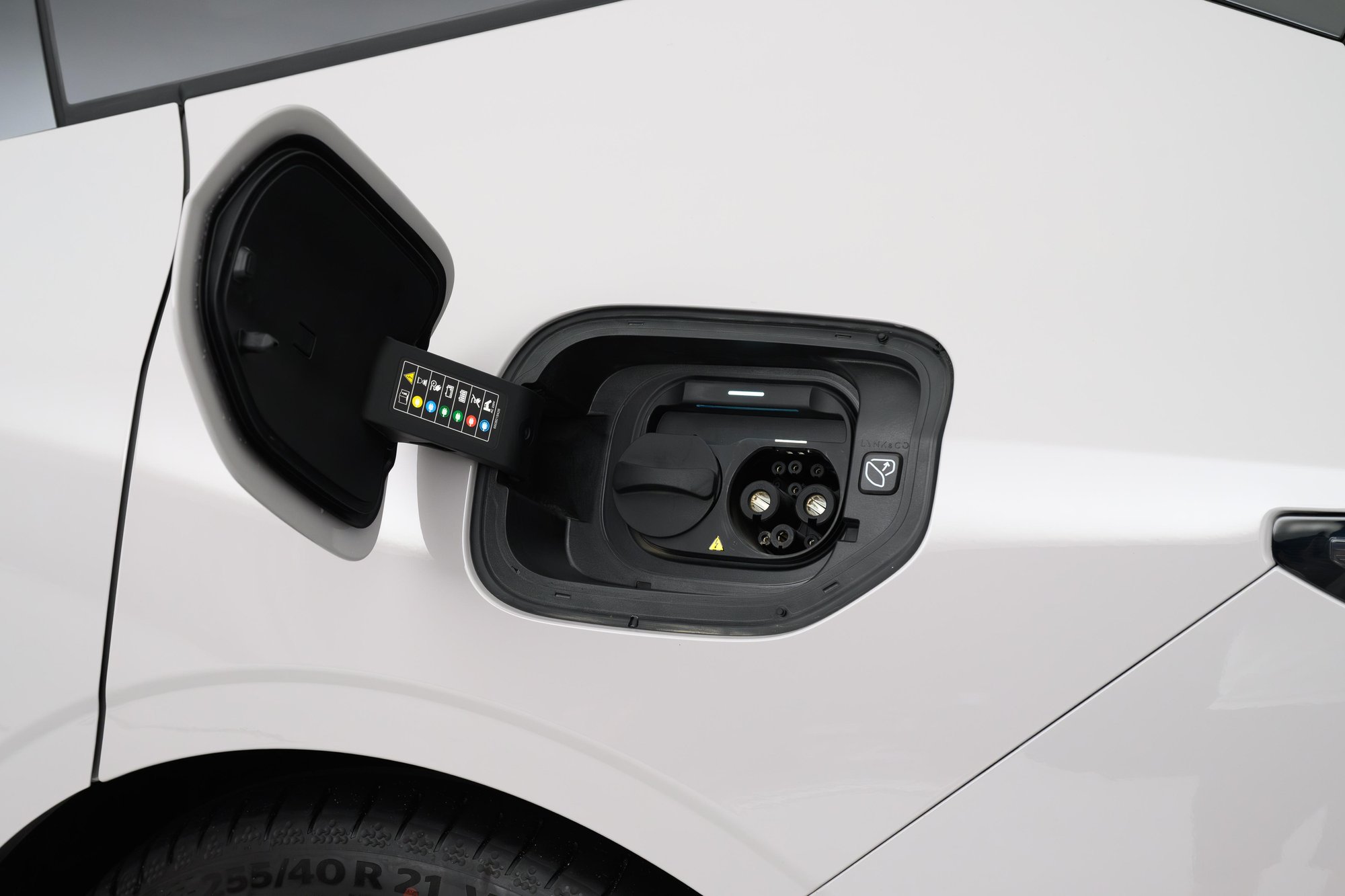
In real travel scenarios, for a cross-city trip of about two hundred kilometers, when the return trip has insufficient battery, finding a compatible high-power charging pile and taking a brief rest is enough for the battery to support the entire round trip, without specially reserving a long charging time. Based on a highway range conversion ratio of 70%, this car's actual highway range can reach more than five hundred kilometers. For long-distance journeys within four hundred kilometers one way, starting with a full charge can basically avoid mid-trip charging, greatly reducing the frequency of charging waits on long trips.
It should be objectively stated that 900V high voltage and a 12C charging rate are the vehicle's hardware upper limits, and the actual charging speed depends on the power of the supporting charging pile. At present, most public ordinary fast-charging piles cannot reach the vehicle's peak standard. On ordinary charging piles, the charging experience gap between the Megawatt Smart Charging Edition and the Smart Charging Edition is not large. The advantage of this high-end version is mainly reflected on routes with dense high-power charging piles on highways, making it suitable for users who frequently travel long distances and frequently use high-power fast-charging piles. If daily home charging is available and the car is used only for city commuting, this high-performance charging hardware is unlikely to fully play its role.
The Smart Charging Edition is equipped with an 800V high-voltage platform and is a reliable choice suited to the general public's daily vehicle use. In the current public fast-charging system, the charging speed of the 800V platform can fully meet the needs of daily emergency charging and occasional long-distance travel. During the time spent having a simple meal and resting at a service area, enough range can be replenished to support the subsequent journey. For most users who have home charging conditions and only occasionally use public charging piles, this version's configuration is sufficient for daily use, and its cost-effectiveness is more balanced.
Regarding purchase benefits, starting from October 1, users who newly purchase the Lynk 10 can enjoy charging benefits of 1,000 yuan per year for two consecutive years, totaling 2,000 yuan. The core value of this benefit is that it reduces users' cost of using public fast charging and eliminates their concerns about using public charging piles. Many users with home charging basically do not use public fast charging in daily life, wasting the vehicle's fast-charging hardware capability, while this benefit can encourage users to actively adapt to the vehicle's fast-charging performance and fully leverage the model's charging advantages. At the same time, the brand's charging network continues to improve, and the density of charging piles keeps increasing, which also continuously optimizes the overall charging experience. (For activity details, please consult local dealers.)
In terms of overall vehicle safety, the Lynk 10's protective configuration is very solid. The proportion of high-strength steel and aluminum in the vehicle reaches 80.5%, and the A-pillar adopts a four-layer structure of 2000MPa hot-formed steel, which can protect the integrity of the passenger cabin to a greater extent in emergencies. The battery configuration is designed differently by version. The Lynk 10 pure electric version is equipped with the ShenDun Golden Brick battery as standard across the lineup, featuring a 985 all-around protection structure, and has successfully passed the 1800J battery bottom extreme impact test, which is 12 times beyond the national standard.
Battery test scenarios that people easily confuse in daily life can be clearly distinguished. The six major serial extreme scenarios test with live power and the battery pack live multi-point triggered thermal runaway safety test are both test standards for the Lynk 10 EM-P super hybrid battery. The battery protection of pure electric models focuses on sufficient redundant protection against common risks such as chassis impacts and thermal runaway during high-temperature fast charging. The vehicle's safety configuration is like daily protective assurance; its role is hard to perceive in normal times, but it is an indispensable fallback guarantee during driving, and it is also a basic condition worth prioritizing when choosing a car.
Overall, the two versions of the Lynk 10 are not superior or inferior to each other; they simply suit different groups of vehicle users. The two models share the same chassis, cabin, and body safety structure, and the core driving and riding quality and safety protection levels remain consistent. The core criterion for choosing a model has never been the parameter levels on the configuration sheet, but rather fitting one's own vehicle usage scenarios. For frequent long-distance travel and regular use of routes with high-power charging piles, the Megawatt Smart Charging Edition can be given priority; for those with home charging conditions and mainly city commuting, the Smart Charging Edition is sufficient to meet all vehicle usage needs. Only by choosing a car based on one's own travel habits can the vehicle's practical value be maximized.