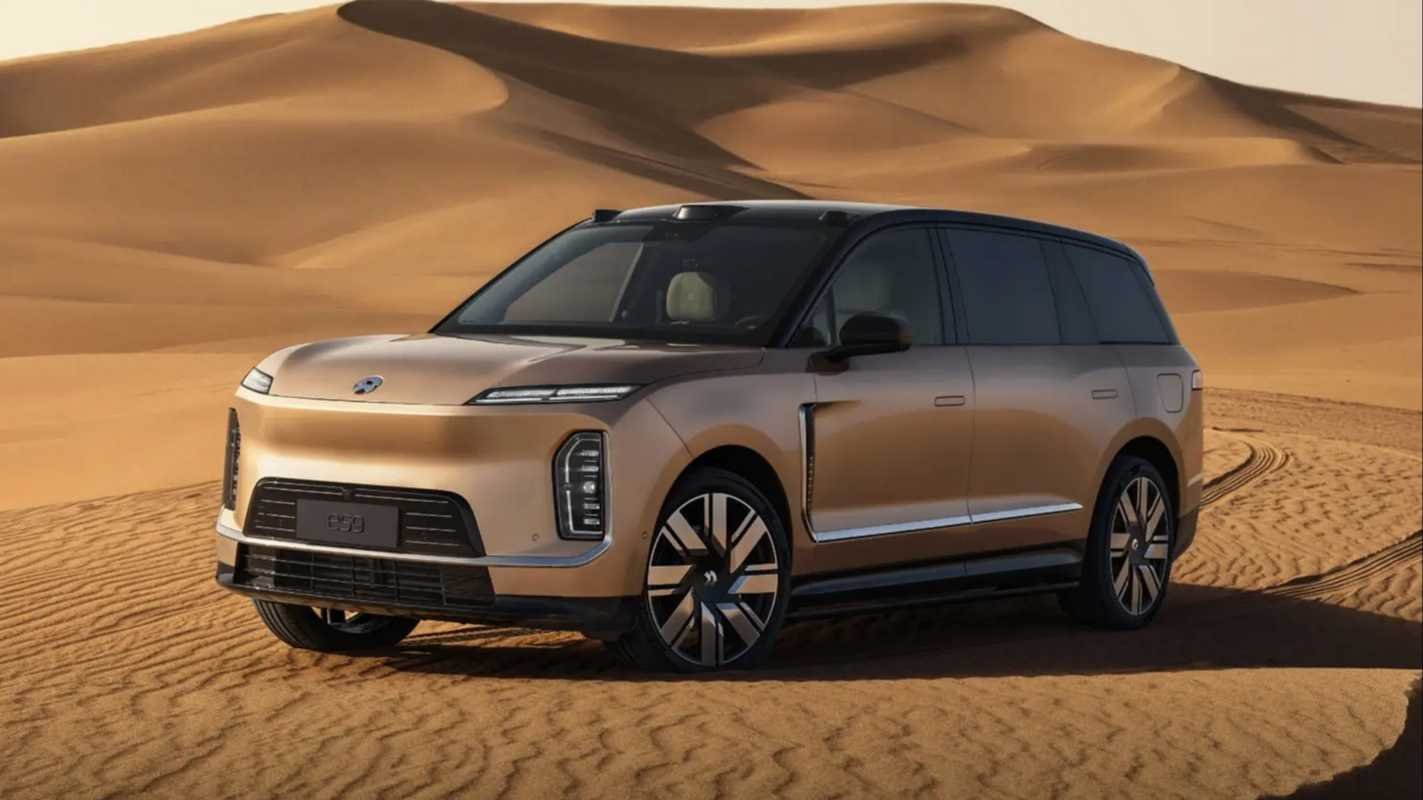
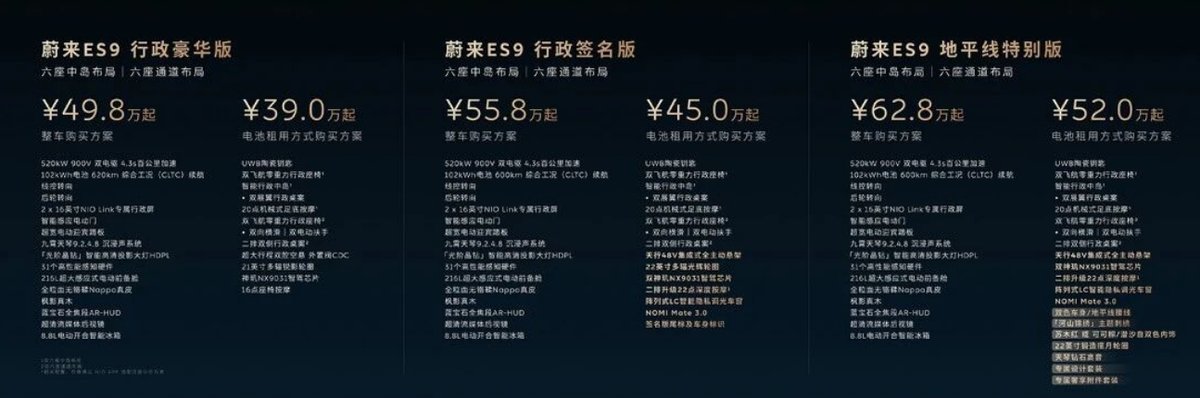
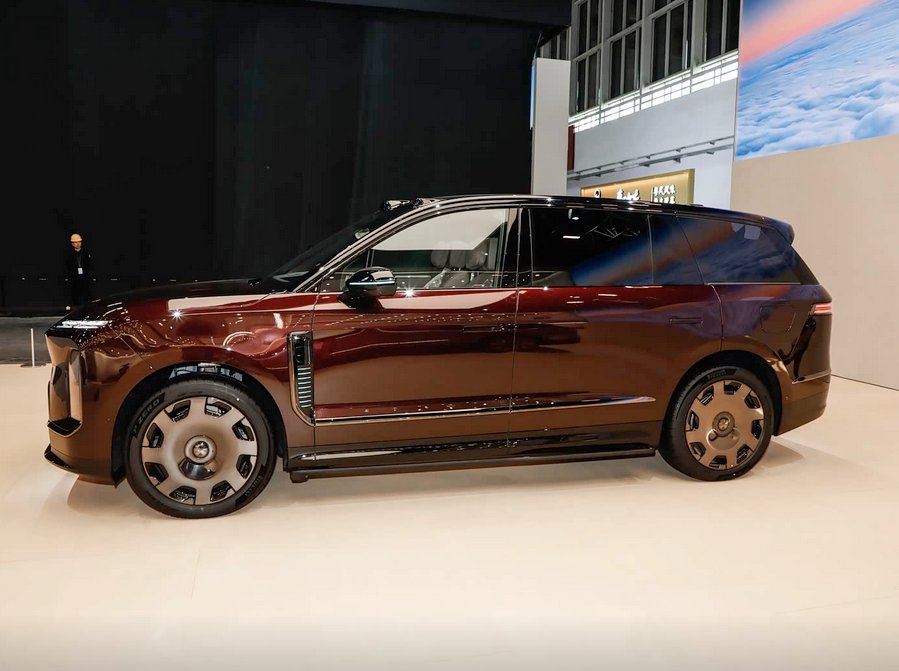
On May 27, the NIO ES9 was officially launched. This large all-electric SUV measures 5,365 mm in length, 2,029 mm in width, and 1,870 mm in height, with a wheelbase of 3,250 mm. The vehicle is built on a 900V high-voltage architecture, supports ultra-fast charging and battery swapping, and is equipped with three lidar units.
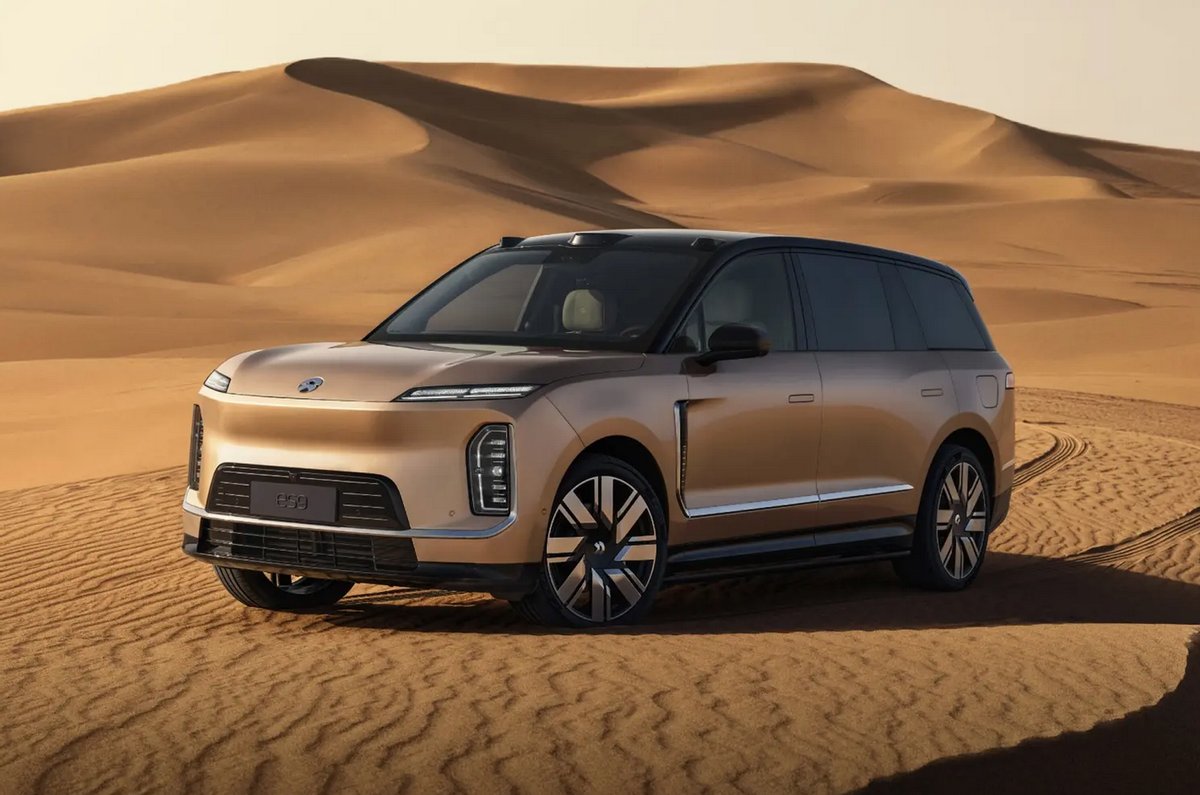
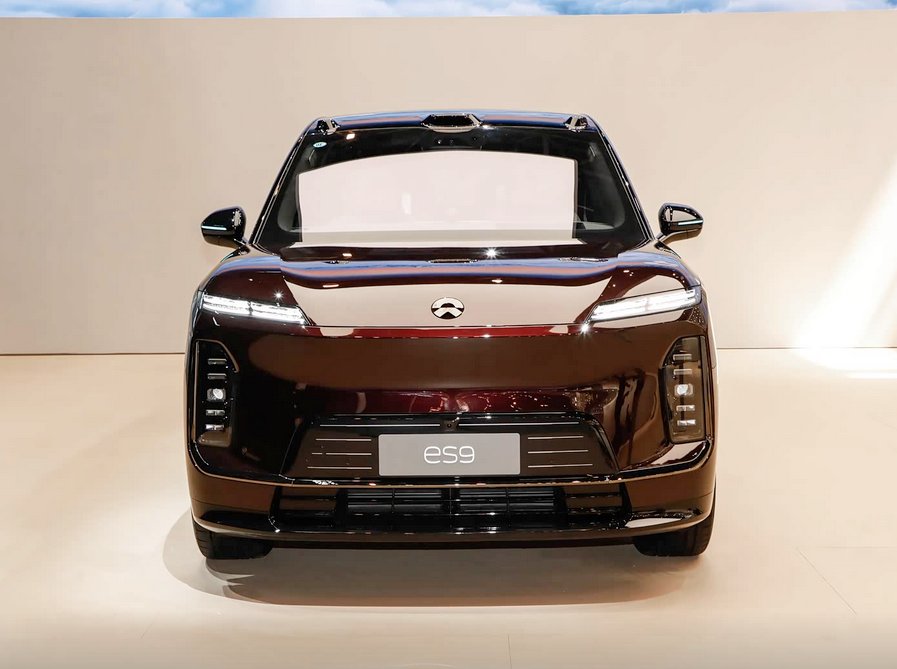
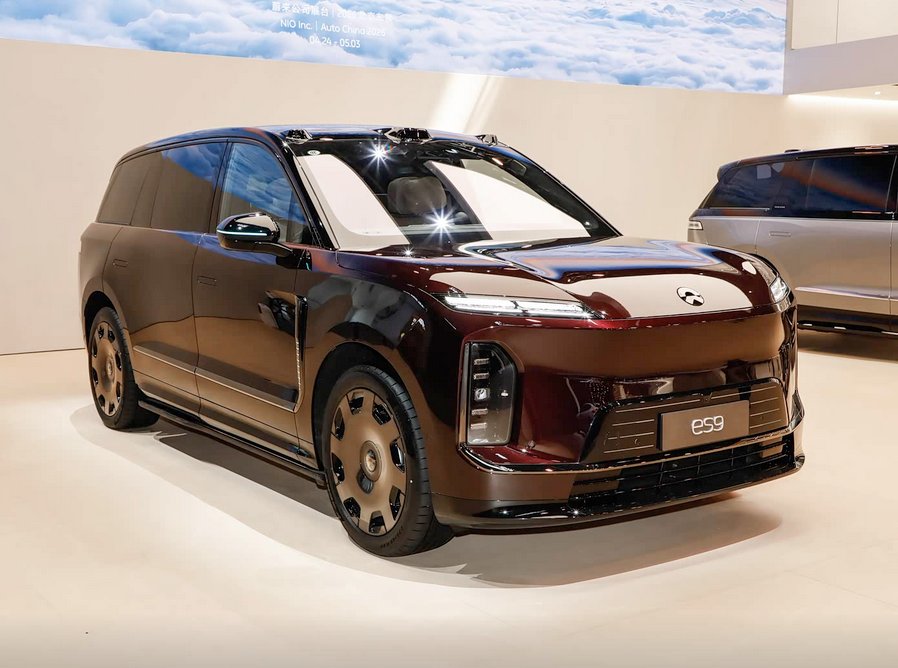
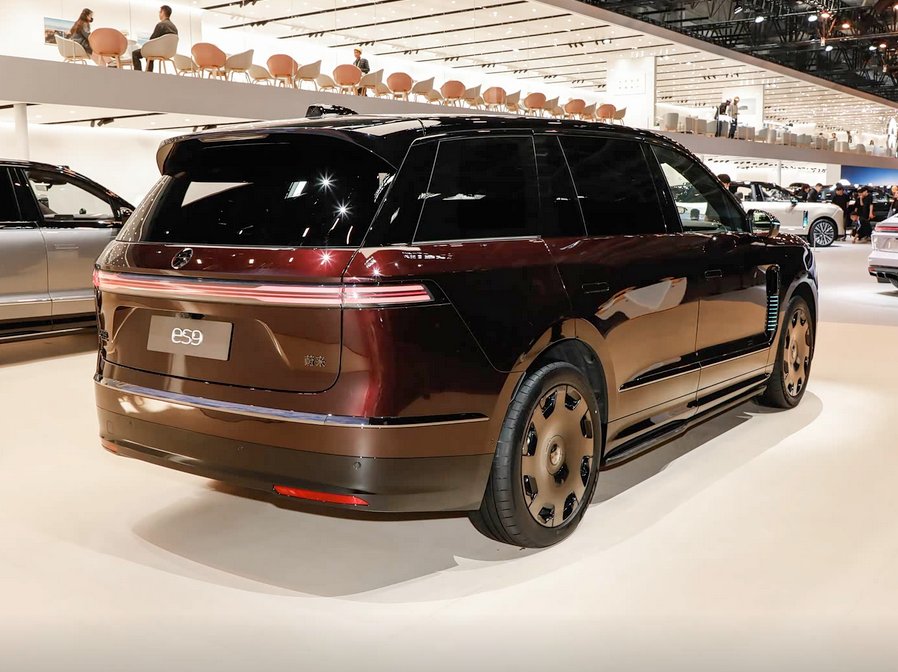
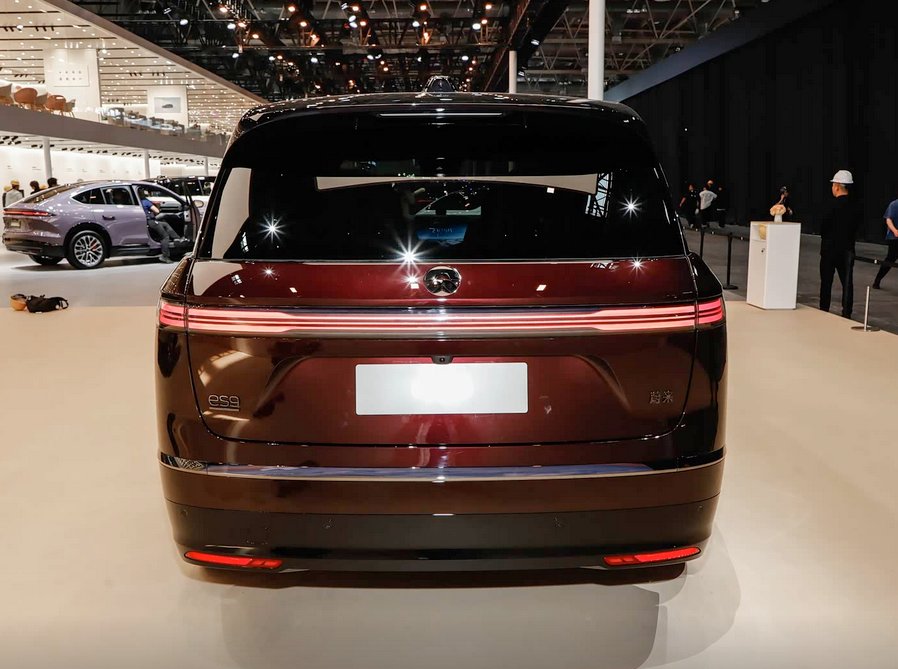
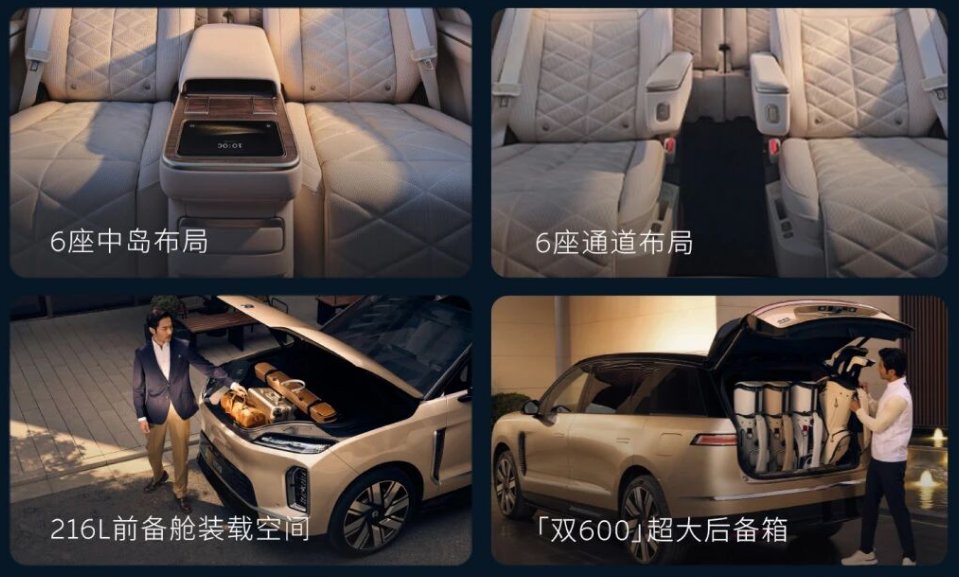
The NIO ES9 features a Shark Nose design at the front, paired with double-layer Double-Dash crystal diamond daytime running lights and Light Stair crystal diamond HDPL intelligent headlights. At the rear, it adopts a three-segment flowing light cluster full-width taillight containing 662 Super Red LED beads. The vehicle is also equipped with sensor-activated electric soft-close doors, electric welcome pedals, a sensor-activated electric tailgate, and a 216-liter sensor-activated electric front trunk. The roof features a segmented panoramic sunroof, and the exterior mirrors have an automatic anti-glare function.
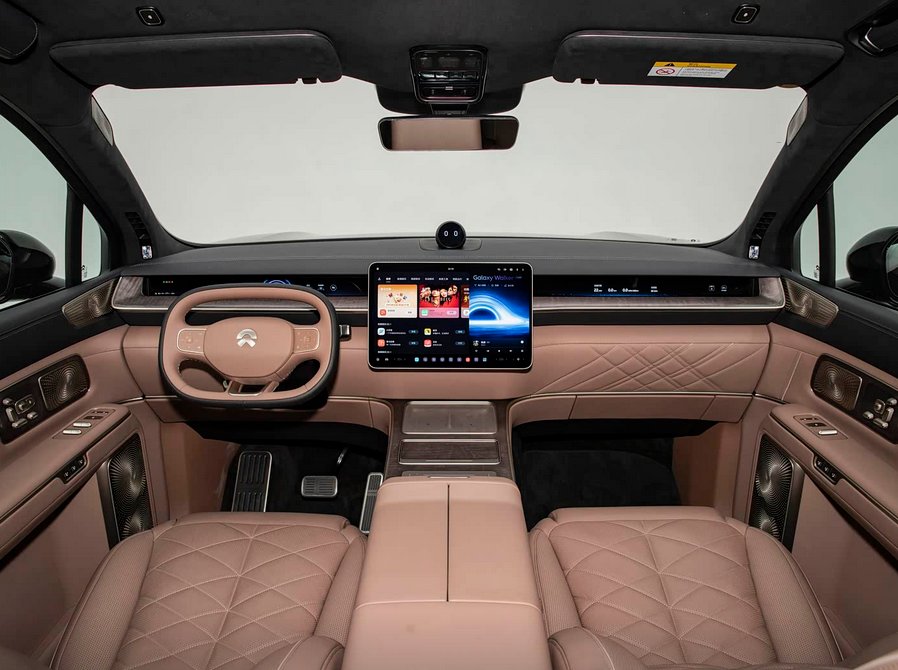
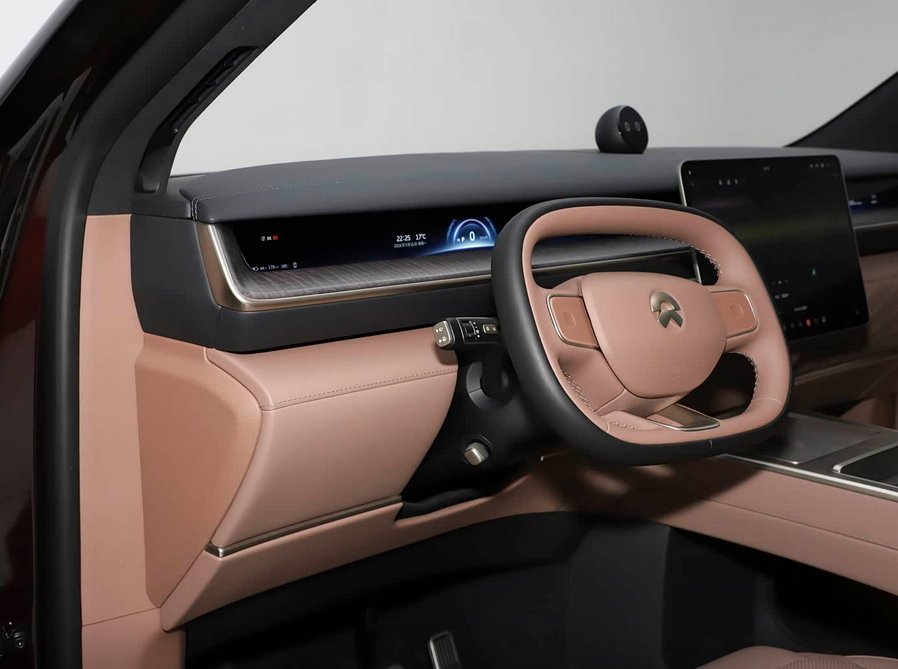
In terms of interior, the NIO ES9's center console area is equipped with a 48-inch 5K ultra-high-definition Skyline digital horizon display that spans the entire dashboard; in the center is a 15.6-inch floating screen, featuring the SkyOS operating system and a Qualcomm Snapdragon 8295 chip. It also offers an AR-HUD, a streaming media rearview mirror, and 50W wireless charging. The steering wheel is made of genuine leather and has a heating function.
The rear row provides two 16-inch 3K resolution screens that support adjustment in sync with seat angles, and integrates an in-car video conferencing system, an 8.8-liter intelligent heating and cooling box, a 9.4-liter safe, and intelligent privacy dimming windows. The rear row also features a multi-function folding table, ambient lighting, a fragrance system, and an air purifier. The seats adopt a 2+2+2 six-seat layout, with the front row and second row both offering heating, ventilation, massage, and headrest speakers, and the third-row seats also have a heating function.
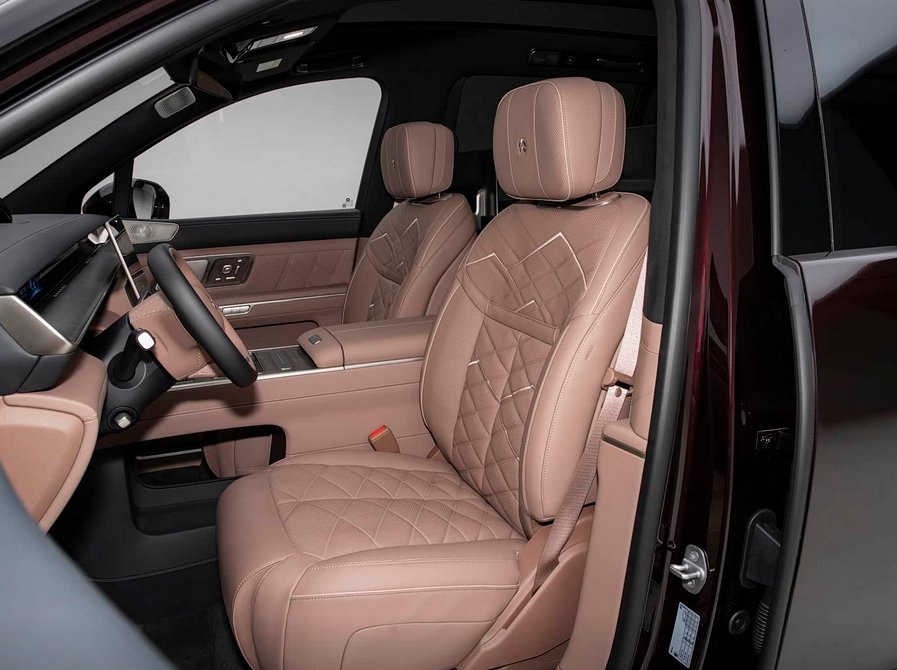
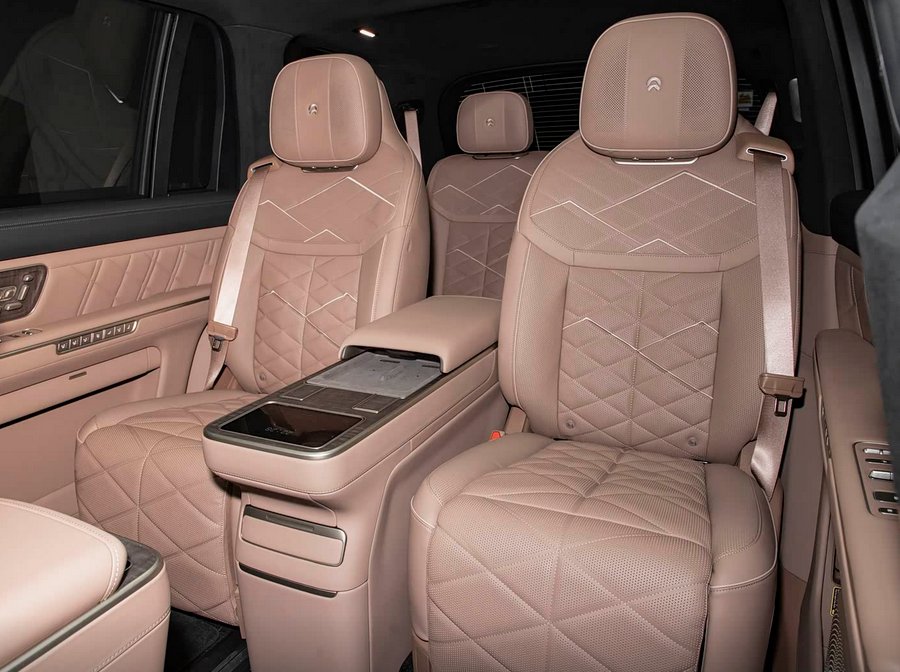
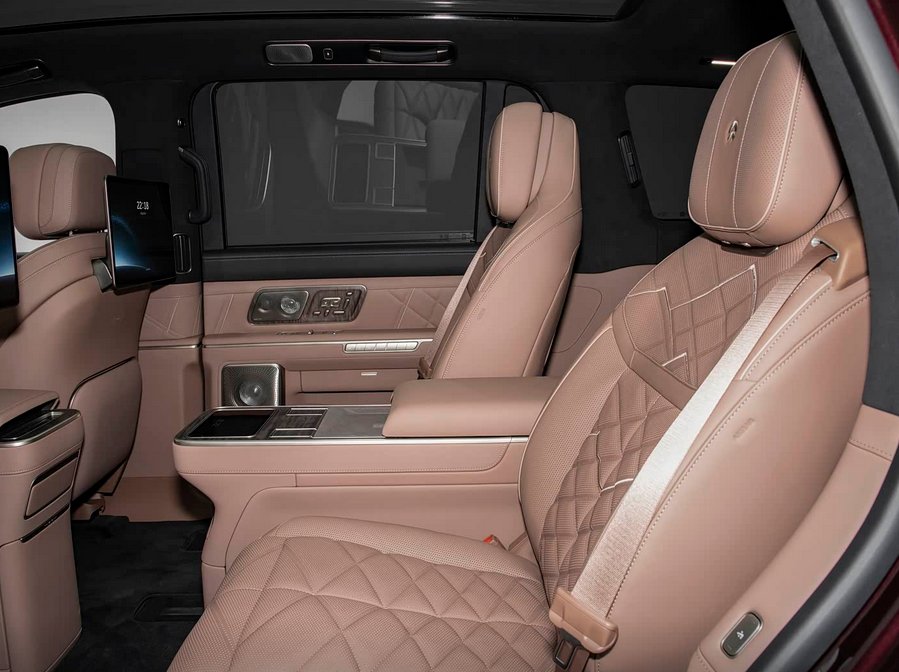
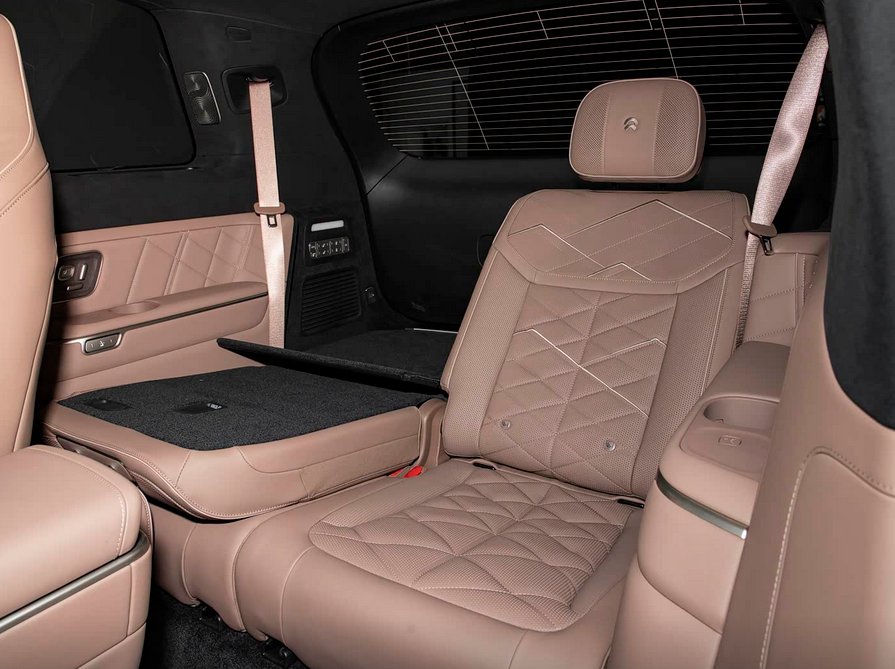
The NIO ES9's intelligent driving hardware is based on the AQUILA ultra-sensing system and the self-developed Shenji NX9031 chip, using an end-to-end large model to directly control steering and pedals. The system does not rely on high-precision maps, instead relying on fused perception from vision and lidar, combined with a self-developed large model for decision-making.
In terms of power, the NIO ES9 is equipped with front and rear dual motors, with the front motor producing a maximum power of 180 kW and the rear motor 340 kW, for a combined system power of 520 kW and peak torque of 700 N·m, accelerating from 0-100 km/h in 4.3 seconds. The vehicle is based on a 900V high-voltage architecture, supports 600 kW ultra-fast charging, is equipped with a 102 kWh battery pack, and offers CLTC all-electric range in two versions: 600 km and 620 km. It also retains battery swapping functionality, completing an automatic battery swap in about 3 minutes. In terms of chassis, the vehicle is equipped with steer-by-wire and rear-wheel steering systems, supports intelligent all-wheel drive and multiple intelligent terrain modes, and has a maximum wading depth of 810 mm.
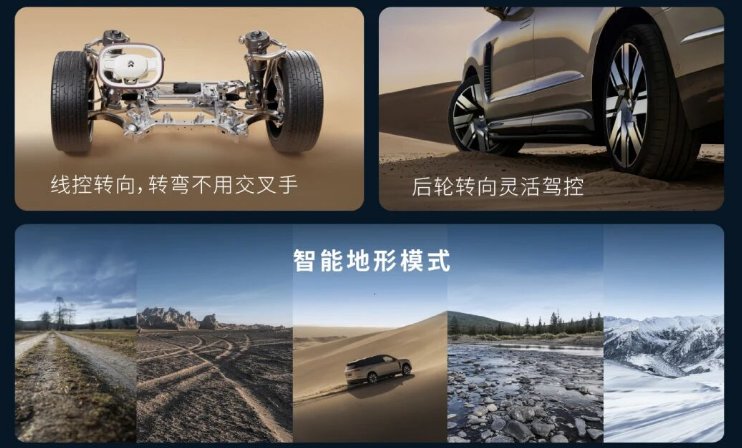
Xiao Tang's View: On the NIO ES9, one can see the brand's approach to handling "bigness" and "technology." In terms of space, it has indeed achieved a level beyond conventional SUVs, and the demonstration of Yao Ming sitting inside the car is also very convincing. The chassis is a rather interesting part, with all three of steer-by-wire, rear-wheel steering, and fully active suspension equipped, achieving a turning radius of 5.4 meters. For a large SUV with a vehicle length of 5.36 meters to have such flexibility, it is indeed much better than expected when making U-turns in daily driving or navigating narrow roads. The ES9 adopts a 900V architecture, paired with a 102-degree battery, supports 600kW ultra-fast charging, and can also swap batteries, which is indeed much more relaxed than cars that rely solely on charging.