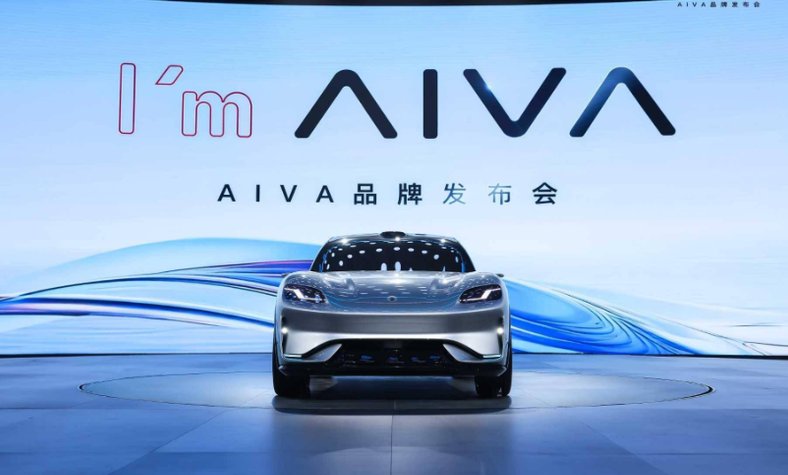
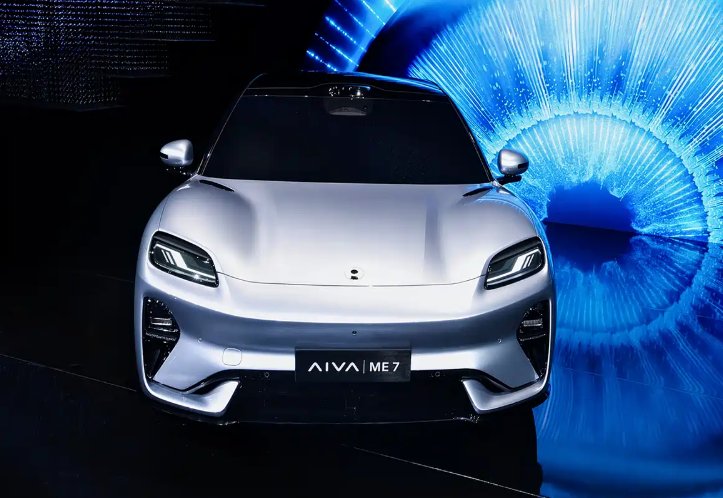
Brothers, no joke, I had to say this car's name three times before it rolled off the tongue—Seres AIVA ME7.
Honestly, just looking at the name, I thought here comes another letter-arrangement contestant.
But this time let's not talk about the name—let's talk about something more critical: whose child is this car, really?
Seres has its own AITO, backed by Huawei Qiankun, selling like hotcakes, with a 1.2 million unit base sitting right there.
Now they've launched another brand, AIVA, ditching Huawei for autonomous driving in favor of Momenta, and sourcing the cockpit from Volcano Engine's Doubao large model.
Now this is interesting.
In plain terms, Seres wants to test whether it can walk without Huawei as its crutch.
This is my personal judgment—things could change down the road, so I won't speak in absolutes.
But use those clever heads of yours: can a company really feel no anxiety about handing its most profitable brand over to a partner to define?
No matter how hot AITO gets, its lifeline is in someone else's hands. Launching another brand with a different supplier set—that's called not putting all your eggs in one basket.
The logic checks out.
The problem is, everyone in the industry knows Huawei's value was never just technology—it's channels, reputation, and that golden signboard.
Take those away, and what's left has to stand on the product itself.
Let's talk about the car itself first—credit where credit is due.
Length/width/height: 4999/1999/1626mm, wheelbase 3050mm.
What does that size mean? Nearly five meters of body, over three meters of wheelbase—that's a big boy among coupe SUVs.
Rear legroom shouldn't be too stingy, but the roof is a fastback design, so headroom will need a real sit-in to judge—officials haven't released details yet.
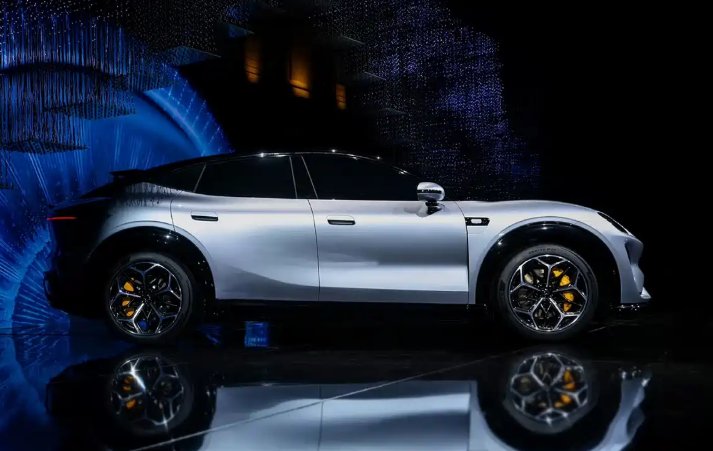
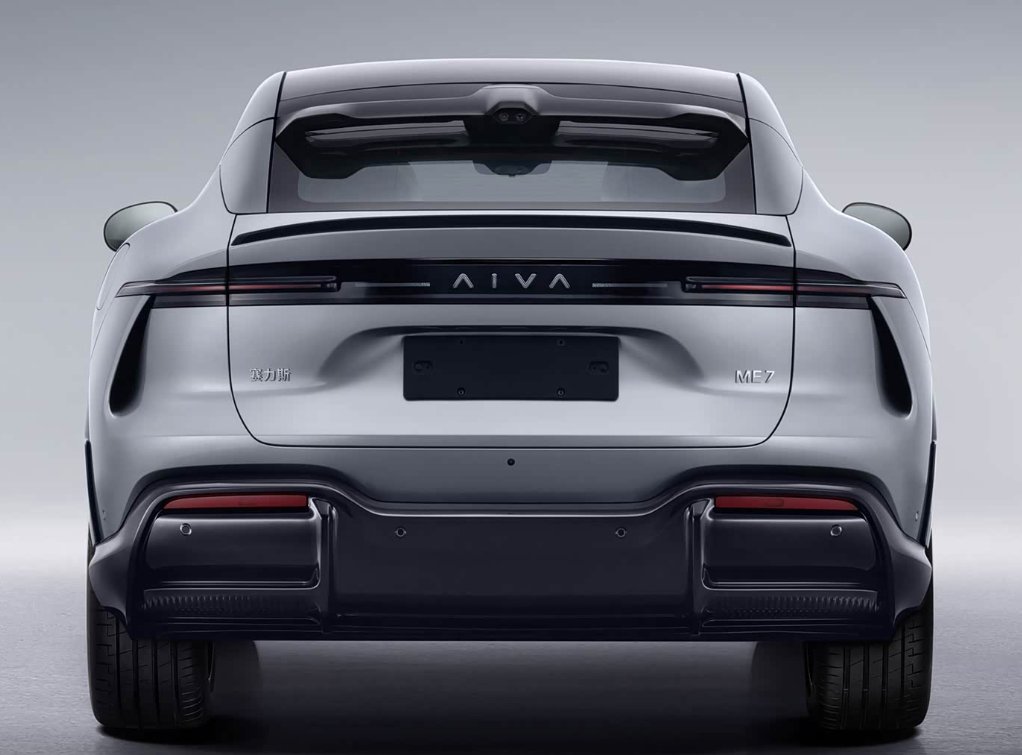
As for exterior looks, I personally am quite into it.
Front hood air channels, upswept beltline, wide-body rear, plus a large spoiler and ducktail—sportiness maxed out.
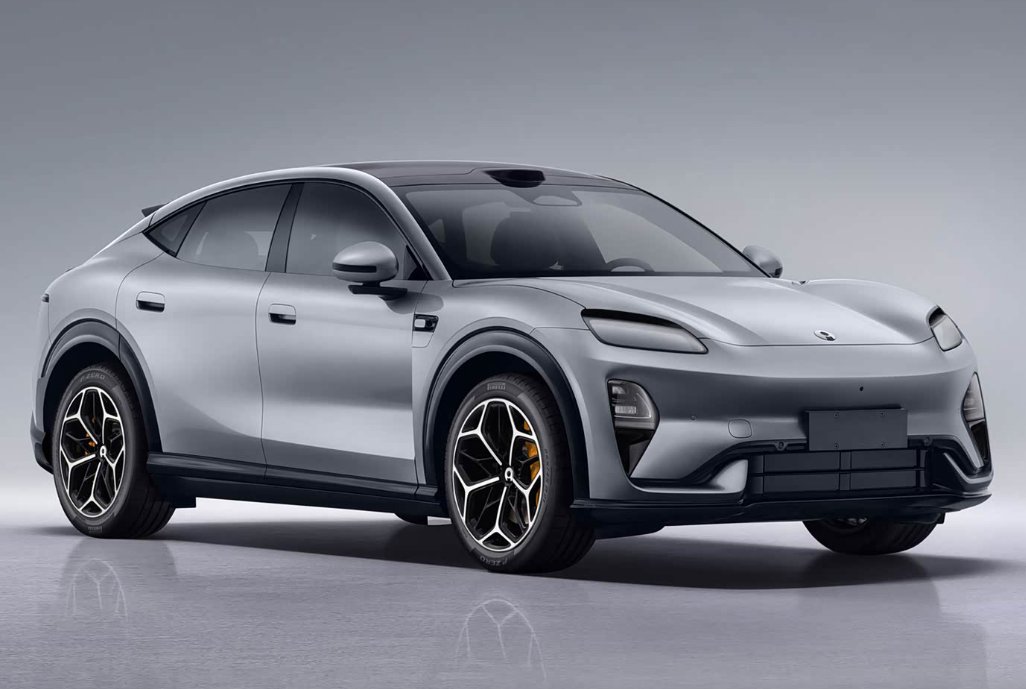
There's also a LiDAR on top, with 20/21-inch wheels to choose from.
But I have to say something blunt and realistic.
In the coupe SUV category, good looks are the ticket in—not the deciding factor.
How many cars look drop-dead gorgeous at the launch event, only for people to discover the rear seats feel like a slide and the trunk opening is like a mailbox once they hit the road?
Now on power.
Single-motor max output 270kW; dual-motor version 150kW front, 270kW rear, ternary lithium battery.
Look closely—150kW front motor, 270kW rear motor. This is a classic rear-drive-primary, front-drive-assisted layout. Driving feel will likely lean sporty rather than the brutal "pin you to the seat" style.
My personal read: the manufacturer wants "fast enough without guzzling electricity."
However, battery capacity, range, and 0-100 acceleration—not a single word mentioned so far.
Officials are still being cagey here—don't go believing every rumor you hear.
Range is what EV owners truly care about every single day. If they won't disclose it, I won't shill for it.
Speaking of competitors, this price segment (above 200K) is buzzing.
Xiaomi YU7. This is the most direct mortal enemy—also a crossover player focused on tech and value, with brand buzz and delivery capability to back it up.
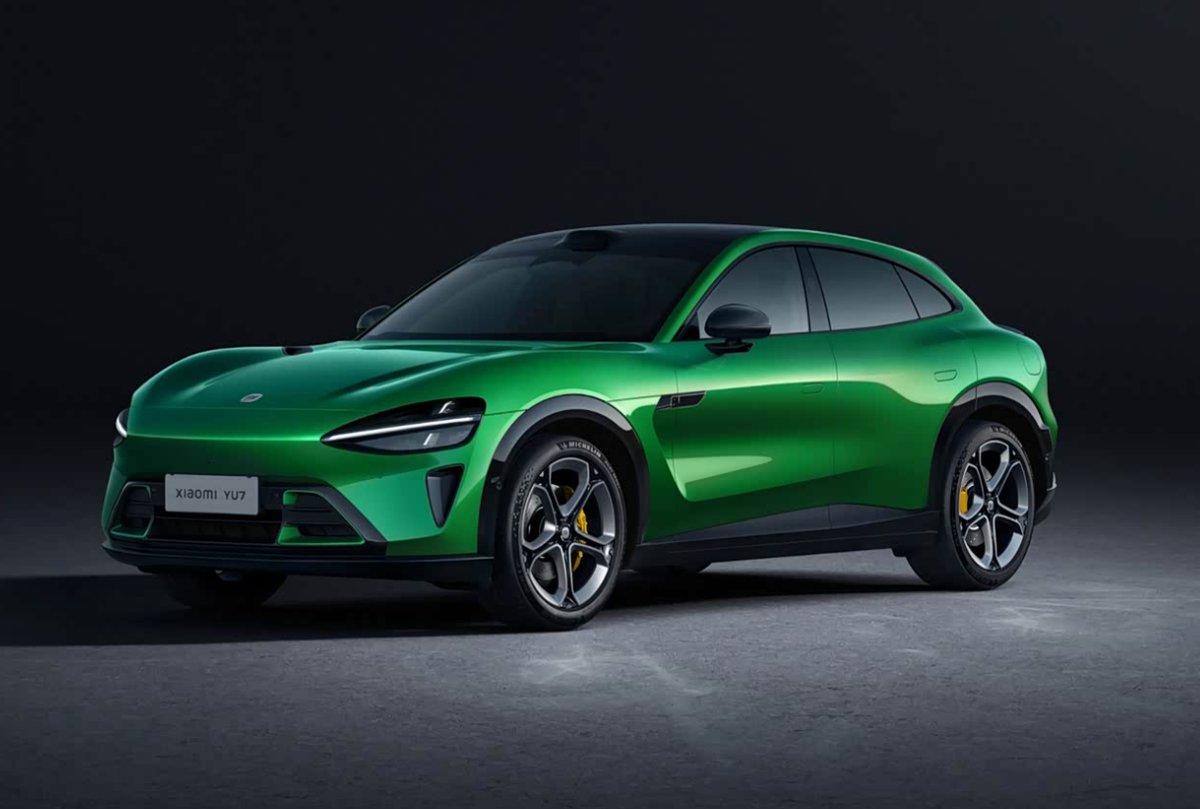
For AIVA to go head-to-head, it needs to offer a compelling reason.
Then there are siblings like Luxeed and Stelato.
Right—the most awkward part is your opponent might be right next door.
Stelato got 3,100 firm orders in one hour after launch—what kind of battle record is that?
If AIVA's positioning doesn't differentiate enough, there'll be an internal fight first.
Then Zeekr and XPeng's coupe lineup.
These guys have deep accumulated experience in sportiness and smart driving—they won't make way for a newcomer.
Now AIVA's advantages—I'll give it three:
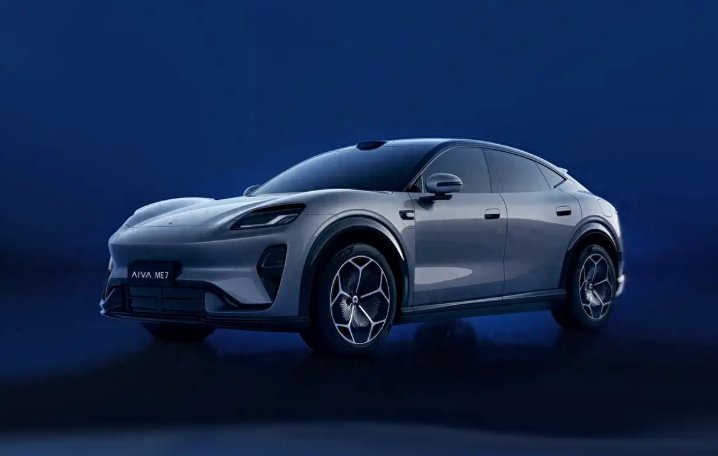
First, size and wheelbase give it an edge—it has presence in its class.
Second, the dual-motor setup gives performance enthusiasts something to dream about.
Third, if LiDAR is standard, it doesn't lose on hardware.
Three shortcomings too:
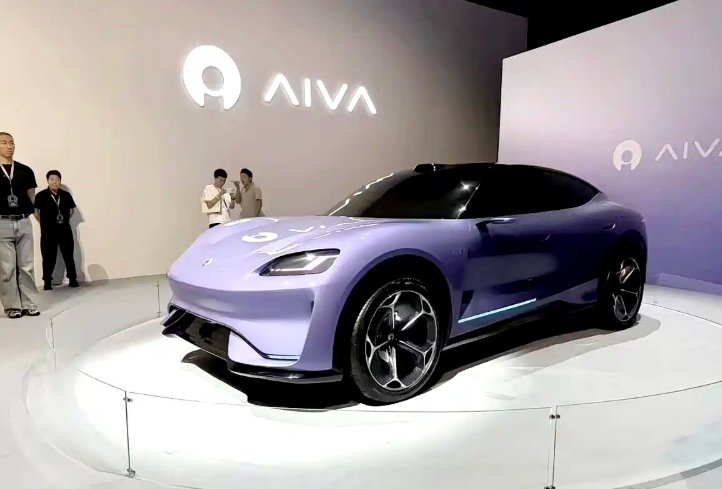
First, brand awareness is zero. Those three letters—AIVA—a passerby would probably think it's an AI software.
Second, both smart driving and cockpit rely on external suppliers pieced together. The biggest fear with patchwork cars is a fragmented experience—cockpit does one thing, smart driving does another, and users feel it the moment they get behind the wheel.
Third, pricing hasn't come out yet—that's the biggest variable.
Finally, two free suggestions for the manufacturer.
First, don't play word games with pricing. In the above-200K market, users have been numbed by all kinds of "starting price" bait. Putting the real out-the-door price upfront is more effective than any marketing.
Second, explain clearly "why not Huawei." Users aren't stupid—if you switch smart driving suppliers, you owe them an explanation.
How is safety redundancy handled? How is OTA cadence guaranteed? If these aren't spelled out, sales staff are just taking the fall for the brand.
At the end of the day, Seres is betting on "we can make it without Huawei."
Can they? Depends on whether users are willing to shell out 200K+ for a unfamiliar name.
What do you brothers think?


