On October 22 local time, Tesla released its report card for the third quarter of 2026. From production and deliveries to the self-driving taxi fleet on the road, the most core signal in the information disclosed this quarter is that vehicle demand has already run ahead of production capacity, while the company is directing substantial resources toward next-stage businesses such as autonomous driving, energy storage, robotics, and in-house chips.
I. Production and sales: deliveries climb another step, order backlog hits a nearly four-year high
In the third quarter, Tesla produced more than 464,000 pure electric vehicles globally, up 2.7% quarter over quarter, and delivered more than 486,000, up 1.3% quarter over quarter. Notably, the volume of undelivered orders on the books has reached its highest point in nearly four years, indicating that end demand has not weakened.
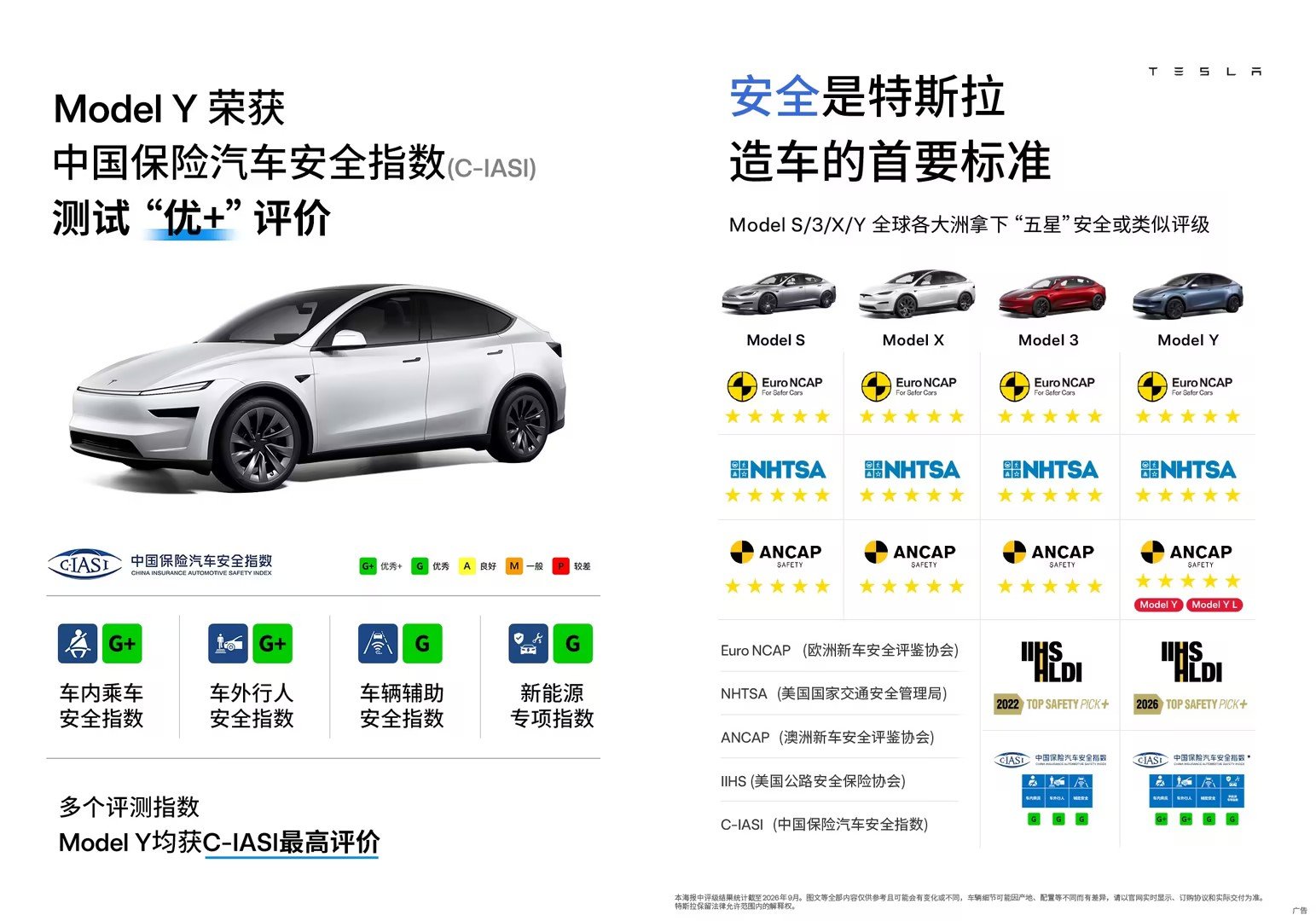
Regional performance was also strong: quarterly deliveries in markets such as Canada, Australia, and Japan all set their own records, and output at the Berlin Gigafactory also hit a new high. According to preliminary statistics, Model Y was not only the best-selling pure electric vehicle in the European market in the third quarter of this year, but also took first place on South Korea's passenger car sales chart.
On the earnings call, Musk described the quarter as "very strong." He judged that vehicle demand is growing rapidly at present and that scale has clearly exceeded factory capacity. The company will continue to expand production lines, with a long-term goal of reaching an annual production level of 5 million vehicles around 2030.
II. Model developments: Model 3 mid-cycle refresh, Semi enters mass production, new Roadster scheduled
There was constant activity on the product side in the third quarter. The on-sale Model 3 completed a full-line update, with the center screen upgraded to 16 inches. At the same time, the current Model 3 and Model Y will add AC external discharge capability, allowing the vehicles to supply power directly to external devices.
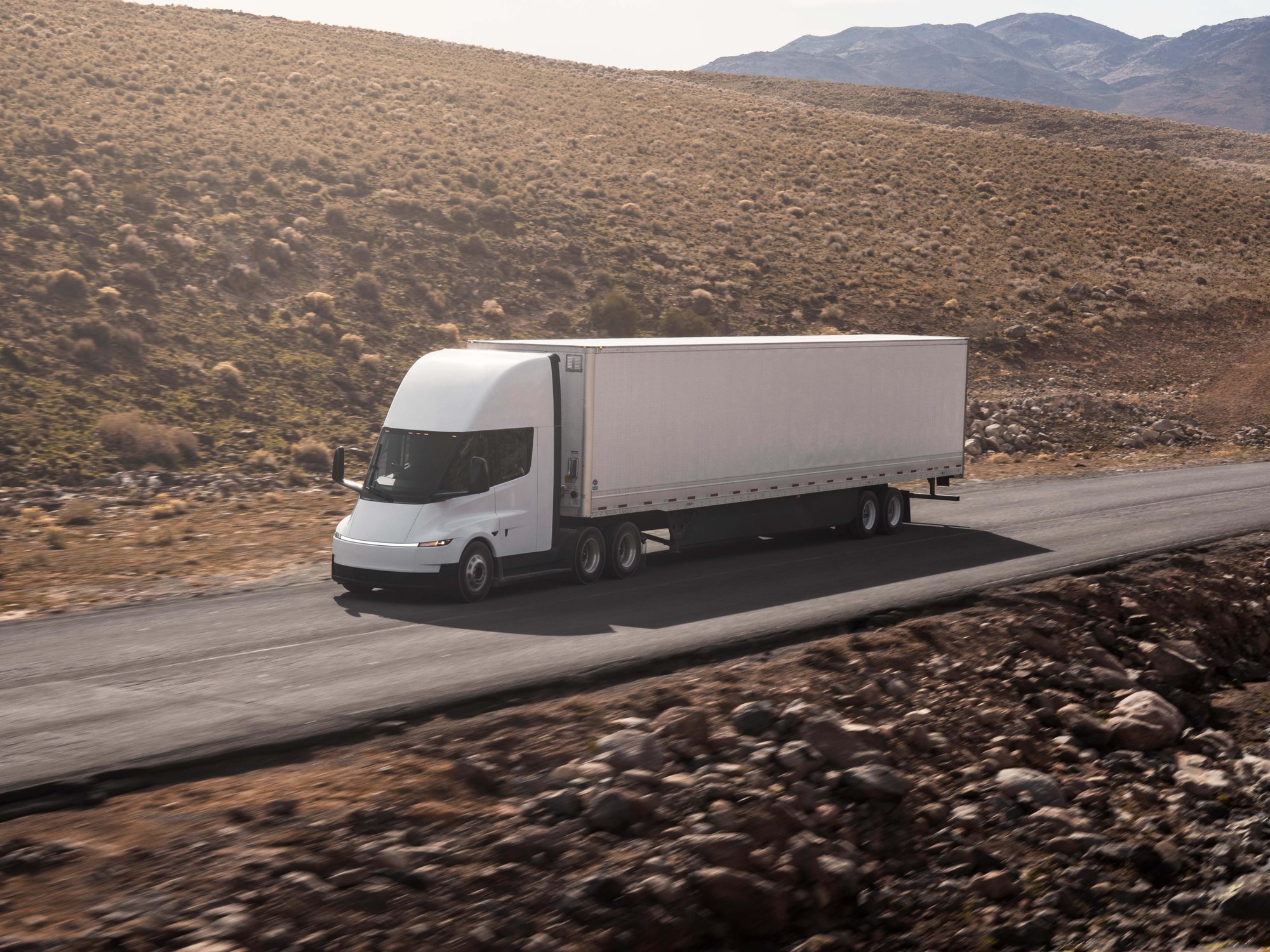
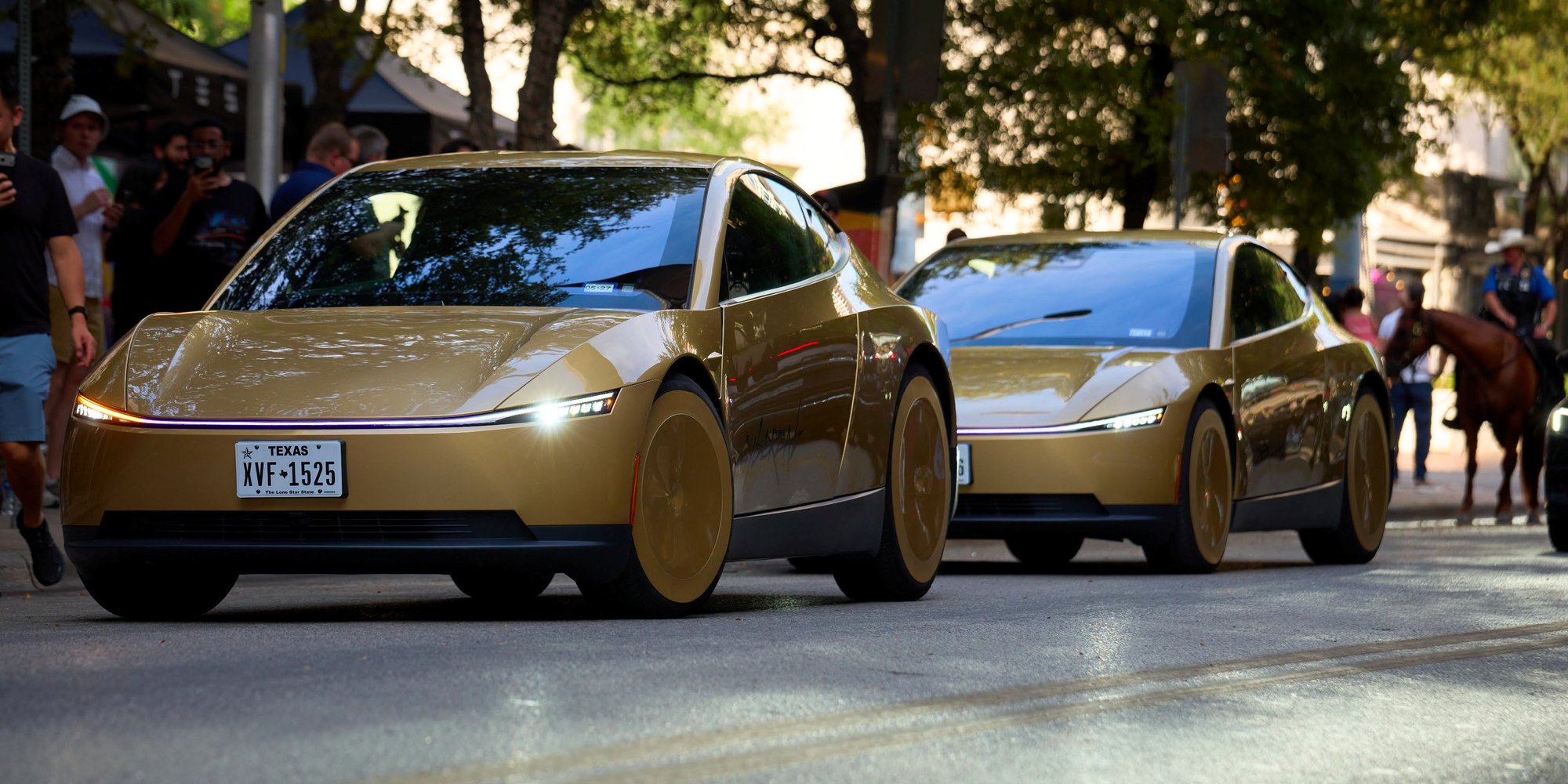
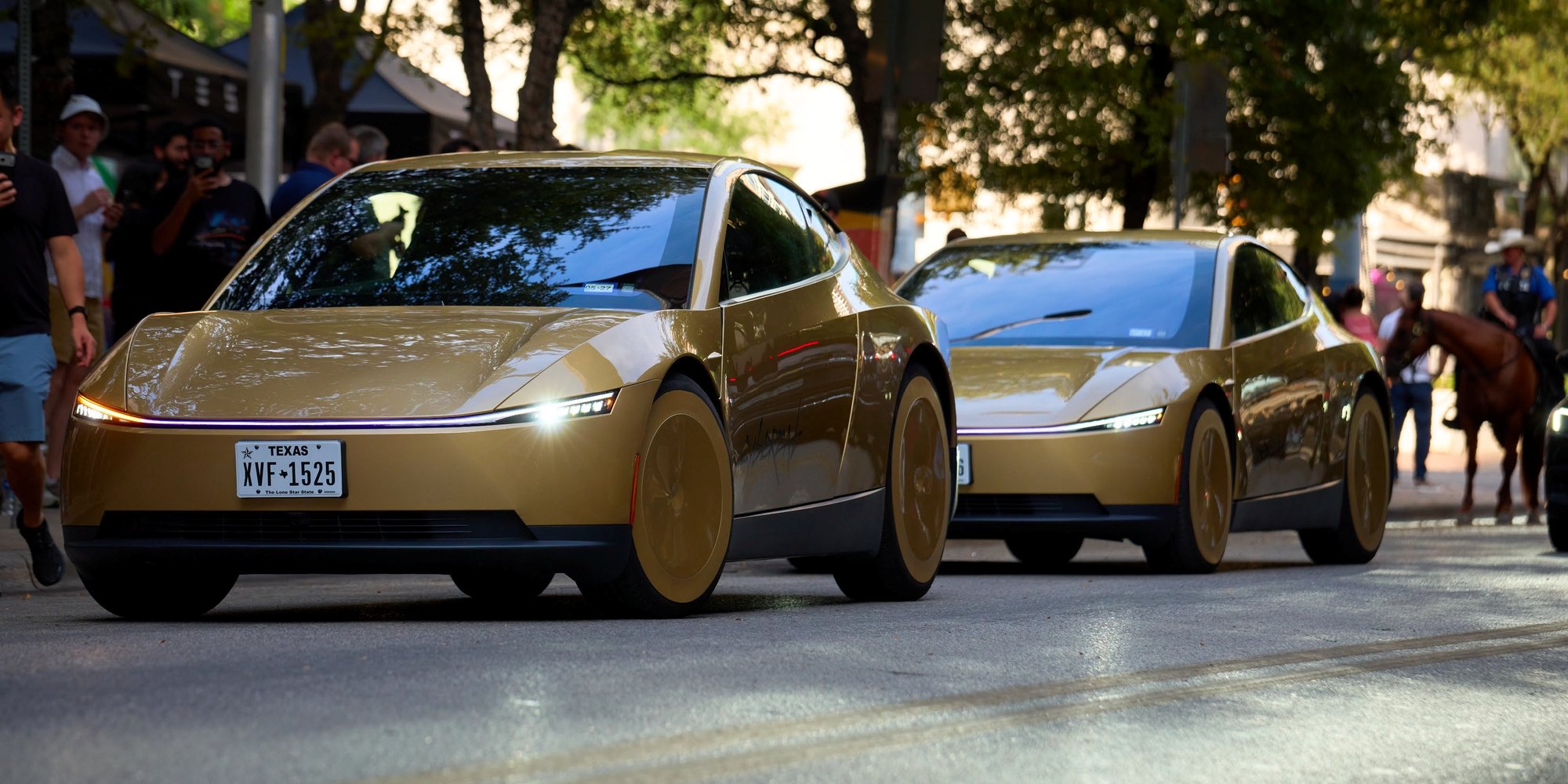
On the commercial vehicle side, the Semi electric heavy truck officially entered mass production at the Nevada factory on September 24. On October 15, the all-new generation Roadster was unveiled in Texas; according to the plan, this vehicle will not begin mass production until 2028.
III. Robotaxi: Austin fleet expands tenfold in one month, mileage increases eightfold
The autonomous driving mobility business was the highlight of this quarter's earnings report. On September 3, the Tesla Cybercab (Cyber Robotaxi), built specifically for driverless scenarios, joined the robotaxi fleet in Austin, Texas, and officially began carrying passengers. Musk revealed that after about one month of operation, the local fleet size had expanded to ten times its initial size.
As of the end of the third quarter, Tesla's driverless fleet had accumulated nearly 2 million miles, or about 3 million kilometers, of travel in an unsupervised state, an eightfold increase from the end of the previous quarter, and it maintained double-digit weekly growth throughout the quarter. Under the plan, the service will launch in Dallas next month, while in China the national tour of the Cyber Robotaxi is still ongoing.
IV. Driver assistance: coverage in 16 markets, subscription users exceed half for the first time
The number of countries where it is available continues to increase. Following the second quarter, Tesla's driver assistance this quarter successively obtained market access in Croatia, Slovenia, the Czech Republic, and Slovakia. So far, this feature has entered a total of 16 markets, including the United States, Canada, Mexico, Puerto Rico, and Australia.
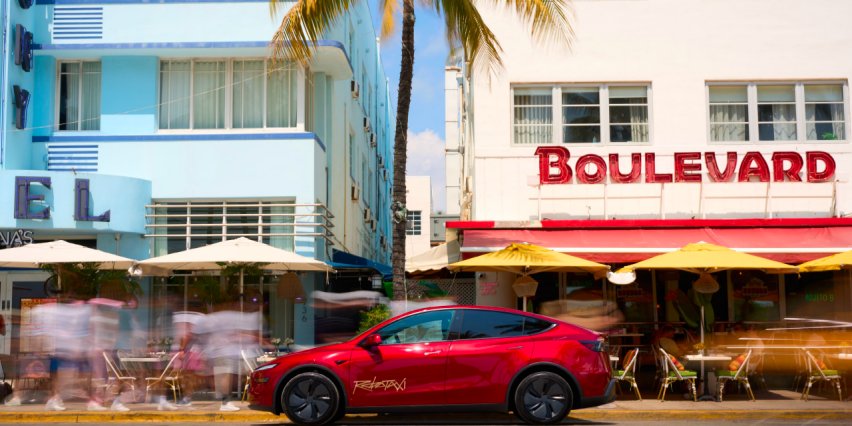
In terms of paid users, about 1.74 million users worldwide subscribe to Tesla's driver assistance, with subscription-based users accounting for 50% for the first time, marking a shift in the paid structure from one-time outright purchase to continuous subscription. The take rate in the North American market even hit a record high, with more than 75% of new vehicles already having driver assistance activated at delivery.
By October 2026, the cumulative mileage of Tesla's global fleet equipped with driver assistance had exceeded 25.4 billion kilometers, equivalent to about 630,000 trips around the Earth's equator. Official vehicle safety reports show that vehicles with driver assistance enabled have a major accident probability of only one-seventh of the U.S. road average.
V. Energy storage: second-highest installed capacity in history, Megapack basically sold out for 2027
The energy storage segment continued its strong performance. In the third quarter, installed capacity of energy storage products reached 13.7 gigawatt-hours, up about 9.6% year over year, the second-highest quarterly result in history. Demand is even hotter: capacity for 2027 of the Megapack, the extra-large energy storage system for large industrial and commercial and grid-side applications, is currently basically fully booked.
VI. In-house chips: R&D fab to be commissioned in the first half of next year, Terafab targets 2028
Chip self-reliance is also advancing. The R&D wafer fab that broke ground in April this year in the north campus of the Texas Gigafactory is progressing faster than expected, with equipment commissioning planned for the first half of 2027. This factory is positioned as a precursor project to Terafab; the scaled Terafab base is located in Grimes County, Texas, with the goal of achieving mass production of usable chips around the third quarter of 2028.
VII. Humanoid robots: Fremont production line starts operation, AI5 chip swap next year
The robotics business has likewise entered a new stage. Tesla's humanoid robot has begun production on the large-scale production line at the Fremont factory. This is the first batch of models to reach mass-production delivery quality, meaning that existing manufacturing processes already meet the conditions for selling products externally.
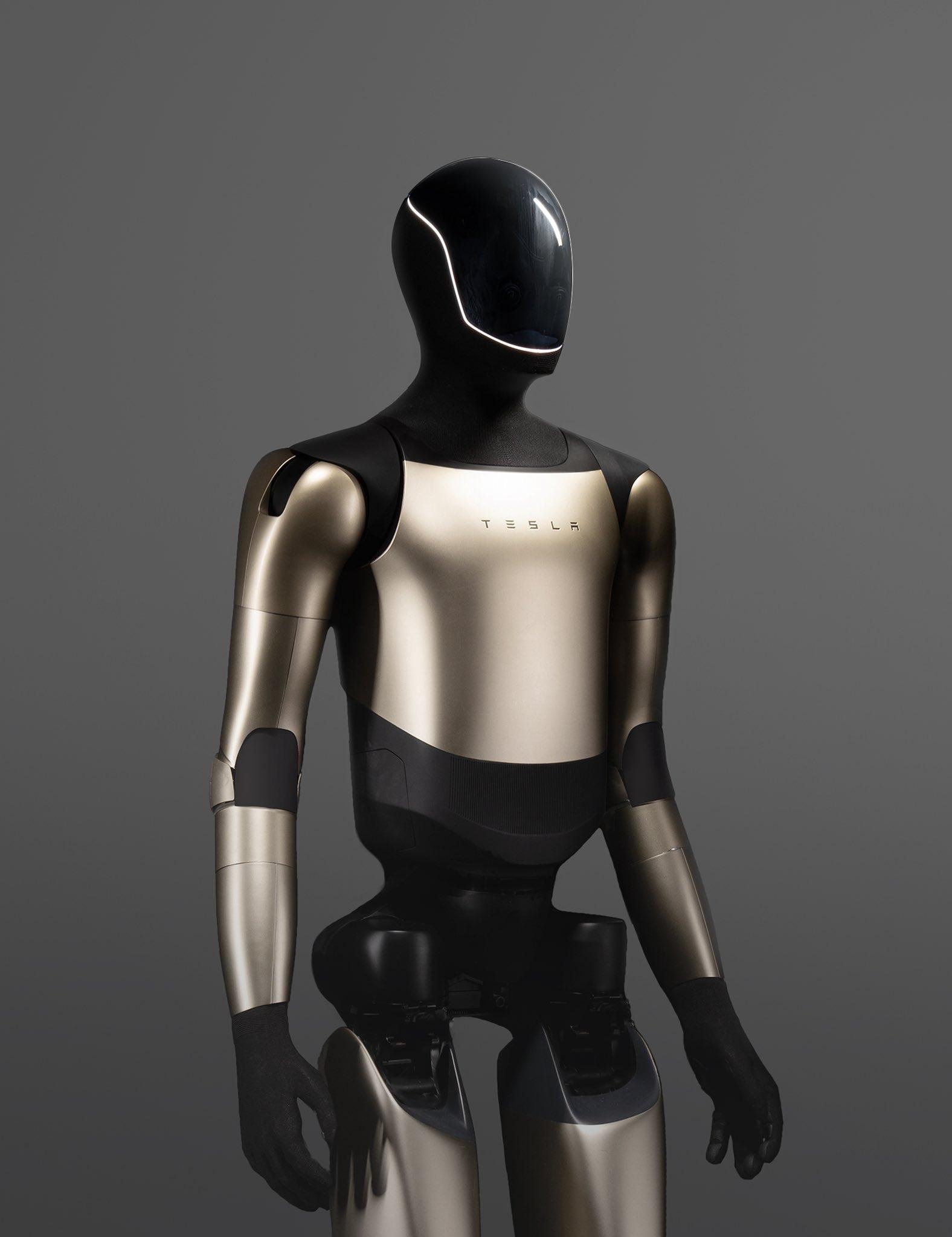
According to the roadmap, the humanoid robot will begin switching to the AI 5 chip starting in April 2027, with computing power improved by an order of magnitude compared with the current AI 4 chip, providing the hardware foundation for subsequent intelligent upgrades. Musk said that around the end of 2027, Tesla will begin delivering robots to customers outside the company, with early application scenarios concentrated in the industrial sector.
VIII. Capital expenditure: large-scale investment for the next growth era
Company CFO Vaibhav Taneja said at the meeting that Tesla is currently in a large-scale investment cycle laying the groundwork for the future.
In the coming years, the scale of capital expenditure will continue to expand, mainly directed toward: expanding the robotaxi fleet, increasing humanoid robot production capacity, building solar manufacturing capability, purchasing more superintelligence (SI) computing power, and advancing semiconductor wafer fab construction. Taneja believes this layout will bring Tesla into its next growth stage, opening up entirely new demand space while disrupting existing markets.
In addition, the earnings report also confirmed that Tesla's 2026 shareholders meeting will be held on December 4 Beijing time.