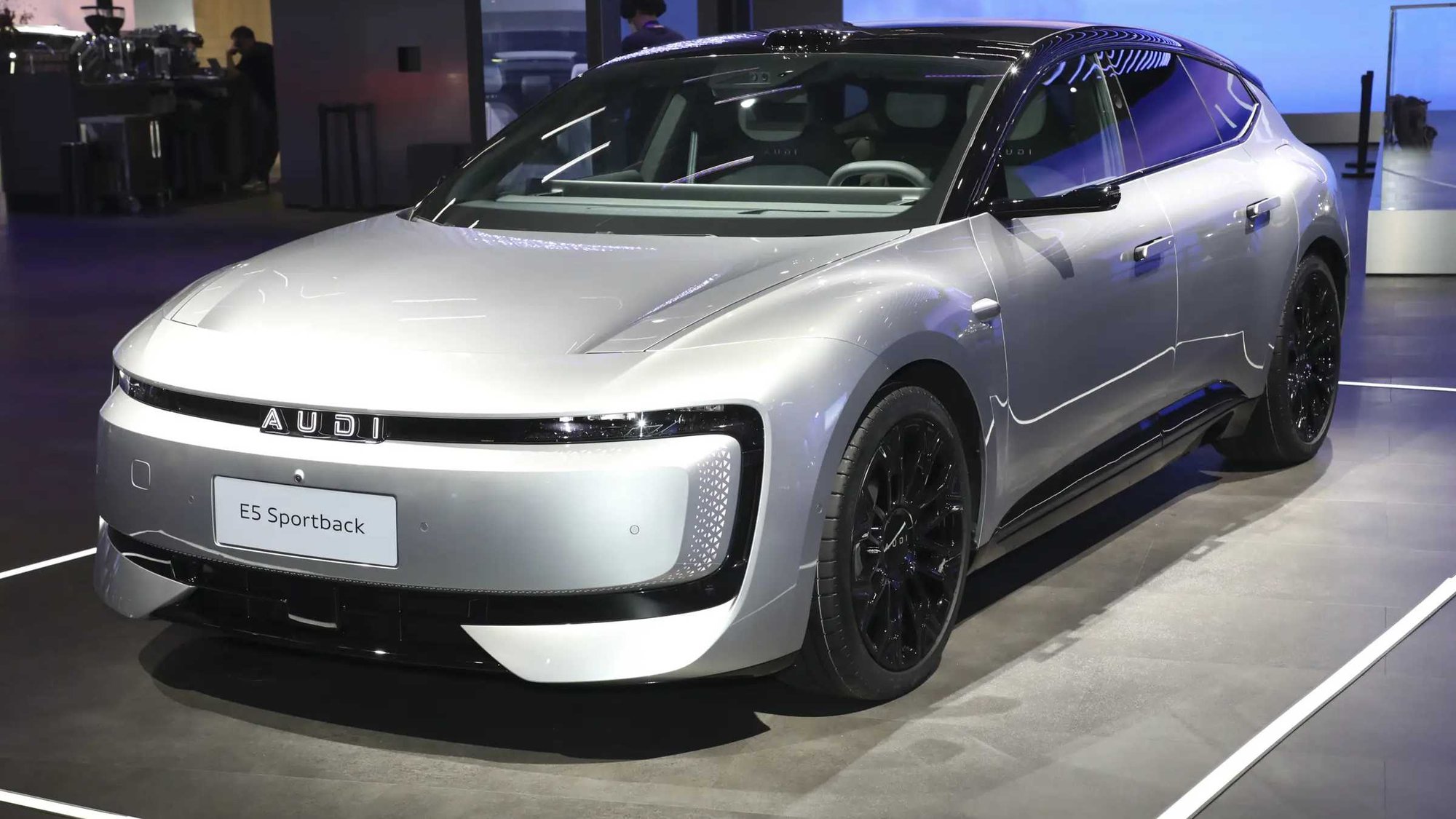
Recently, friends who are planning to buy a pure electric sedan are probably feeling a bit overwhelmed by all the choices. Today, let's not talk about those fancy concepts, but focus on the real price war. The Audi that everyone remembers as always sitting securely on the fishing platform has recently made a big move. Its new pure electric car, the Audi E5 Sportback, launched a limited-time benefits package, and after all the calculations, the entry-level version starts at only 205,900 yuan.
What does this price mean? Let's compare it with the "veteran" of this segment, the Tesla Model 3. At present, the Model 3 rear-wheel-drive version, including some insurance subsidies, still starts at around 227,500 yuan. All of a sudden, Audi is nearly 20,000 yuan cheaper than Tesla, which is indeed a scene we haven't seen in quite a while. In the past, we always said that "BBA's electric cars have no cost-effectiveness," but this time Audi seems to really want to change that statement. Today, let's set aside brand filters and objectively talk about this Audi E5 Sportback that has dropped to just over 200,000 yuan. How good is it really, and is it worth giving up the Model 3 to choose it?
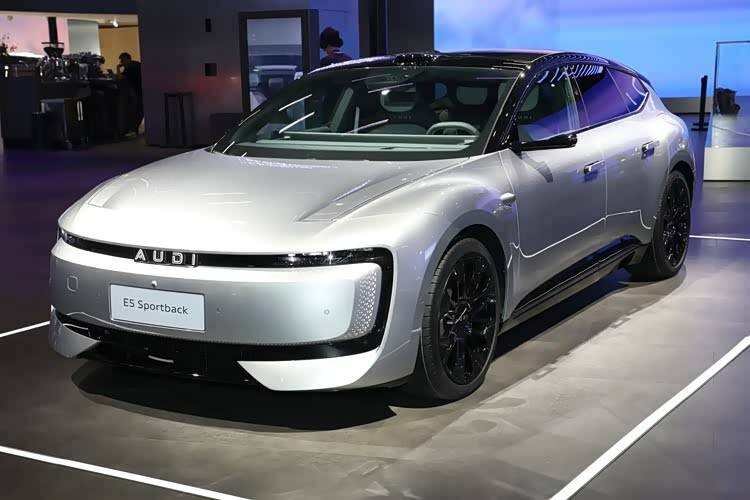
Let's first sort out this price clearly. Audi's move this time is not a direct 30% or 20% discount on the MSRP, but rather a "limited-time benefits package." From February 25 to March 31, if you place an order for this car, you can choose between two options. One is a real cash subsidy, including a 10,000 yuan purchase tax subsidy, a 10,000 yuan cash discount, and another 10,000 yuan trade-in or additional purchase subsidy, totaling 30,000 yuan, bringing the entry-level version directly from 235,900 yuan down to 205,900 yuan. The other option, if you don't want the trade-in subsidy, is a financing plan, also with a 10,000 yuan purchase tax subsidy, and then either 5 years with 0 interest or 7 years with low interest (for specific offer details, please consult your local dealer). For young people with tighter cash flow, this really lowers the threshold for getting into the car. So this is not one of those tricks where "after all kinds of complicated calculations, you still don't save much money." It is a relatively direct concession.
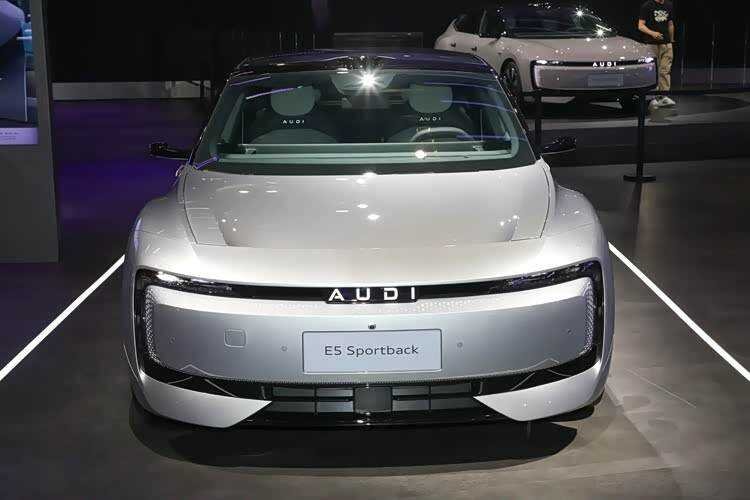
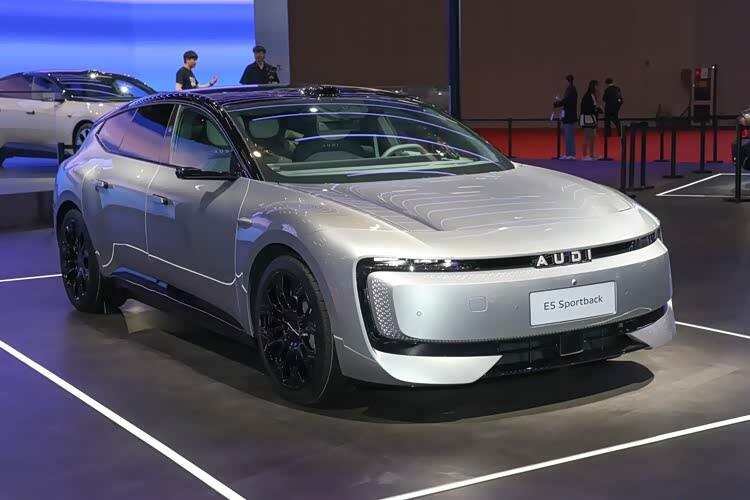
So here comes the question: is an Audi starting at 205,900 yuan still that same Audi? Will the configuration be a "beggar's version"? We need to take a careful look. Although this E5 Sportback wears the letter badge (AUDI) instead of the traditional four-ring badge, it still has a German flavor at its core. The key is that its entry-level configuration is not as bare as imagined. What is standard across the entire lineup? An 800V high-voltage fast charging system, one lidar, and a Qualcomm 8295 chip. These are things that on the Model 3 are either absent or require extra money as options, but on the E5 Sportback they come as standard.
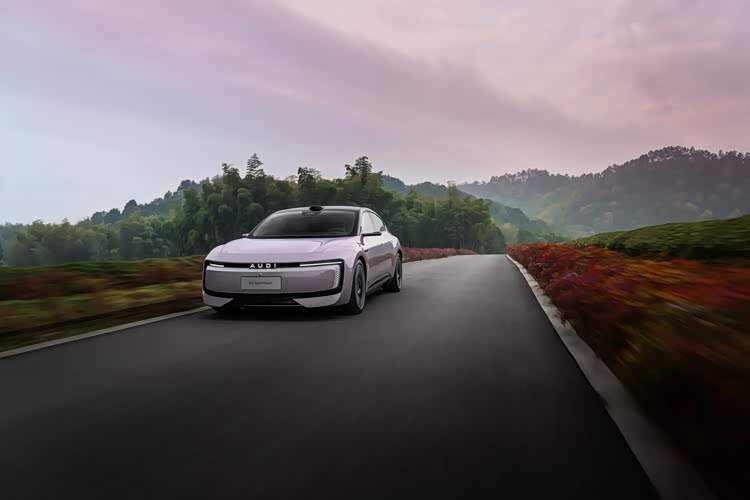
When we choose an electric car, the two things we worry about most are none other than range and charging. On these two points, the Audi E5 Sportback and the Model 3 take two different technical routes. The Model 3's energy consumption control is indeed excellent. The rear-wheel-drive version can achieve a CLTC range of 634 kilometers. This is the result of Tesla's years of accumulation, relying on low wind resistance and efficient motor efficiency. But Audi is playing "hardware suppression" here. It comes standard with an 800V high-voltage platform across the lineup, and especially the long-range version can reach 773 kilometers CLTC. More importantly, there is the charging speed. Under good charging pile conditions, the official data is that charging for 10 minutes can add about 380 kilometers of range. What concept is that? It means that when you are driving long distance and enter a service area to use the restroom, stretch your legs, and buy a cup of coffee, the battery already has enough range for you to continue for several hundred kilometers.
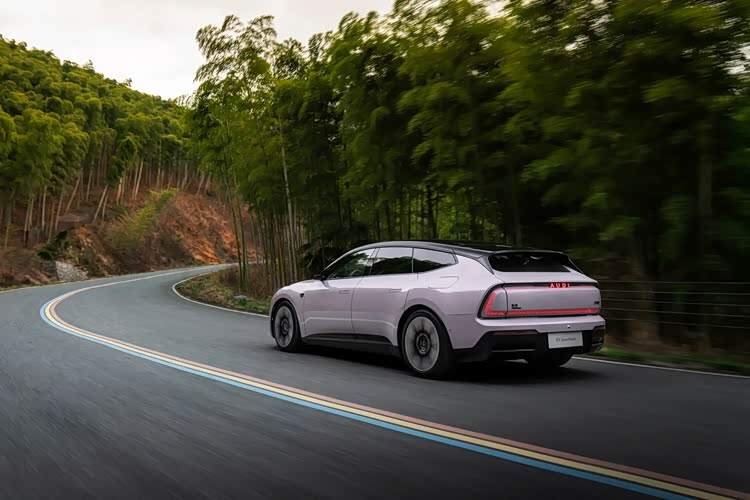
Although the Model 3 also has a long-range version, its mainstream platform is still 400V at present. In terms of charging speed, especially how long peak power can be maintained, there is indeed a gap compared with models on an 800V platform. In addition, Audi also equips it with a 6.6kW external discharge function. For friends who like to go camping or have outdoor cookouts on weekends, this is a very practical feature. It can power an induction cooker or a projector. The Model 3 is currently more conservative in this regard.
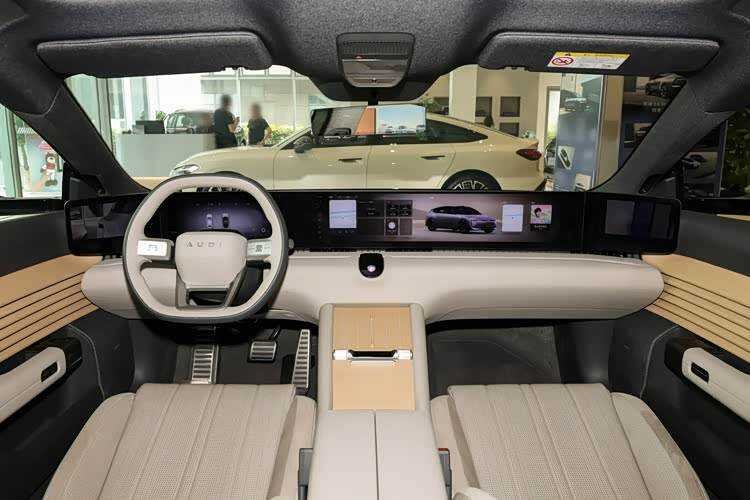
Now let's talk about intelligence. In the past, everyone always felt that traditional automakers' infotainment systems were not easy to use and that their driver assistance was too conservative. But because this Audi E5 Sportback is the result of deep cooperation with a local Chinese company, its progress in this area is quite significant. It is equipped with Momenta's driver assistance solution, and because the hardware pre-installation is in place (1 lidar, multiple cameras and radars), the entire lineup can achieve highway and urban navigation-assisted driving functions, and there is no need for an additional paid subscription. This is indeed quite practical. Think about it: you buy a car starting at just over 200,000 yuan, and you don't need to spend tens of thousands more to activate some "high-level driver assistance capability." You can already let the car follow traffic, change lanes, and even automatically enter and exit ramps on long highway drives. Although we still need to emphasize that this is only driver assistance, your hands cannot leave the steering wheel and your eyes cannot leave the road, this approach of "standard means fully equipped" is indeed friendlier to ordinary consumers than the model of "free basic version, pay more for the good version."
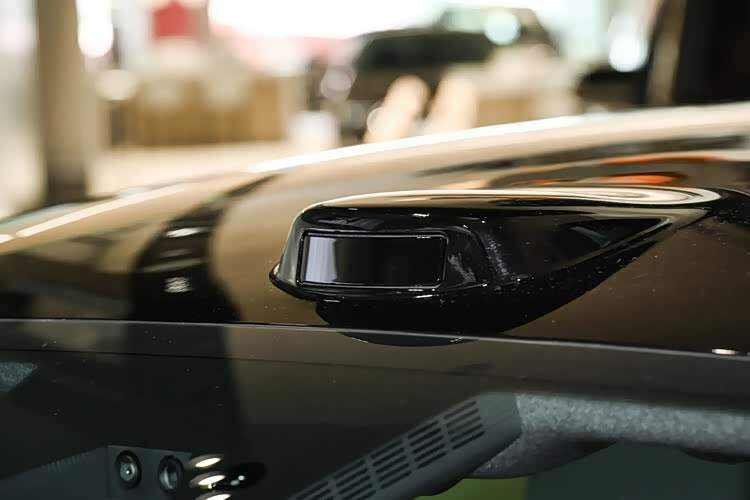
Of course, Tesla's driver assistance system is still very mature in recognition accuracy and logic. This is an advantage it has accumulated over the long term. But if you don't want to pay those tens of thousands of yuan for FSD, then Audi's standard high-level driver assistance may offer a more comprehensive experience in daily use.
Space and practicality are also unavoidable topics for family buyers. The Audi E5 Sportback is positioned as a "shooting brake coupe," which, plainly put, means it is something of a combination of a wagon and a coupe. Its wheelbase reaches 2950mm, a stretch longer than the Model 3's 2875mm. This gap is directly reflected in rear legroom and headroom. Many fastback sedans tend to make rear passengers hit their heads, but because the E5 Sportback's roofline is handled more like a wagon, rear headroom is relatively generous, making it friendlier for families with taller members.
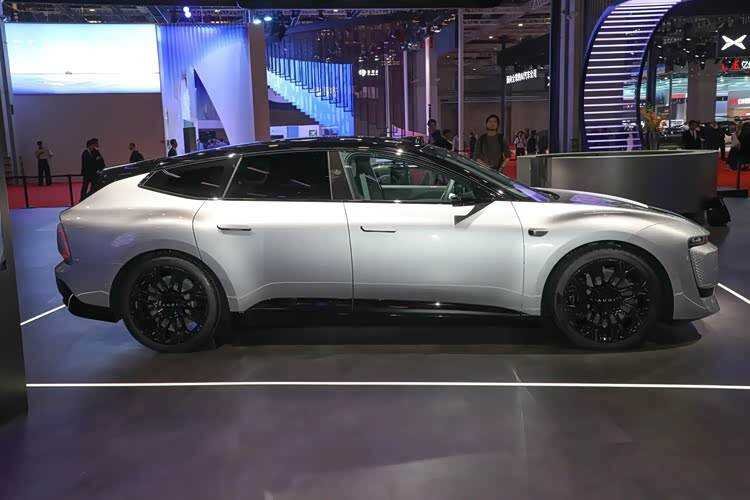
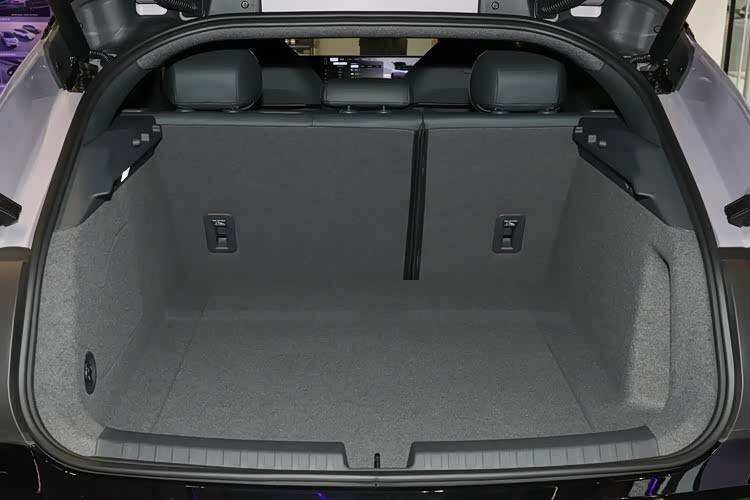
Its trunk opening is very large. Unlike a traditional three-box sedan with a small "throat," it is much easier to fit large items like a baby stroller or cardboard boxes when moving. After folding down the rear seats, it can even be used like a small van. The Model 3's trunk is actually not small either, and there is still a deep well underneath, but limited by its three-box shape, its convenience when loading large and irregular items is indeed not as good as this kind of shooting brake.
Of course, we should also objectively talk about Tesla's advantages and some minor controversies surrounding Audi. The advantage of the Tesla Model 3 lies in its "minimalism" and "maturity." Although its interior is simple, many people just like this style and find it technological. Its infotainment system responds extremely quickly, the UI design is intuitive, and the learning cost is very low. Its brand image and charging network construction (although many automakers are now building their own, Tesla's Supercharger layout is still very broad and stable) are also pluses. Moreover, the Model 3 has a very good handling foundation. Although the suspension is firm, it drives very agilely and gives a feeling of "man and machine as one."
On the Audi E5 Sportback side, the biggest point of controversy may be this "letter badge." Many old Audi fans feel that without the four rings, it always seems to lack a bit of soul. Although Audi officially explains that this is to distinguish electric from fuel models and create a brand-new image, in the traditional mindset of our domestic consumers, isn't spending more than 200,000 yuan on an Audi all about that four-ring badge? But I think this is a matter of opinion. If you yourself don't care much and value the substance more, then this may instead be an opportunity to buy Audi's big-brand quality at a more affordable price.
So finally, let's summarize: how should you choose between these two cars?
If you are the kind of person who pursues a "minimalist tech style," values the brand's first-mover advantage in electric vehicles, mainly commutes in the city, occasionally drives around the surrounding area, fairly recognizes Tesla's driver assistance system, and is used to one-pedal driving, then the Model 3 is still a choice in this class that won't go wrong.
But if you value "overall cost-effectiveness" more and hope to get more configuration and more practical space for the same money (or even less), then the current Audi E5 Sportback indeed shows very strong competitiveness. For 205,900 yuan, what you get is a mid-size shooting brake with German chassis quality, 800V fast charging, standard lidar and high-level driver assistance, and the ability to use external discharge to take the family camping. For friends who want both luxury brand quality and the intelligent configuration of new forces, while not wanting to spend too much, this car is indeed quite attractive.
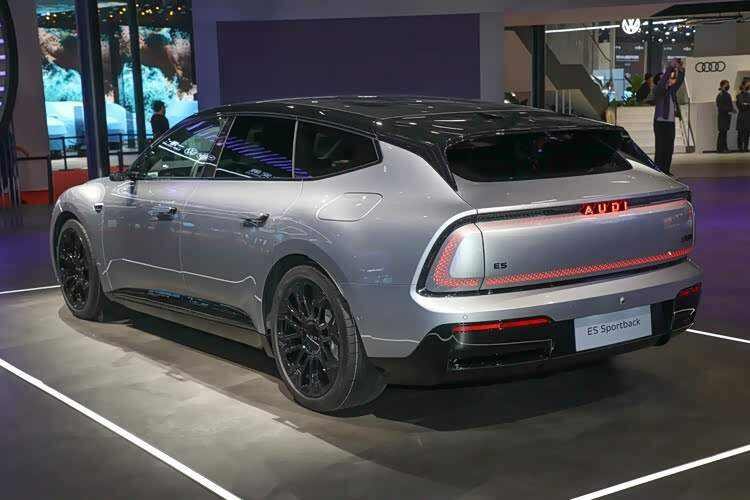
Overall, Audi's move this time to bring the E5 Sportback's price down to the 200,000 yuan level can be said to be a very powerful strike by a traditional luxury brand in the pure electric market. It no longer uses "brand premium" to fool people, but genuinely offers configuration, technology, and price. Although the Tesla Model 3 is still a popular contender in this class, now with the addition of Audi as a strong rival, for us consumers, no matter who we ultimately choose, we should thank this kind of healthy competition for the benefits it brings.
Finally, I suggest that friends who have recent car purchase plans take some time to test drive these two cars separately, use your own body to feel the chassis damping, use your ears to hear the sound insulation, and use your hands to swipe the infotainment system, to see which car is more suitable for your own driving habits. After all, when you spend more than 200,000 yuan, what you buy is not only a tool to get from A to B, but also a lifestyle for the next few years of travel.


