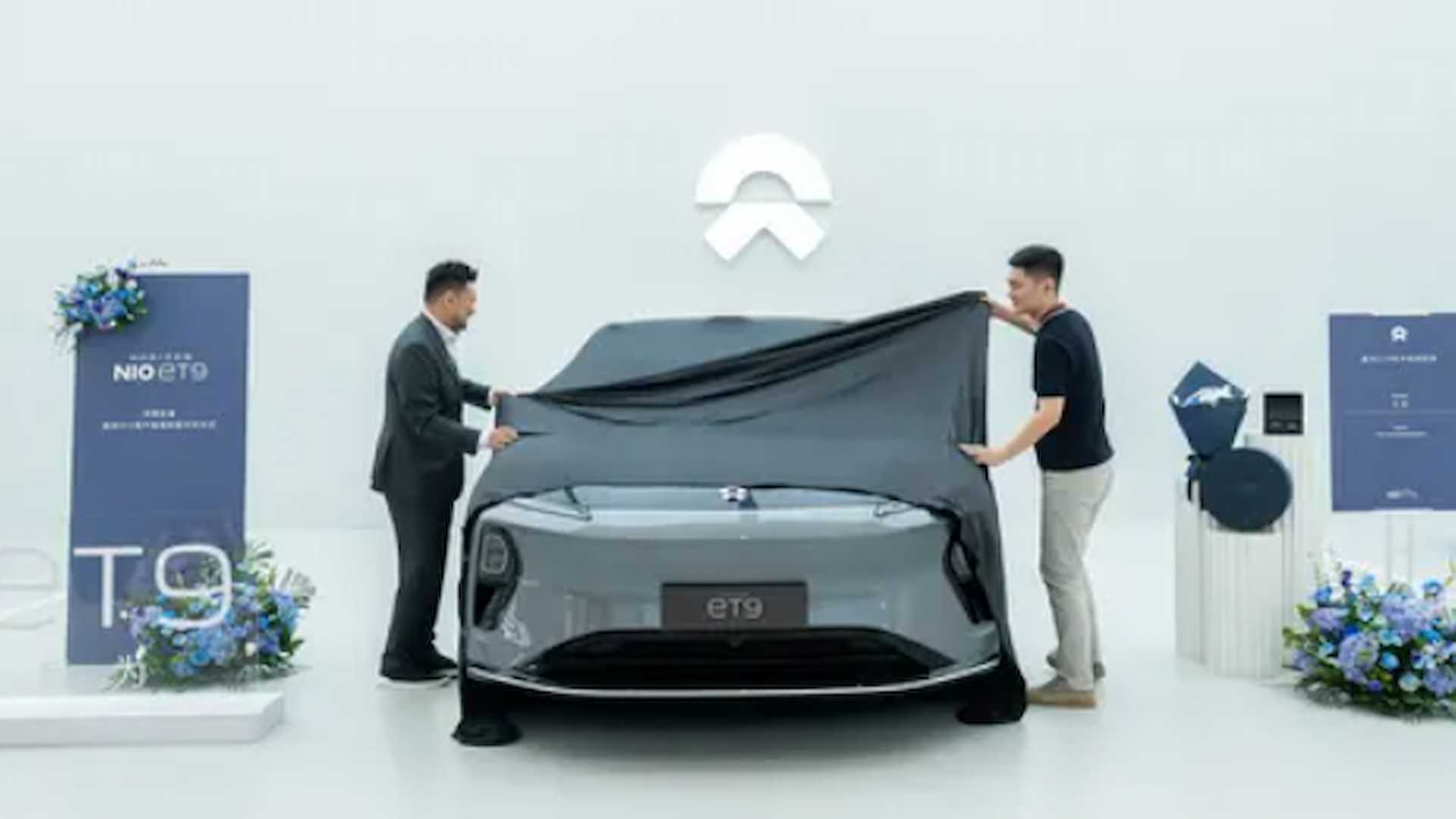
Speaking of the NIO ET9, this car has indeed attracted a lot of attention and discussion. Ever since the day it was unveiled, it has been talked about constantly.
The key thing now is that the top-spec "Horizon Special Edition" has officially been delivered, with an official guide price of 818,000 yuan.
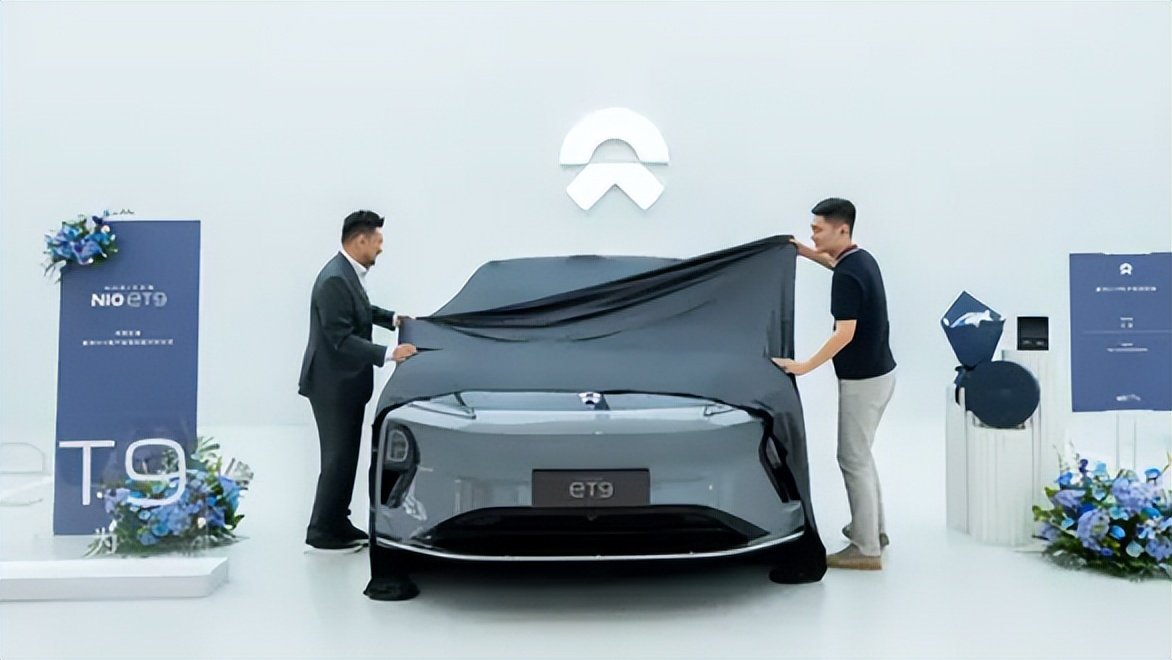
Nianhan says honestly, for a domestic electric car over 800,000 yuan, once this price came out, it really made quite a few potential buyers hesitate...
Looking at the sales data again, 92 units were sold in August. This number, to be honest, is indeed a bit awkward, right?
So at this critical juncture, what exactly does the "Horizon Special Edition" launched add? Can it make bosses willingly spend more money?
According to NIO's official disclosure, this special edition has 113,900 yuan worth of upgrades over the regular version!
So the question is, where is this 110,000-plus mainly spent?
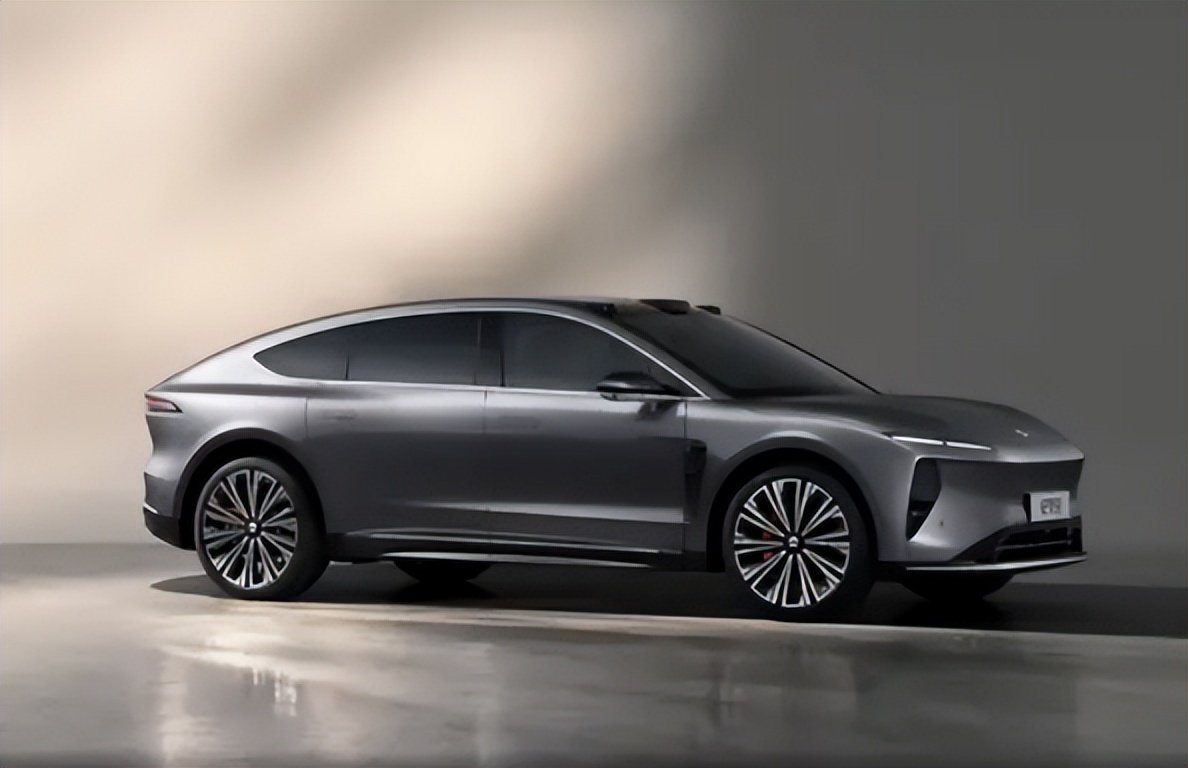
To sum it up in one sentence: a two-tone body plus waistline, 38,000. A set of 23-inch large wheels, 30,000.
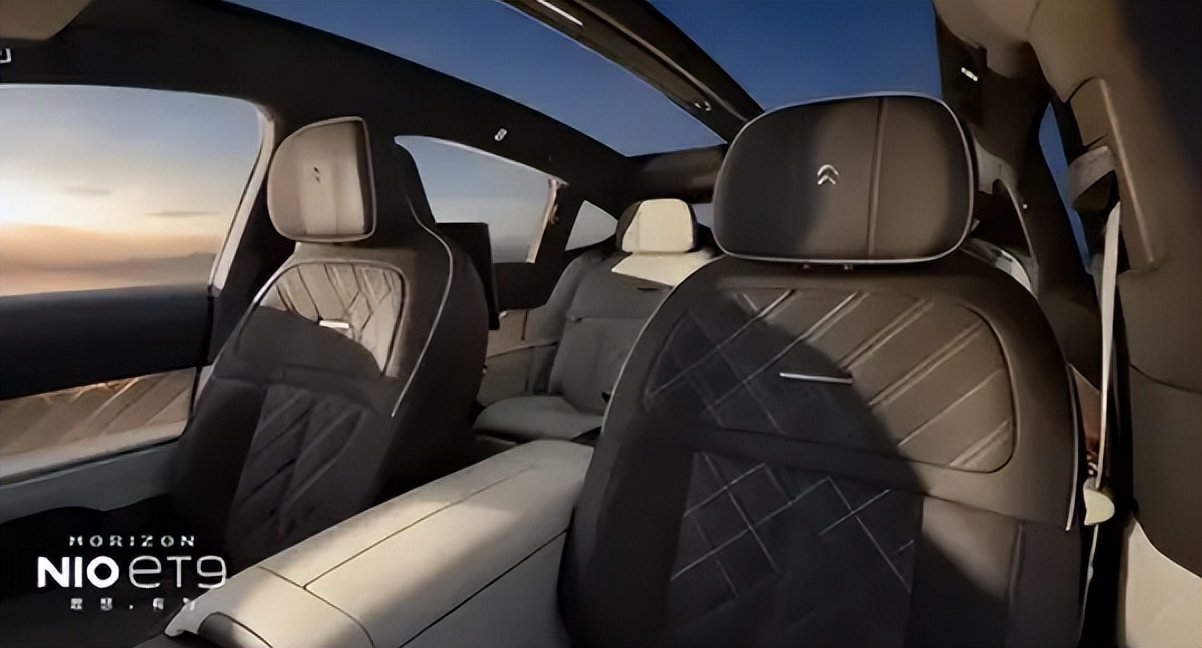
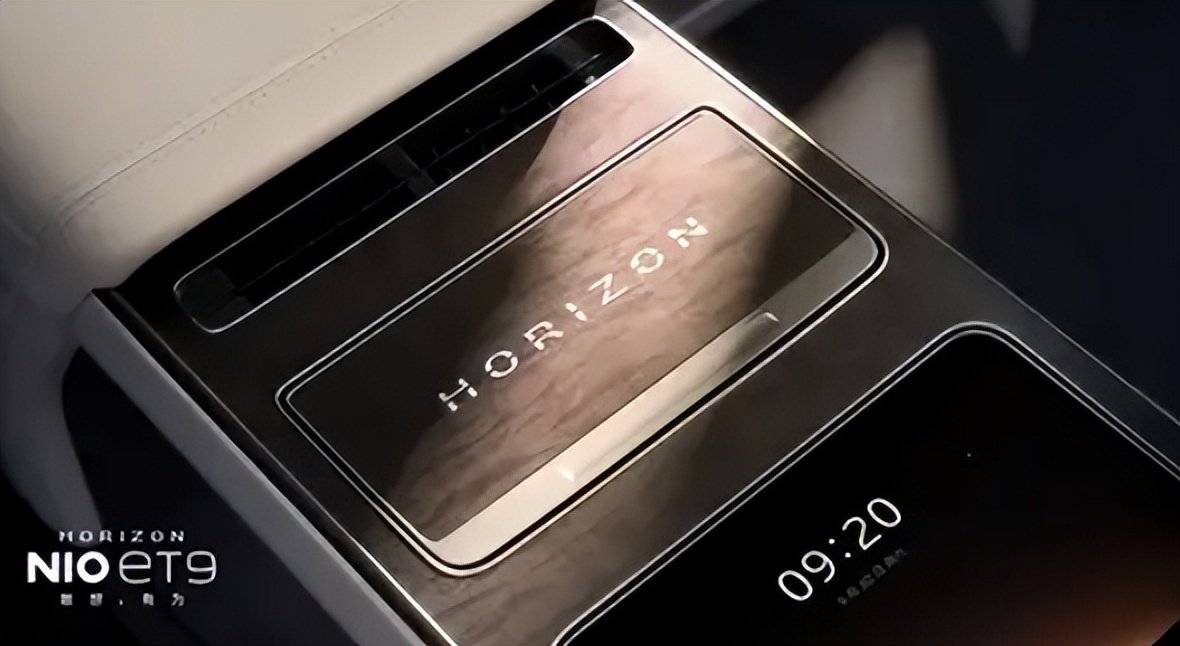
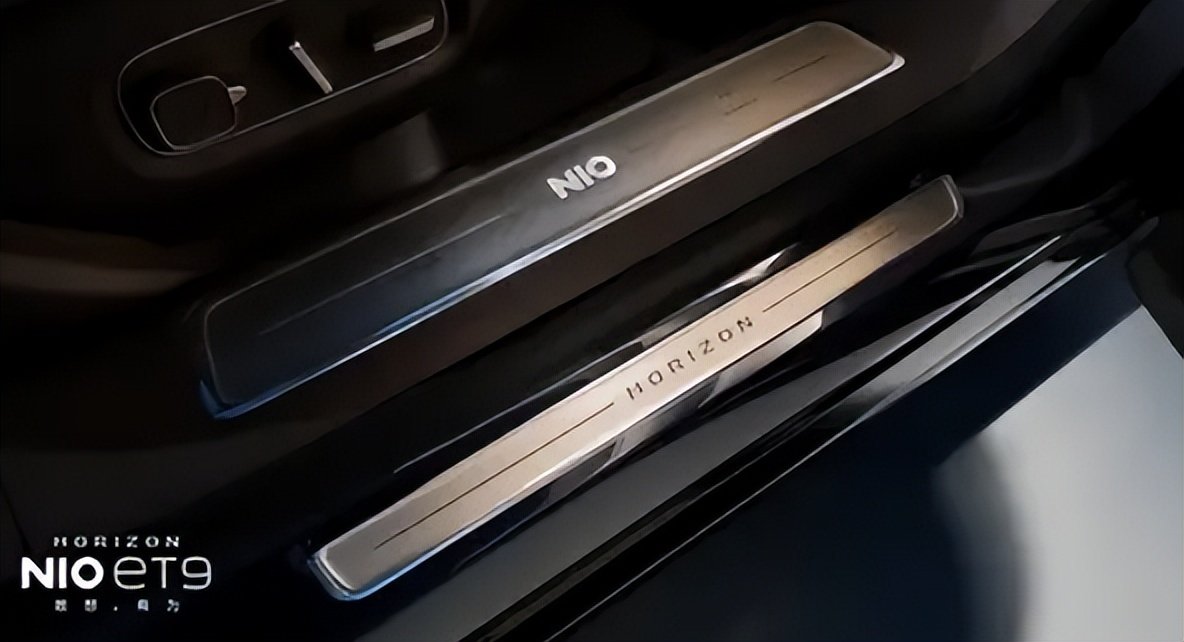
There are also some exclusive leather lumbar supports, wool carpets, two-tone interior, door sill plates, small badges and the like, all added up.
To be honest, the above items can indeed enhance the sense of prestige a bit, but whether they are worth this 110,000-plus depends on how consumers think about it.
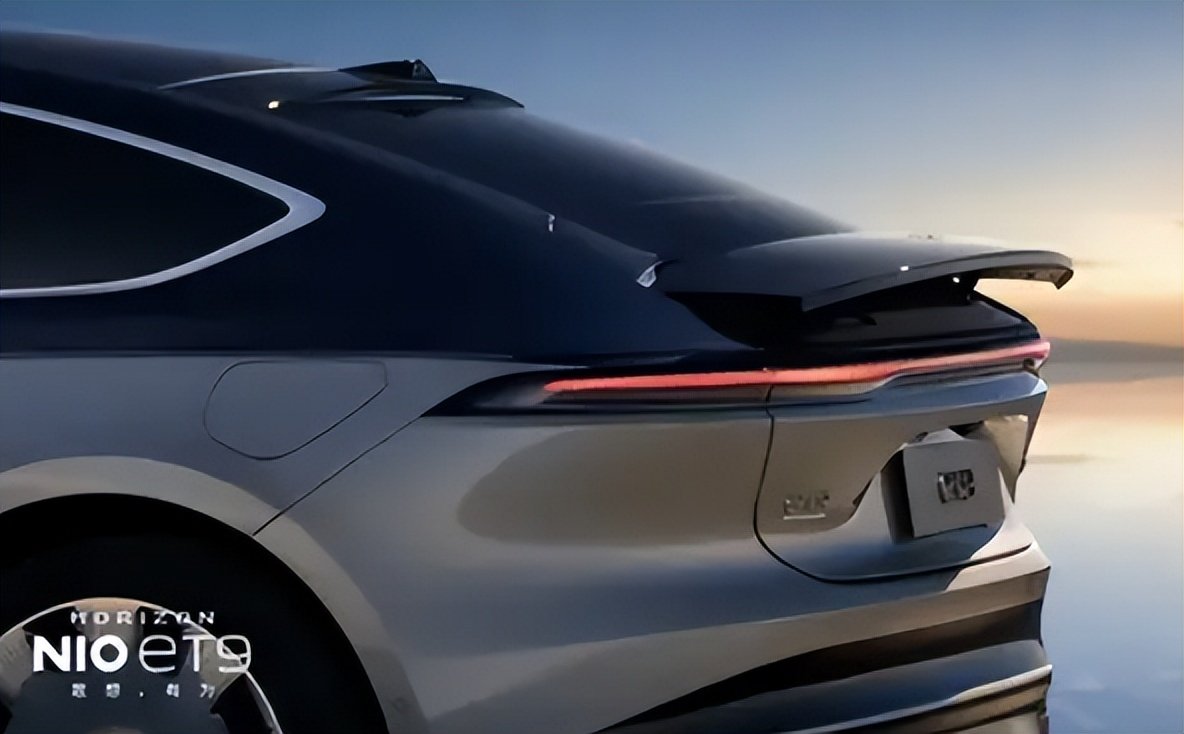
For car owners at this level, this money may just be for the title of "exclusive" and "top-spec."
Setting aside this special edition, let's look back at the ET9 itself.
NIO really dares to think and really dares to act. The full-domain 900V high-voltage architecture was unique at the time.
And that SkyRide fully active suspension—the champagne tower demonstration at the launch event was truly impressive. The body swayed so much, yet the water in the cups barely spilled.
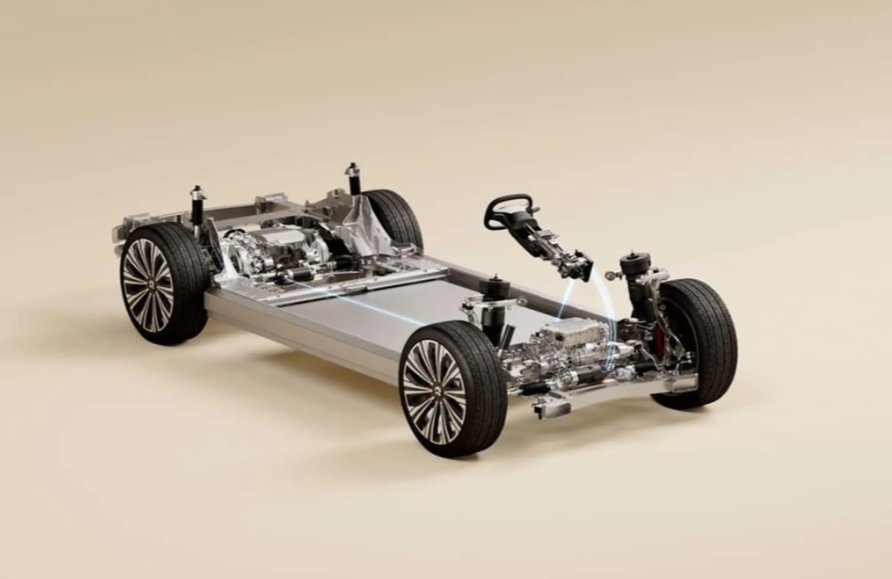
Plus rear-wheel steering, a big 5.3-meter car with a turning diameter of less than 11 meters, which makes U-turns and parking in the city much more convenient.
These technologies are the ET9's confidence and its capital for daring to sell at 800,000.
Sitting inside the car, that feeling becomes even more obvious.
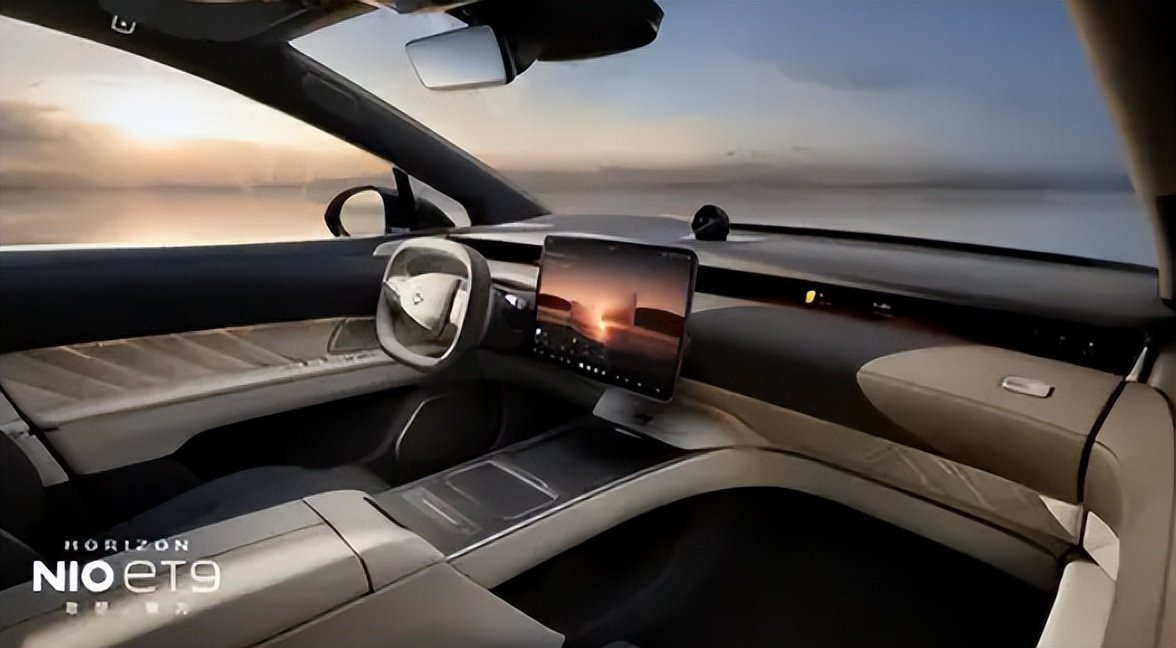
A 2+2 four-seat layout, with the two rear seats capable of reclining up to 45 degrees, featuring heating and massage, and even the armrests are heated.
There are also executive tray tables, a mini fridge, a bunch of screens... NIO wants to take the "land first class" concept to the extreme.
But here's the problem: how many bosses really need to handle official business and hold video conferences in the back seat every day?
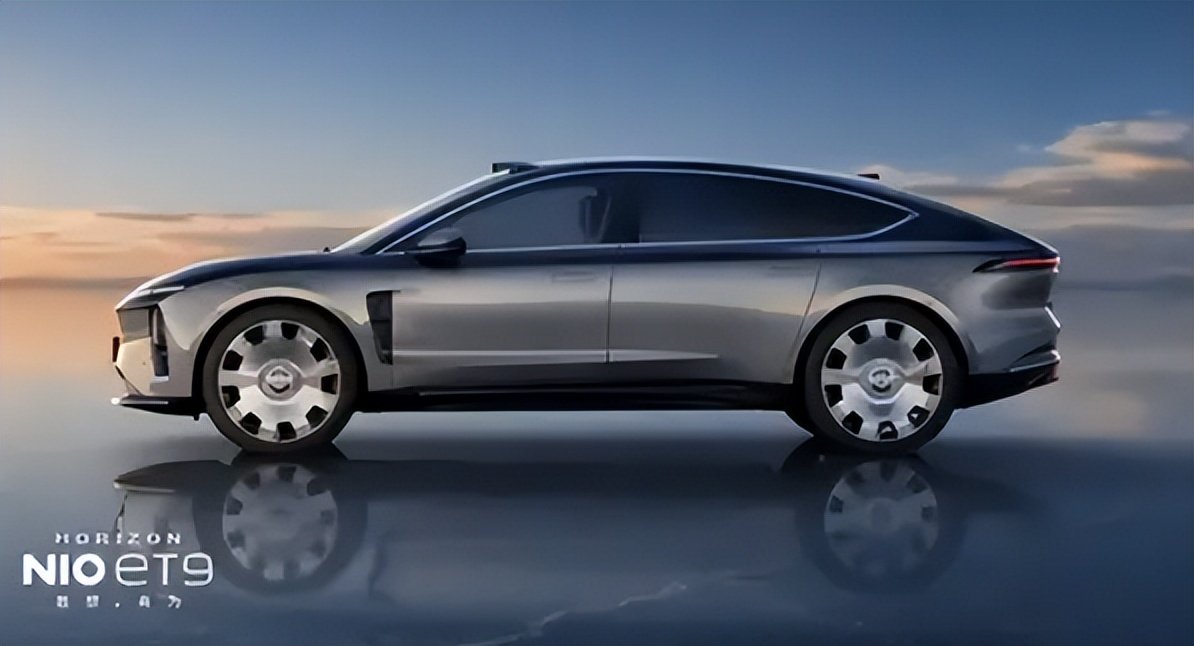
The car's dimensions: 5,324mm long, 3,250mm wheelbase, longer than a Maybach S-Class. Driving it, you'd probably need a chauffeur.
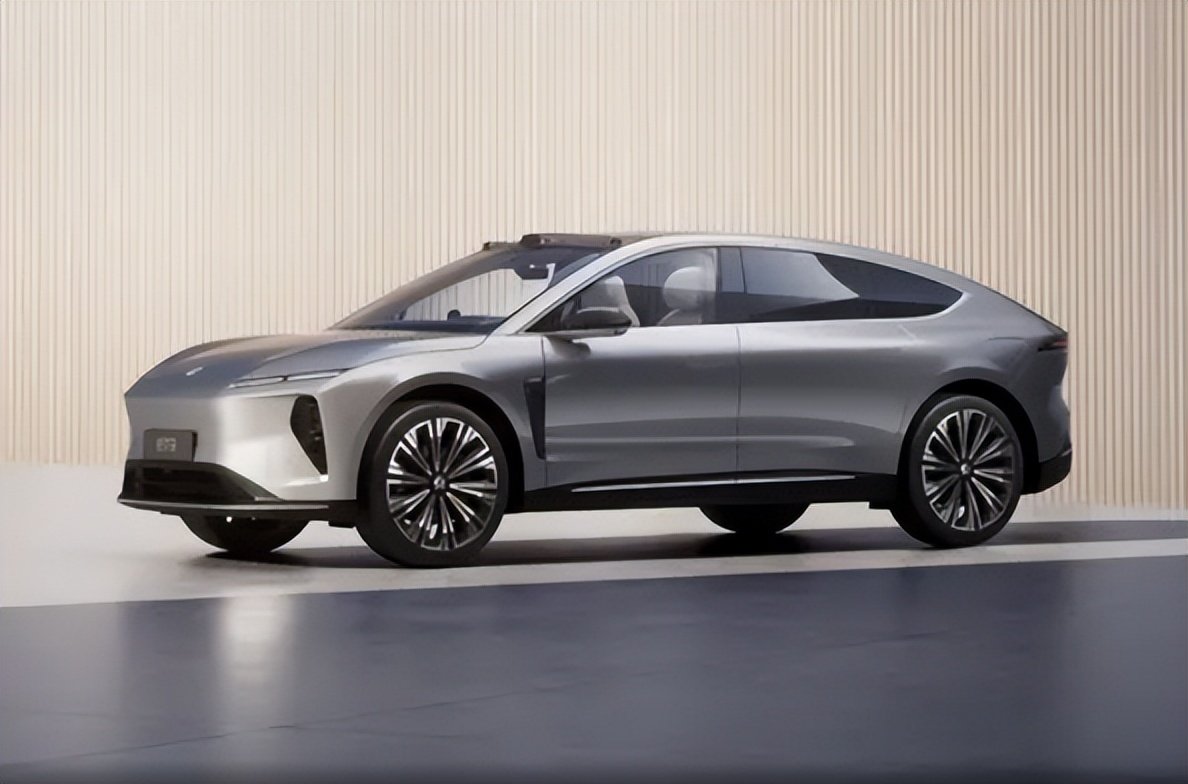
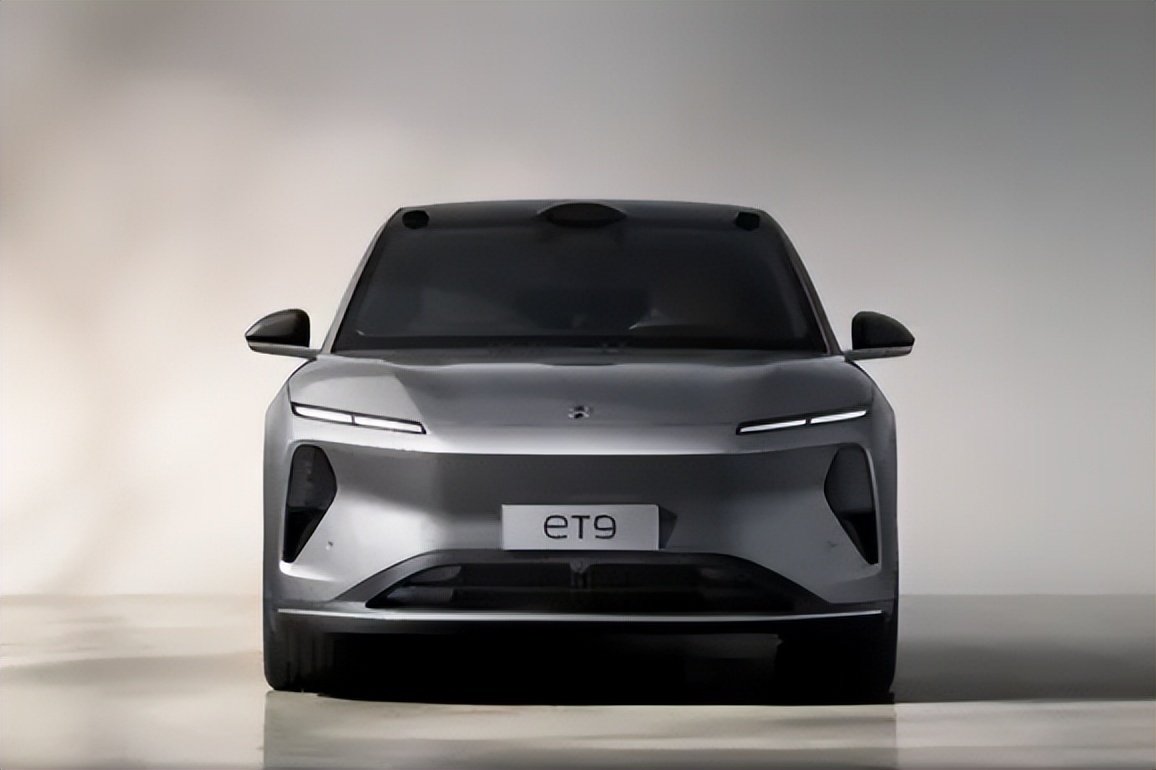
In terms of design, NIO still uses that family face, but it's more sci-fi now. The lidar on the roof, plus the ones on both front fenders—the hardware is stacked up plenty.
That self-developed Shenji NX9031 chip sounds impressive, but how it actually performs in practice will depend on long-term feedback from owners.
In today's market, NIO is not the only one playing in the high-end segment.
The Mercedes-Benz EQS and BMW i7—these established luxury electric flagships have their brand power right there.
There's also the Yangwang U7, whose technology and hype are no less impressive.
The ET9 is caught in the middle, and fighting its way out is really not easy. Judging from current sales, the challenge is enormous.
At the end of the day, the NIO ET9 is a brave attempt to move upward, with many technical highlights, and it has indeed brought luxury and comfort to a very high level.
But whether the market recognizes it and whether consumers will pay for it is another matter. Nianhan's words make sense, right? Plain words, but sound reasoning.
For over 800,000, would you choose the halo of BBA, or give NIO's "technology flagship" a chance?
For this Horizon Special Edition, do you think the extra 110,000-plus is worth spending?
Let's chat in the comments section—I want to hear everyone's real thoughts.