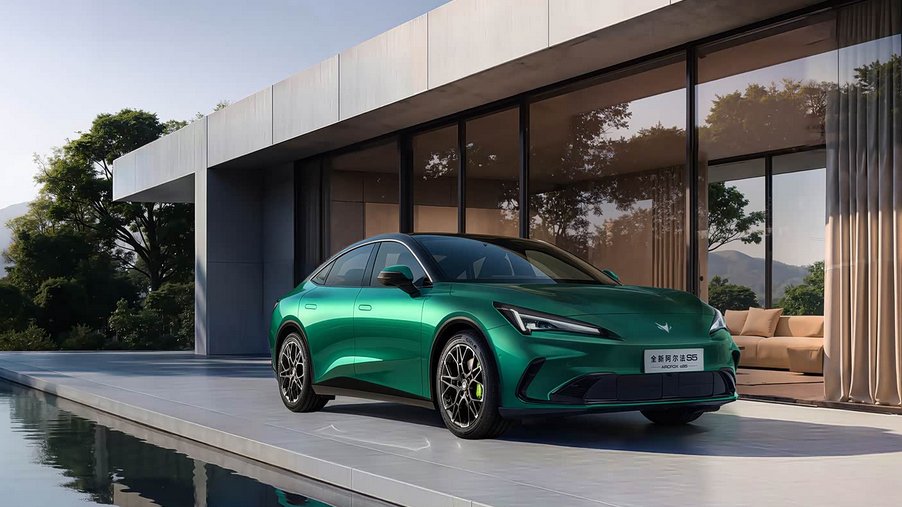
On March 18, the Arcfox brand's mid-size sedan, the Alpha S5, completed its annual facelift and was officially launched to the market. The new car offers a total of 7 configurations, with an official post-subsidy price range of 99,800 to 169,800 yuan.
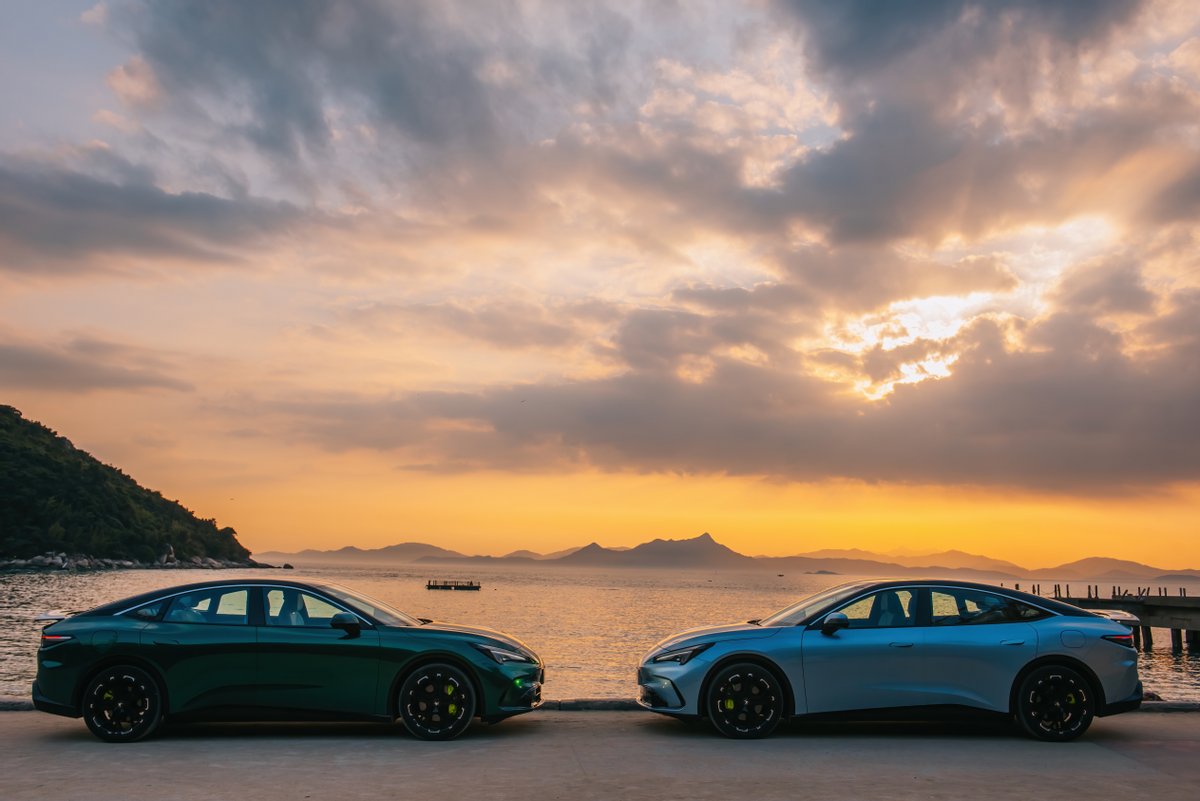
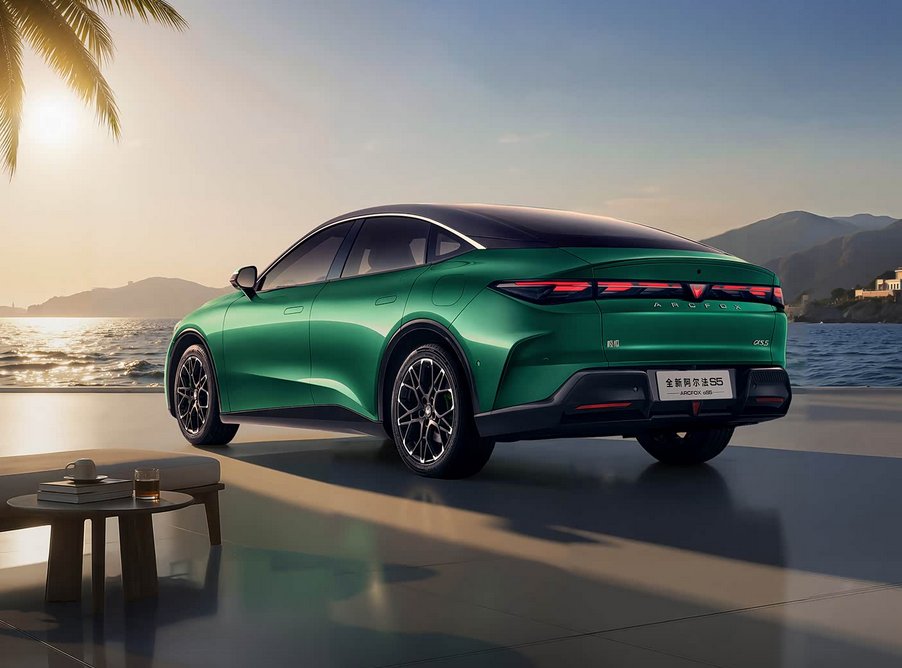
Looking at the exterior details, the new Alpha S5 has not undergone major adjustments, but rather optimizations to some localized designs. The front and rear bumpers adopt new styling, and intelligent driving blue lights have been added to the front and rear.
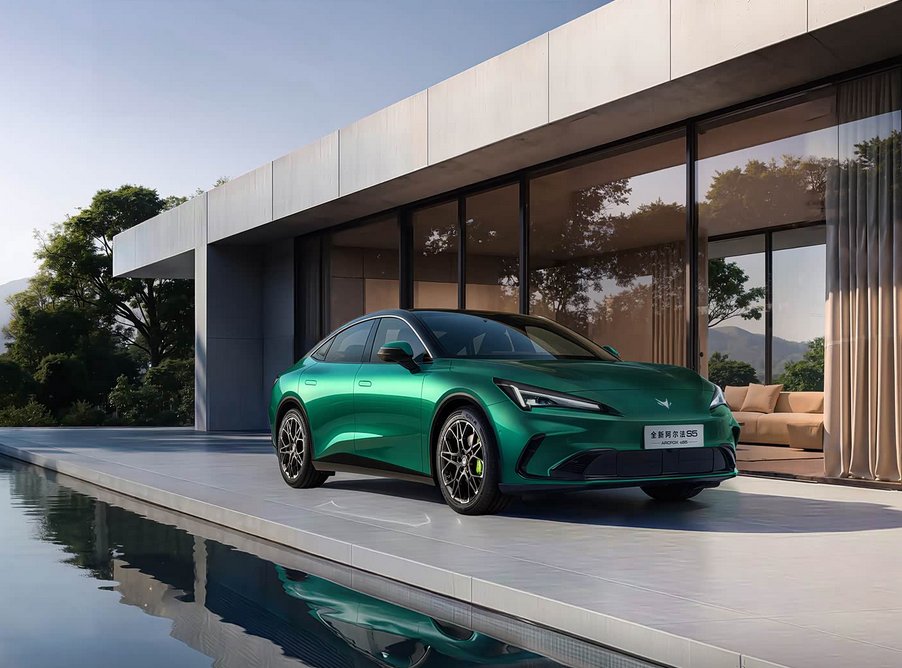
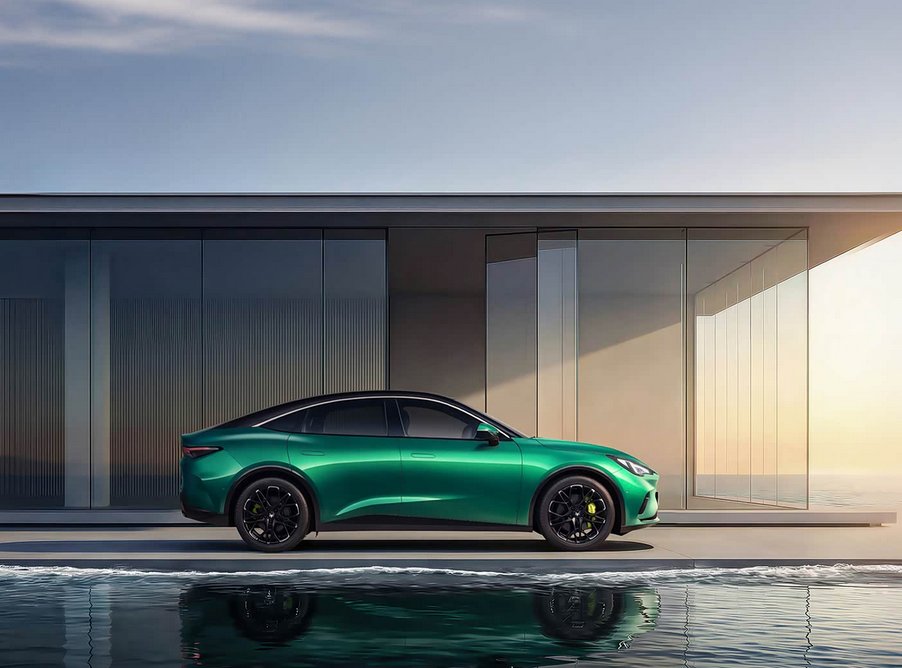
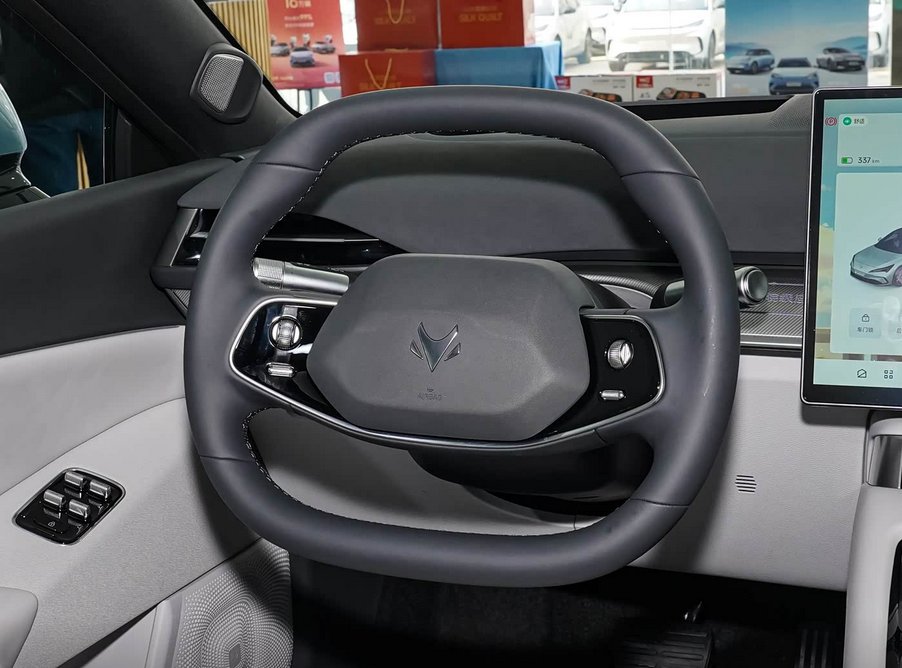
In the interior, the overall layout continues the current model's wrap-around cockpit design, with the main changes being the installation of a new-style multifunction steering wheel and slight adjustments to the shape of the secondary instrument panel.
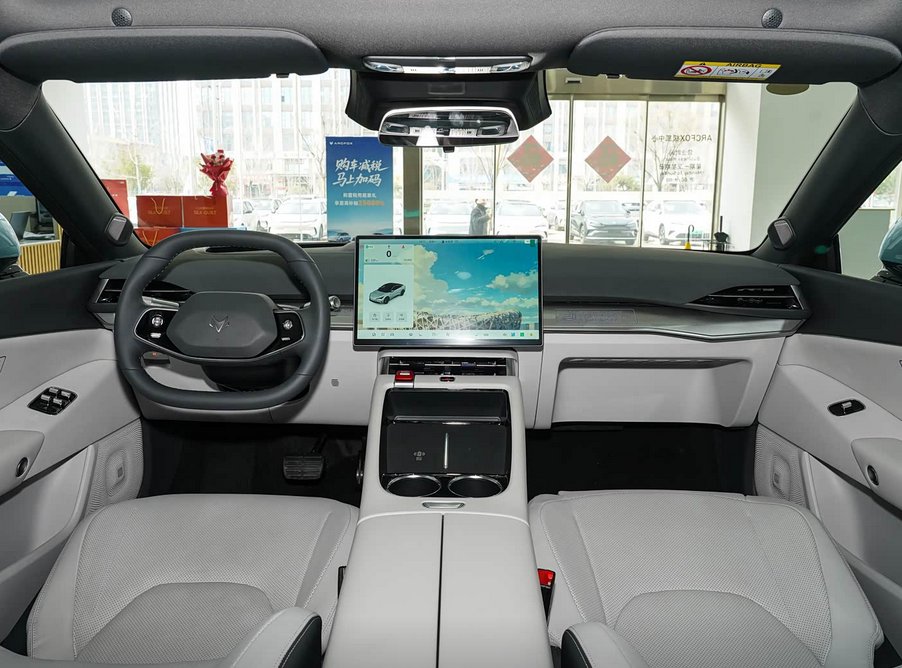
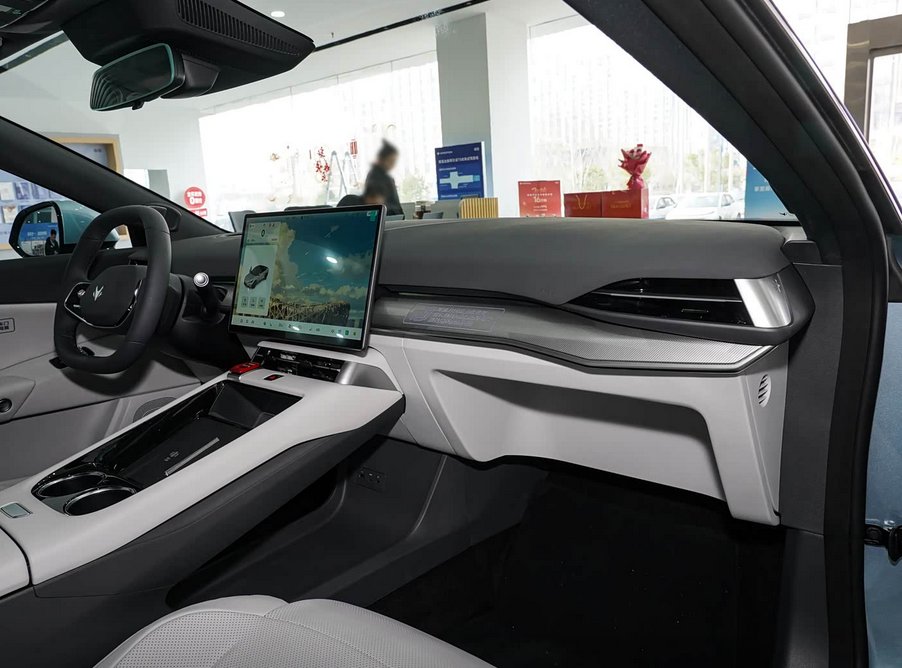
The new car is equipped with 15 radars and 7 high-definition cameras, and adopts DJI Zhuoyu's "inertial navigation binocular stereo vision system," which the company claims can achieve a maximum recognition distance of 212 meters. In actual driving, this system can implement functions such as traffic light recognition with automatic stop-start, unprotected left turns, and intelligent obstacle avoidance and detouring.
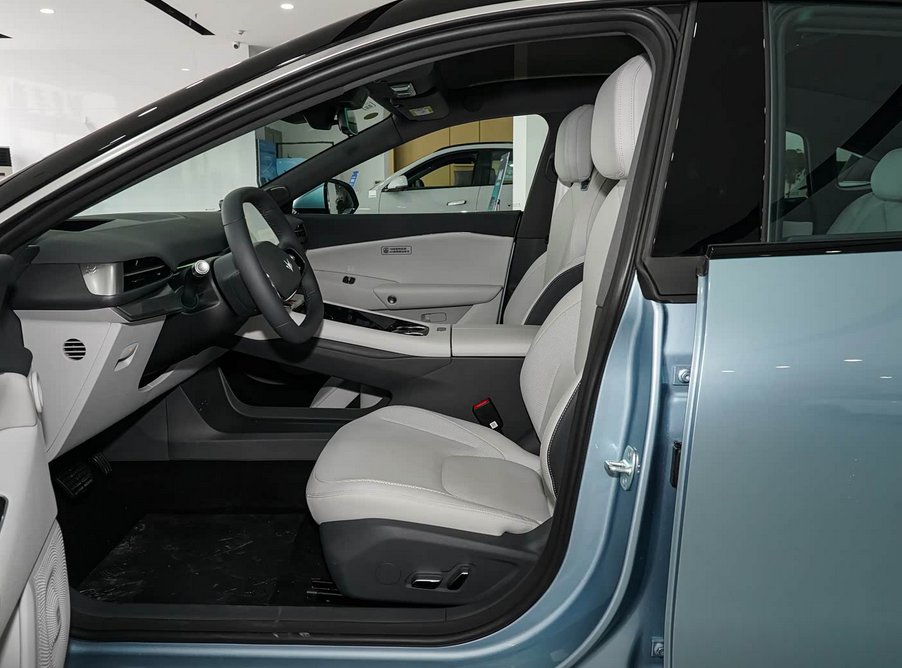
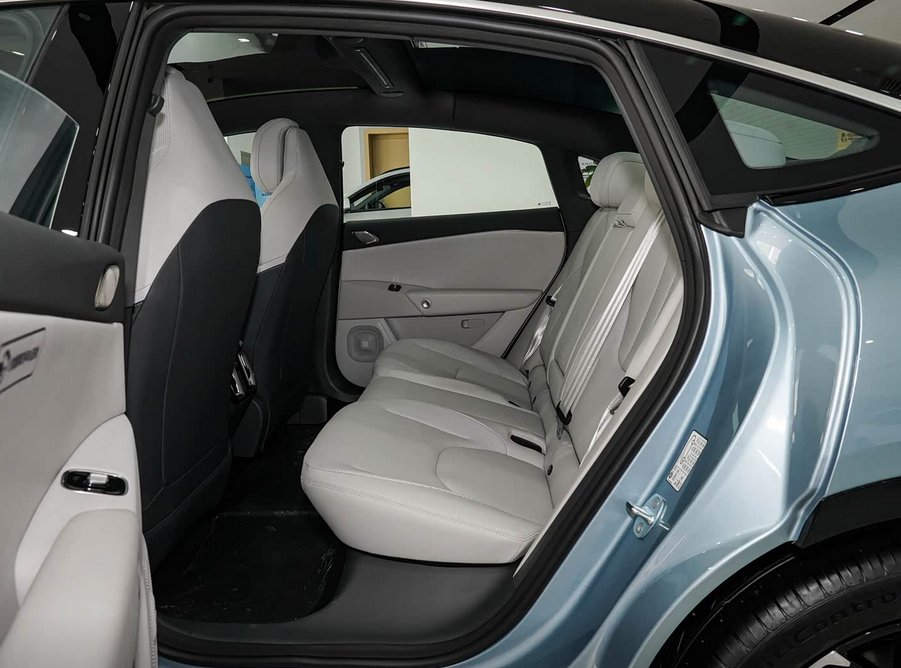
The most important change in this facelift lies in the addition to the powertrain lineup. On the basis of the existing pure electric version, the new car adds an extended-range version for the first time. The newly added extended-range model is equipped with a 1.5L engine with a maximum power of 77 kW as a range extender, and the drive motor has a maximum power of 200 kW. The pure electric version continues the current model's powertrain combination, offering both single-motor and dual-motor versions. The single-motor version offers two power options of 185 kW and 200 kW, while the dual-motor version has a combined power of 390 kW.
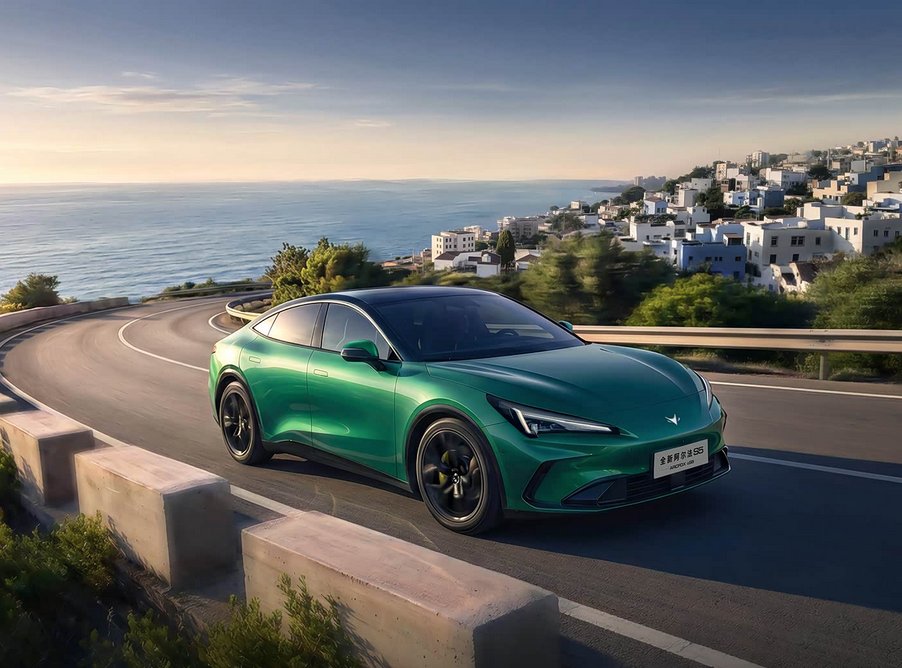
Arcfox Alpha S5's "two-legged" powertrain strategy is very pragmatic. For users who have long-distance travel needs but also have charging conditions, the extended-range version's 230 km of pure electric range can basically cover daily commuting, while the combined 1,450 km range eliminates long-distance anxiety. This combination can indeed cover a broader group of people. The pure electric version retains the performance option, with the all-wheel-drive version that accelerates from 0 to 100 km/h in 3.7 seconds targeting users with higher power demands.


