Just dozed off for a bit, and now I'm feeling pretty sharp—perfect time to chat with you car folks about something interesting.
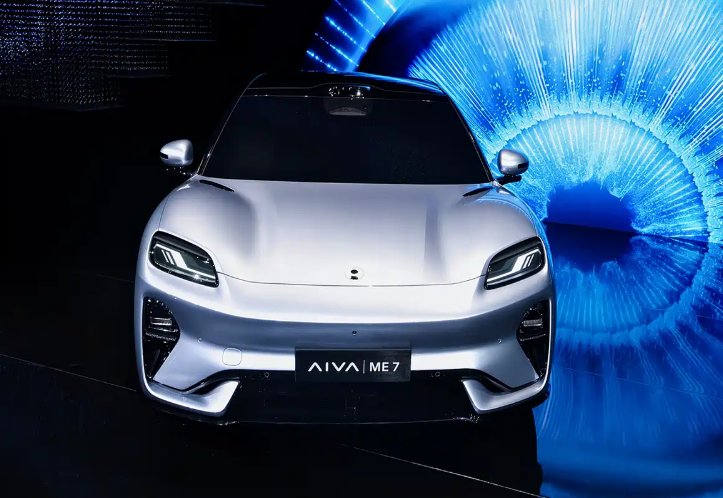
These past two days, hasn't everyone in the car circle been talking about the newly unveiled Seres model, the AIVA ME7?
Almost everyone's first reaction was the same—they thought it was another addition to the AITO family, or another "something-Jie" from Huawei's Harmony Intelligent Mobility.
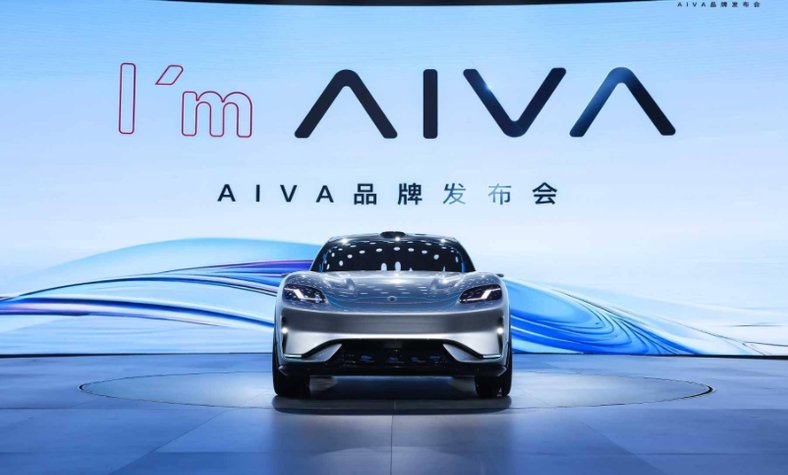
But once people looked into it, quite a few veteran gearheads in the circle nearly had their eyes pop out!
Sitting in this car's cabin, it's leaning on ByteDance—using Volcano Engine and the Doubao large model.
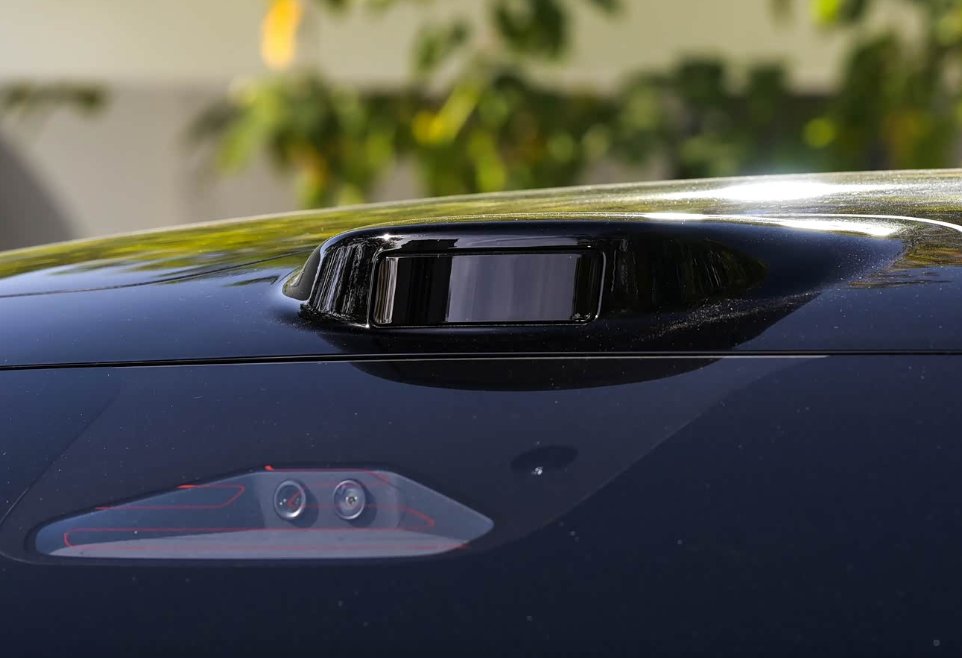
Then looking up at the roof, although it's topped with a LiDAR, word is the assisted driving doesn't use Huawei Qiankun at all—instead they brought in DeepRoute.ai!
Honestly, that's just too intriguing.
Don't doubt it—over the past two years, what's been Seres's toughest label?
Need you even ask? Solidly "Huawei-content maxed out"!
Just look at how insanely well AITO has been selling—everyone knows it.
But now they've independently cooked up the AIVA brand, and on the first model's debut, the two most important smart cards—cabin and intelligent driving—both actually bypass Huawei.
Because of this, there will surely be a bunch online jumping up and down, saying Seres has grown wings and wants to fly solo, wants to take the de-Huaweiization path, even elevating it to SAIC's so-called "soul theory" from back in the day.
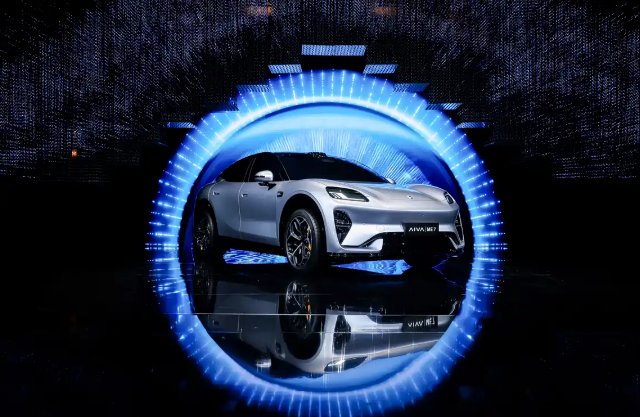
But I think it's too early to draw conclusions on this—businessmen, come on, there's no such black-and-white camp opposition.
AITO raking in profits is AITO's business; Seres itself is ultimately a car OEM—you can't put all your eggs in one basket. Trying ByteDance's Volcano Engine for the large model, pulling in DeepRoute.ai to work out end-to-end intelligent driving—put plainly, it's just having two preparations.
But the question is, without Huawei's layer of "gold plating," will consumers buy it?
I'll skip the online gossip for now and just look at the car itself.
Speaking of which, the ME7's foundation—the specs are actually pretty fierce.
Overall length 4999mm, width 1999mm, wheelbase directly stretched to 3050mm.
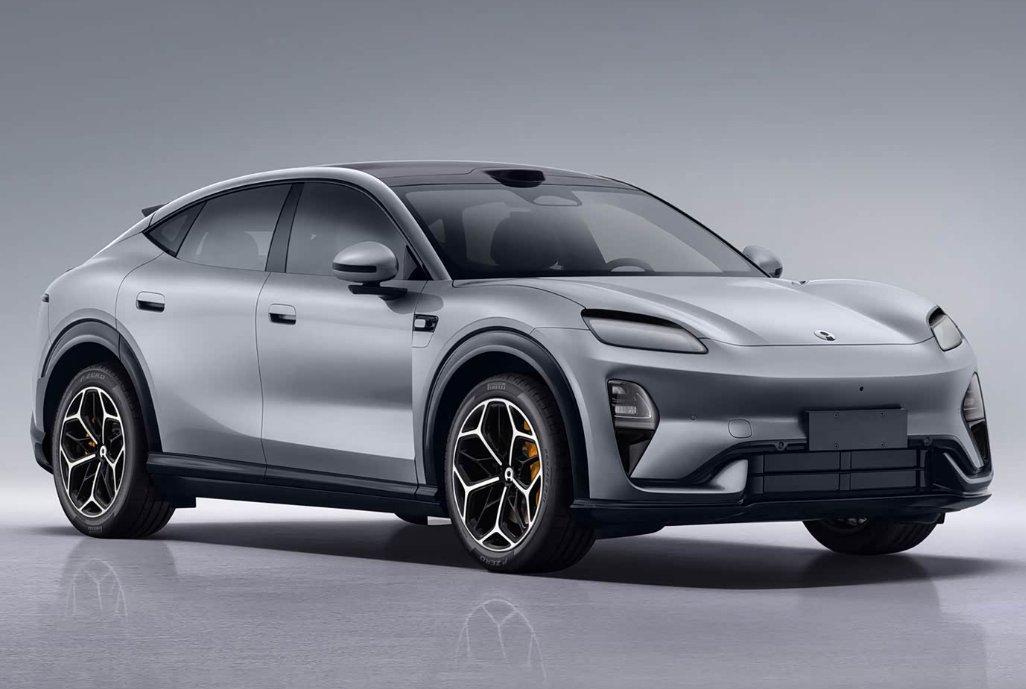
Car folks, that's a standard near-5-meter length and 2-meter width!
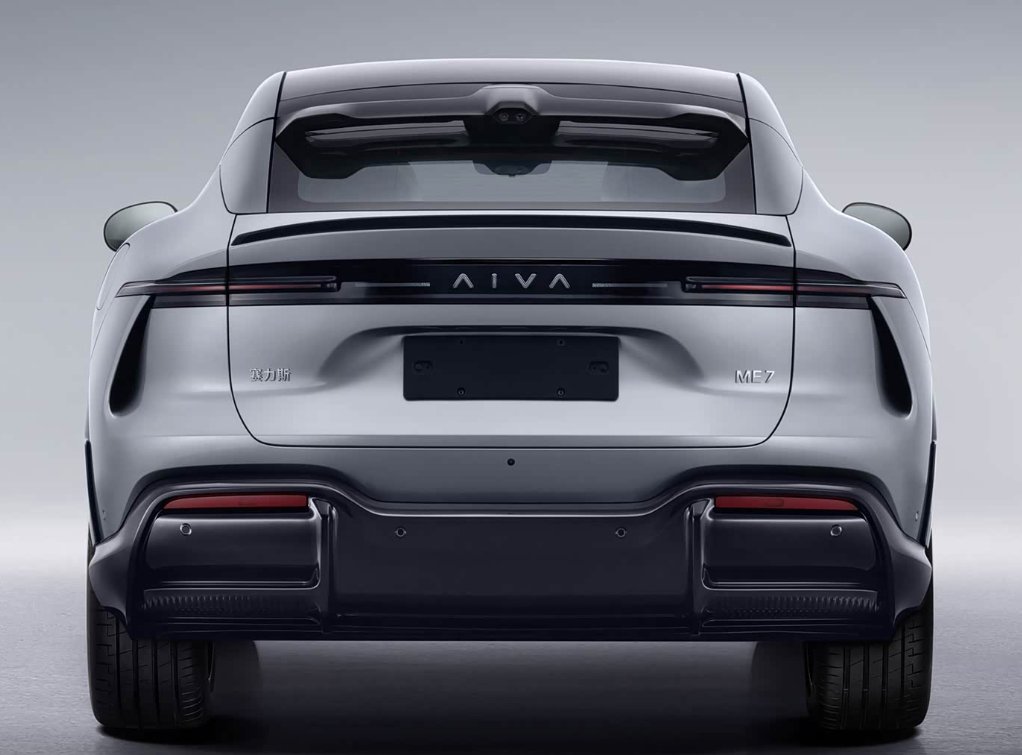
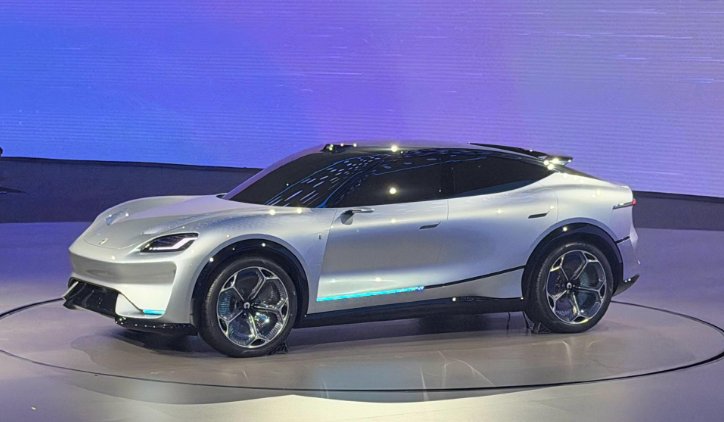
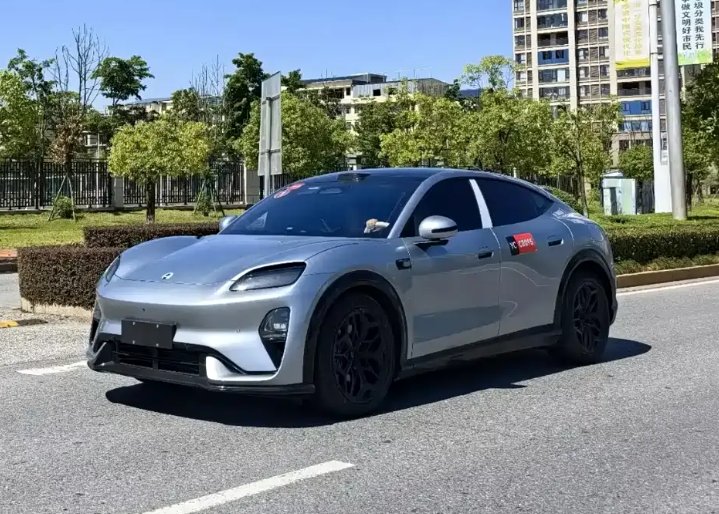
The exterior takes the coupe SUV route—big fastback, rising waistline, wide rear body, plus a sizeable large spoiler paired with a perky ducktail, and even the hood gets sporty air channels and muscular crease lines. The headlights can do light shows, and the wheels go straight to 20 and 21 inches.
Judging purely by this sheet metal, the sportiness and aggression are indeed maxed out—the presence is no less than a Porsche Macan.
Powertrain is no slouch either—all-electric across the lineup. The MIIT filing info is crystal clear: single-motor version max power hits 270kW, dual-motor version 150kW front and 270kW rear, total 420kW, paired with honest-to-goodness ternary lithium batteries.
Just based on that single-motor 270kW on paper, 0-100 acceleration is at least in the 5-second range or faster—stomp it at a red light and the push-back feeling will definitely be plenty.
But then again, if this car really wants to charge into the 200,000+ yuan market, I'm a bit nervous for it.
Why?
Because pure electric + coupe SUV has always been the recognized graveyard of "critical acclaim but poor sales" in the auto industry.
It looks handsome outside, but interior space often suffers from the fastback—most people actually spending money on family cars ultimately compromise and choose boxy five- or six-seat SUVs.
And look at what deities are squatting around it?
Below, there's the XPeng G6 and Onvo L60 guarding the gate.
At eye level, Tesla Model Y has been sitting comfortably as sales champion year-round, with the Zeekr 7X and Avatr 07 standing right there.
Going higher, even its own "fellow disciple" the Luxeed R7 is still there gobbling up meat!
What did the Luxeed R7 sell like crazy on?
Wasn't it HarmonyOS cabin, Huawei Qiankun ADS intelligent driving, plus Yu the Big Mouth's traffic blessing?
In contrast, the AIVA ME7—although longer in size with a 3050mm wheelbase—has had its cards swapped to "Doubao large model + DeepRoute.ai."
⟦89To put it plainly, the Doubao large model is indeed smart on phones and computers—text generation, intent understanding are smooth—but once moved into the car, can it tune the AC, seats, navigation and other vehicle control logic to be silky without acting dumb?
Here I have to put a big question mark.
DeepRoute.ai's end-to-end intelligent driving has indeed been popping up fast in the circle these past two years, but when ordinary folks buy a 200,000+ yuan car, do they recognize DeepRoute?
At the showroom, can the salesperson in three sentences pitch this non-Huawei intelligent driving system well enough to get customers happily swiping their cards?
That's the hardest hurdle for Seres to cross.
In my view, if Seres really wants to level up the AIVA account, the most down-to-earth advice is just one: don't put on airs—flip the table on price.
If the starting price really dares to anchor at just over 200,000, packing in the 3050mm wheelbase's big space, standard high-compute LiDAR and 270kW big motor—taking the "one size bigger, fully stacked, explosive value" route—then there's still a chance.
If it thinks too highly of itself and insists on touching the 250,000 or even 300,000 price band, without Huawei's halo for protection, consumers won't show any mercy at all.
The car has really been unveiled, and the cards have been played.
Is it Seres's second growth curve, or a trial-and-error test after departing from Huawei?
I think, let's hold off on judging for now—wait until the day it launches and announces pricing, and the answer will naturally all come out.