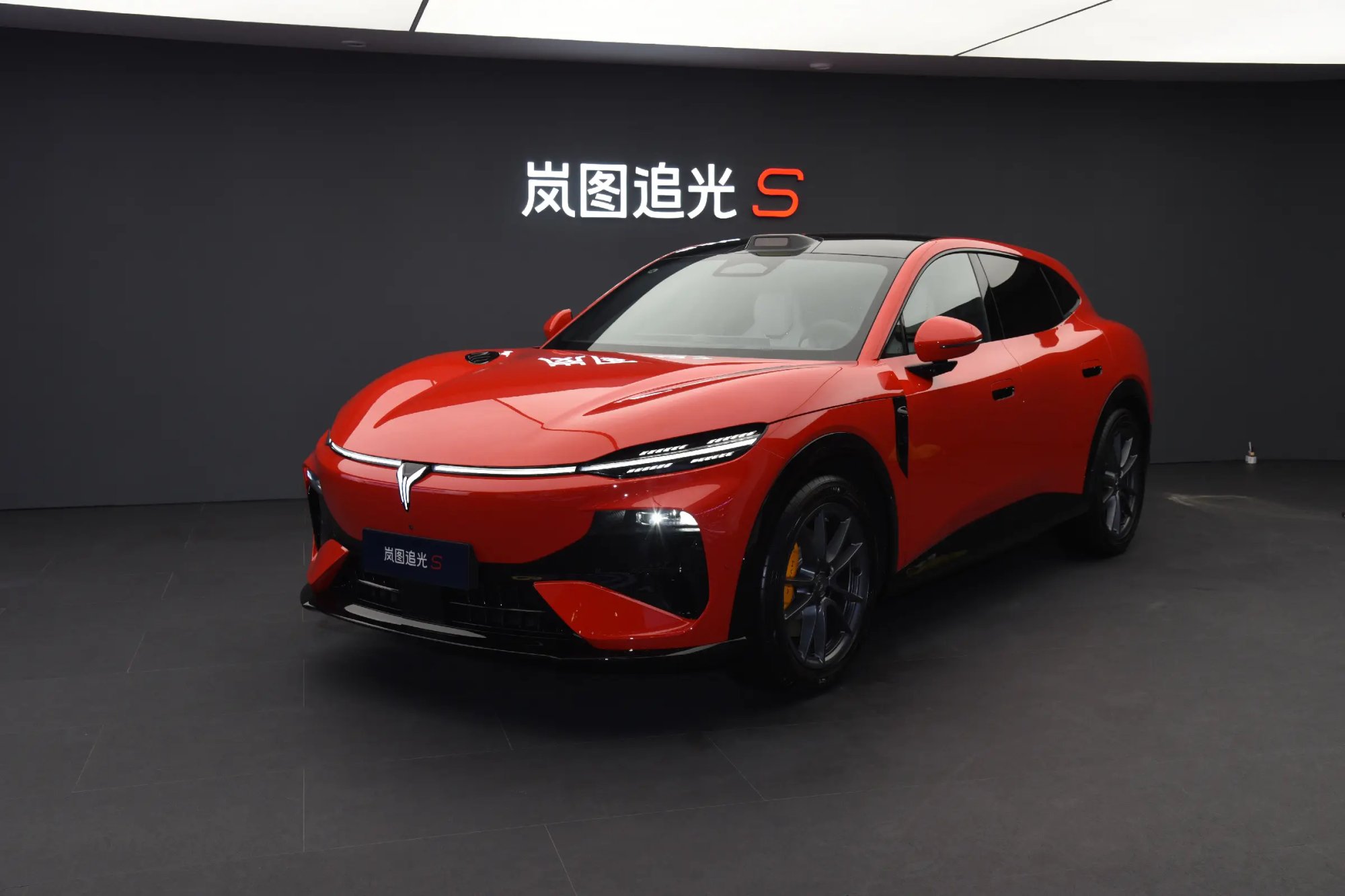
The 2026 Voyah Passion S launched on August 15, positioned as a mid-to-large all-electric SUV, with official guidance prices from 229,900 to 279,900 yuan. The new model features front double wishbone and rear five-link independent suspension across the lineup, offering rear-wheel-drive and dual-motor all-wheel-drive versions, among which the Ultra+ AWD version produces a maximum of 646Ps, with an official 0-100km/h acceleration of just 4.5 seconds. For consumers who need both family space and value power and chassis configuration, what practical value does this combination offer?
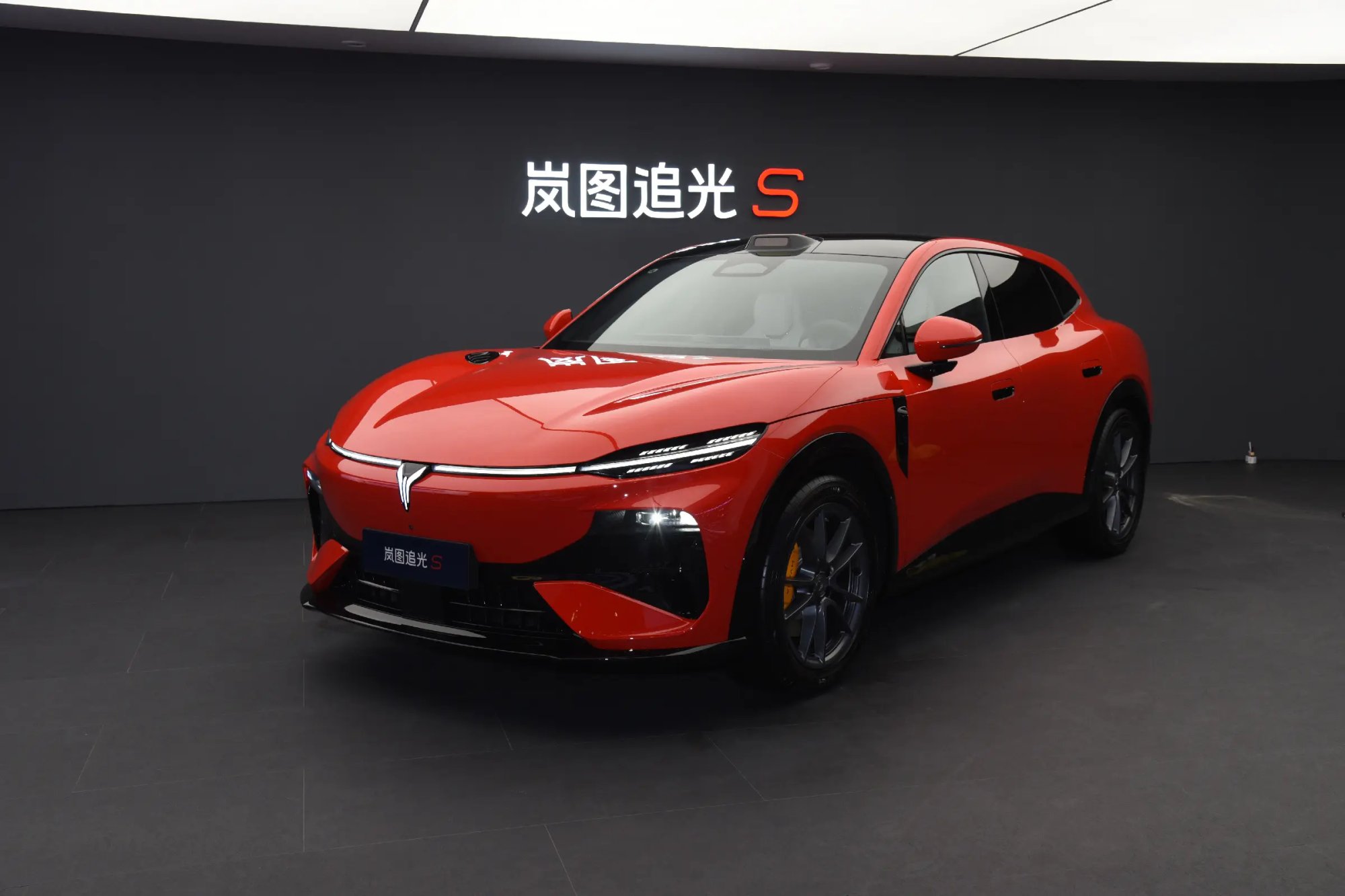
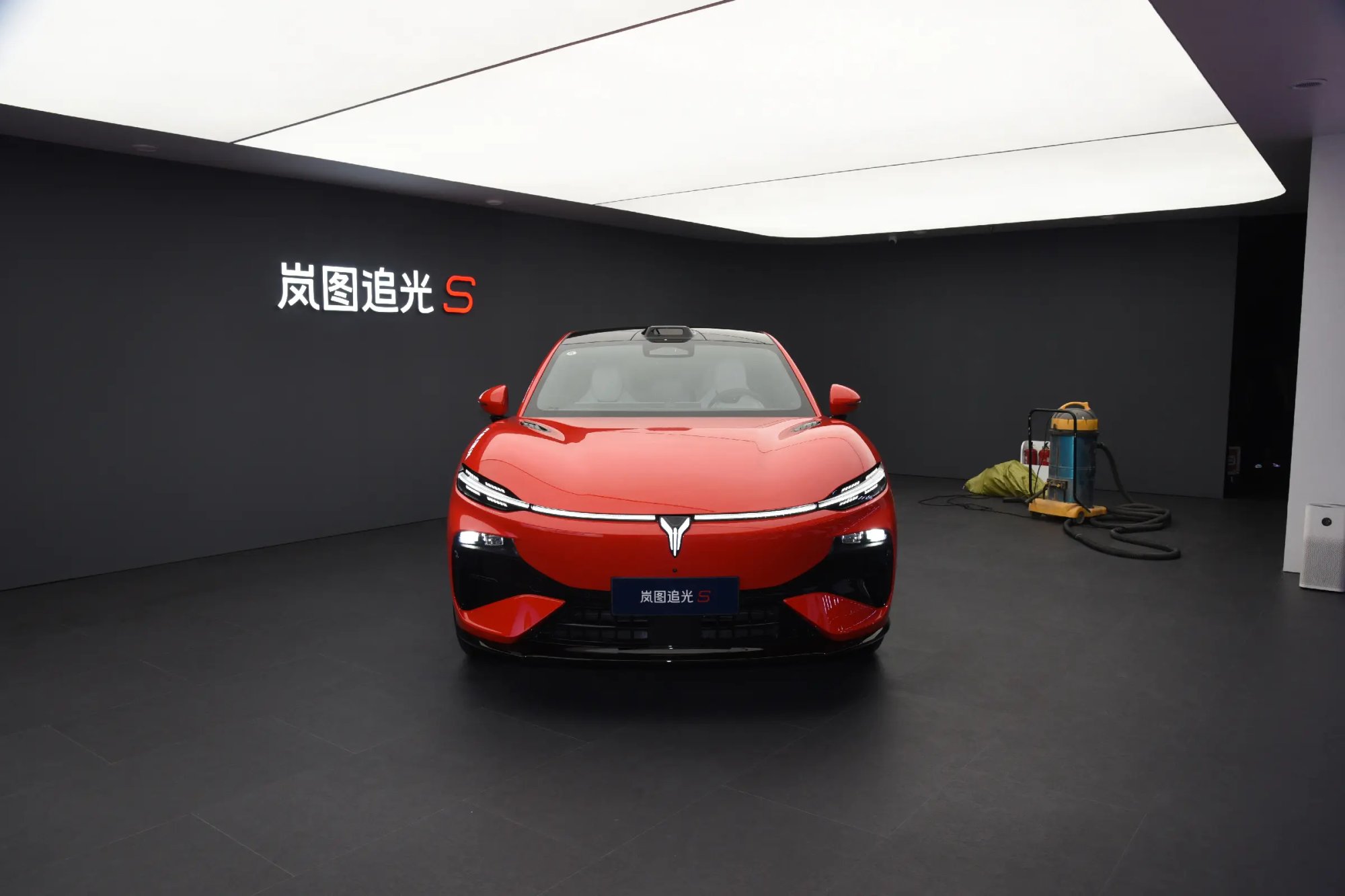
The Voyah Passion S features a closed front-end design, with a full-width star-ring light assembly connecting the headlights on both sides, and an illuminated brand logo in the center. The front bumper is equipped with active grille shutters and incorporates guide structures to form multiple functional air ducts. The vehicle comes with LED high and low beam headlights, automatic headlights, adaptive high beam, and headlight height adjustment, with assisted driving indicator lights also integrated into the front light assembly.
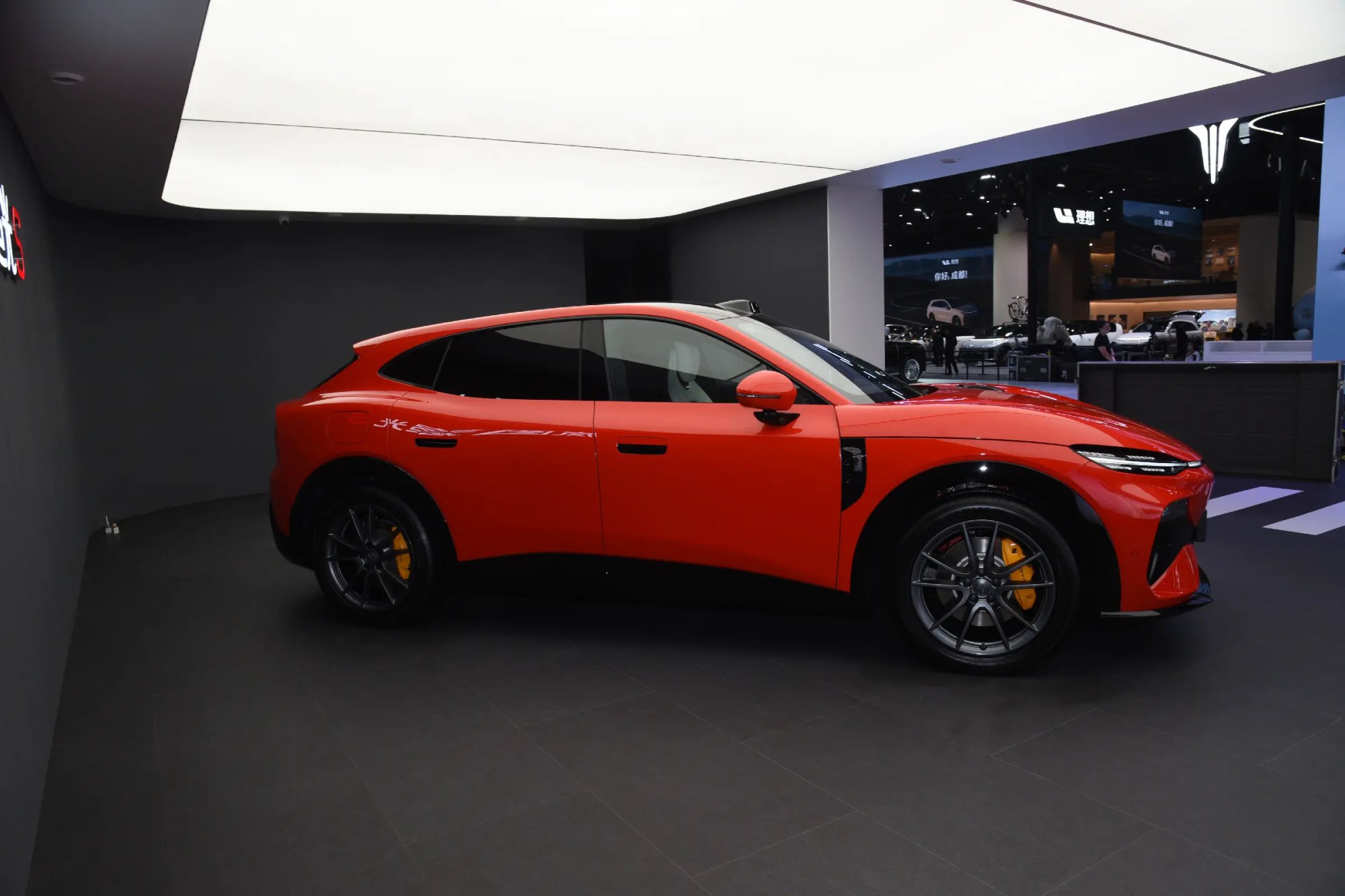
The side profile adopts a low-slung wide-body stance, with the roofline gradually tapering toward the rear, paired with hidden door handles and 21-inch aluminum alloy wheels. The vehicle measures 5050/1998/1656mm in length, width, and height respectively, with the AWD Ultra+ standing 1636mm tall, and a wheelbase of 3000mm across all versions. Front and rear tires are sized 255/50 R21, and the wider body and 3-meter wheelbase provide the foundation for a five-seat interior layout.
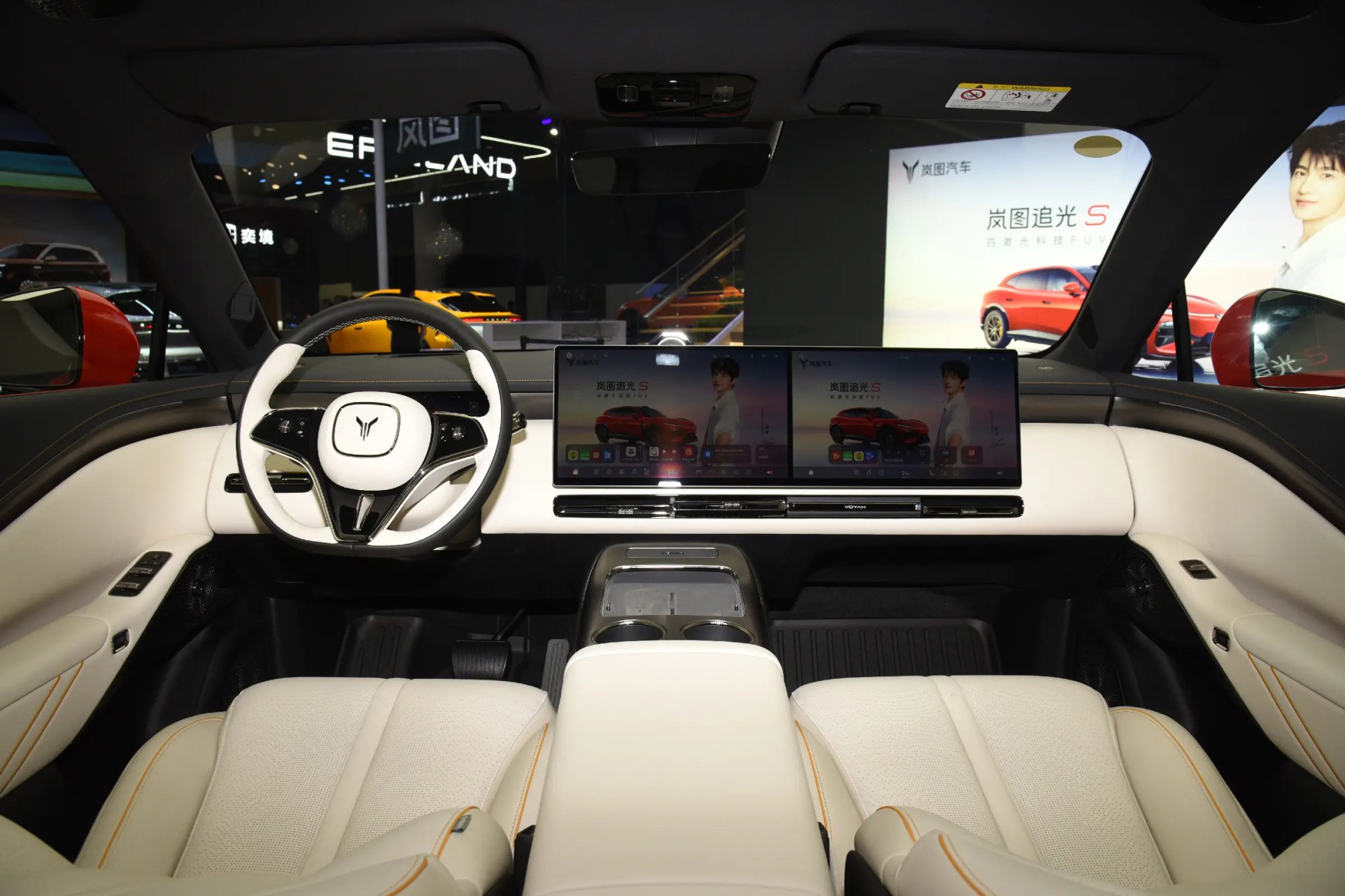
The interior features a wraparound layout, with two 15.6-inch 2.5K screens in the center console area, handling vehicle function control and front passenger entertainment respectively. The infotainment system runs HarmonySpace 5.2, supporting HUAWEI HiCar, voice interaction, and OTA updates. The Ultra and Ultra+ also come equipped with an AR-HUD head-up display system that projects navigation and driving information in front of the driver.
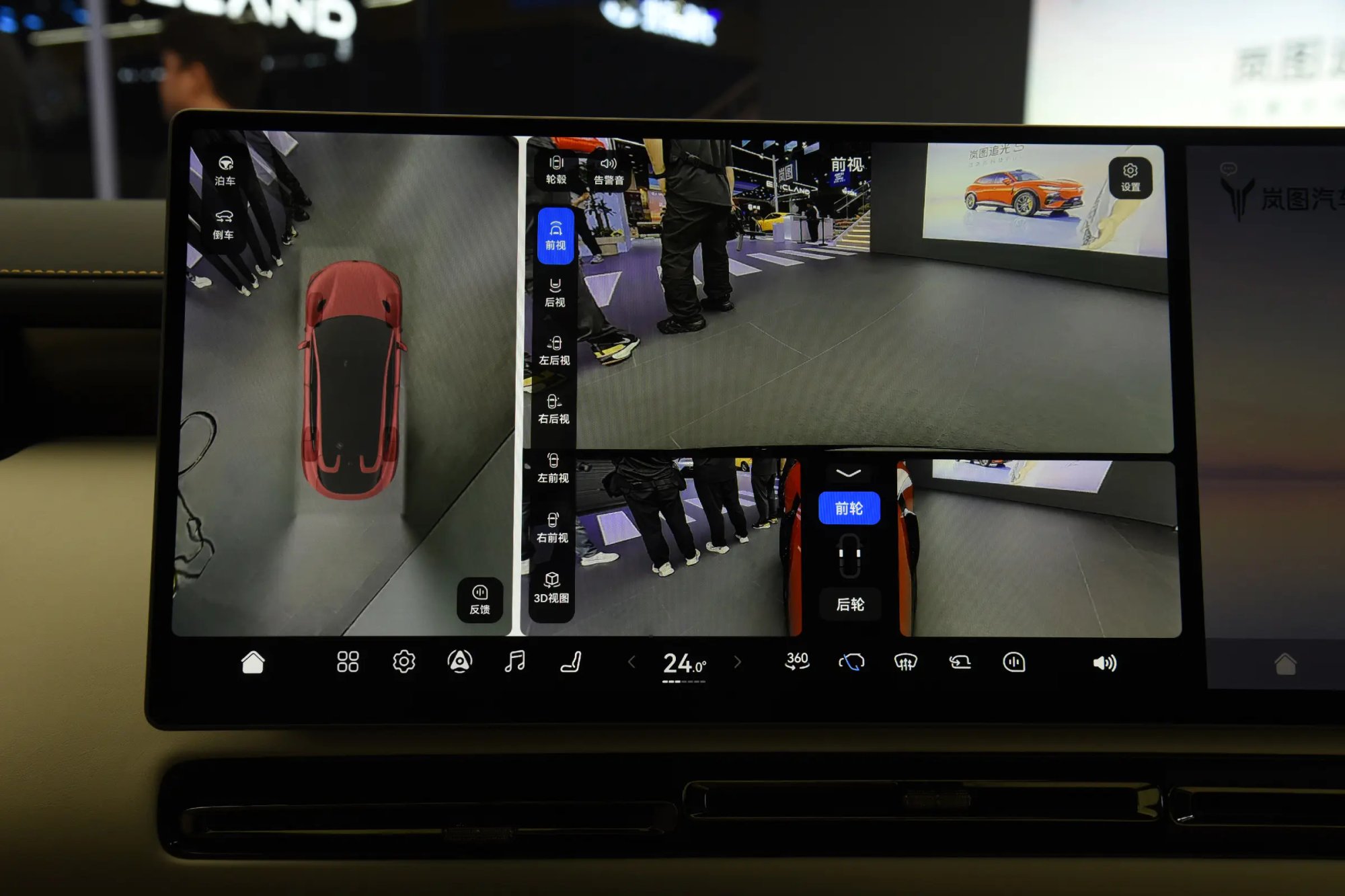
In terms of assisted driving, the entire lineup is equipped with the Huawei Qiankun ADS 5 assisted driving system, featuring a four-lidar solution including an 896-line dual-path main lidar, along with cameras, millimeter-wave radars, and other perception hardware. The system provides highway and urban navigation assist, automatic parking, and other functions, primarily used for road driving assistance and parking operations; the driver must still maintain continuous supervision.
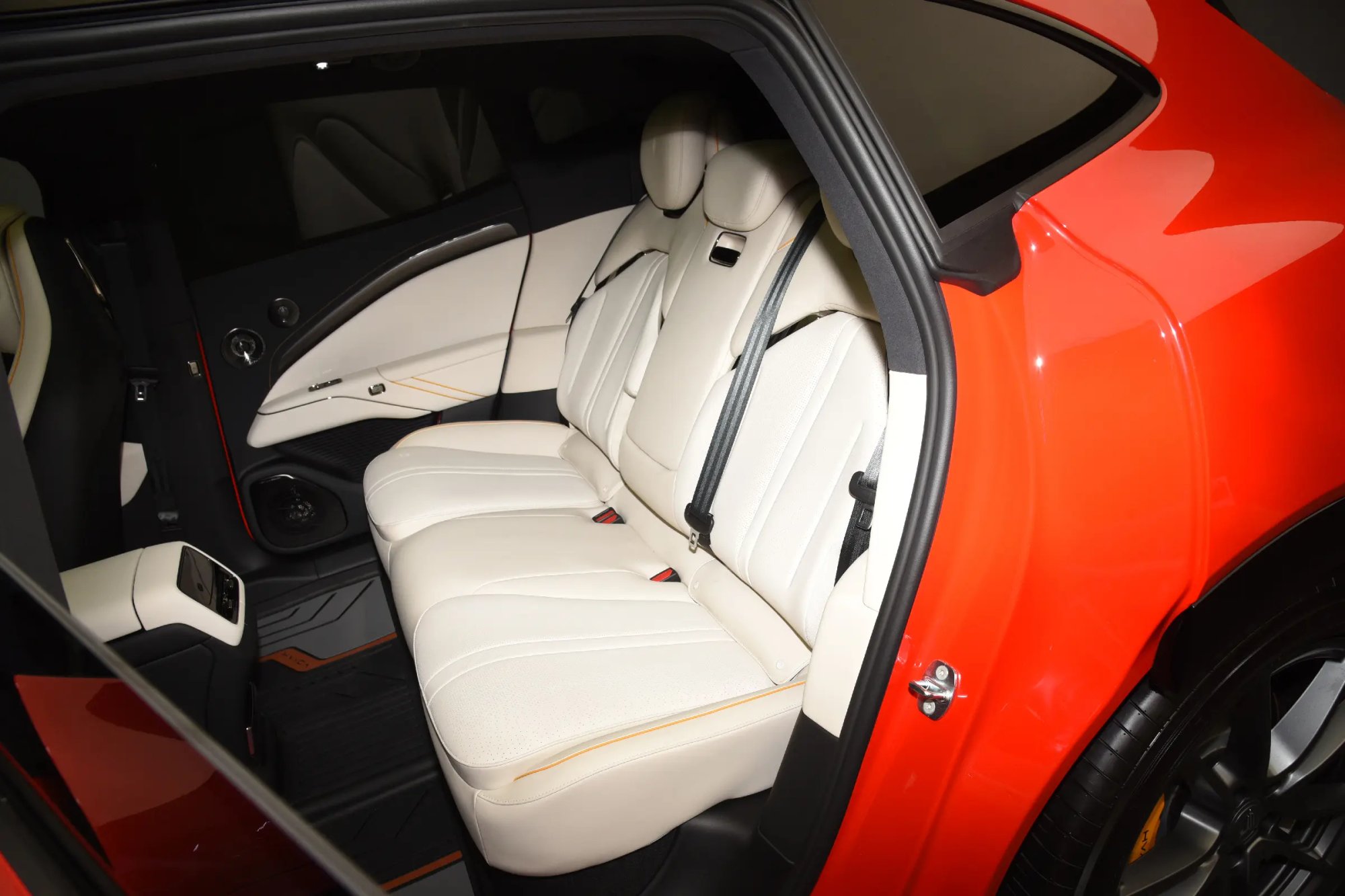
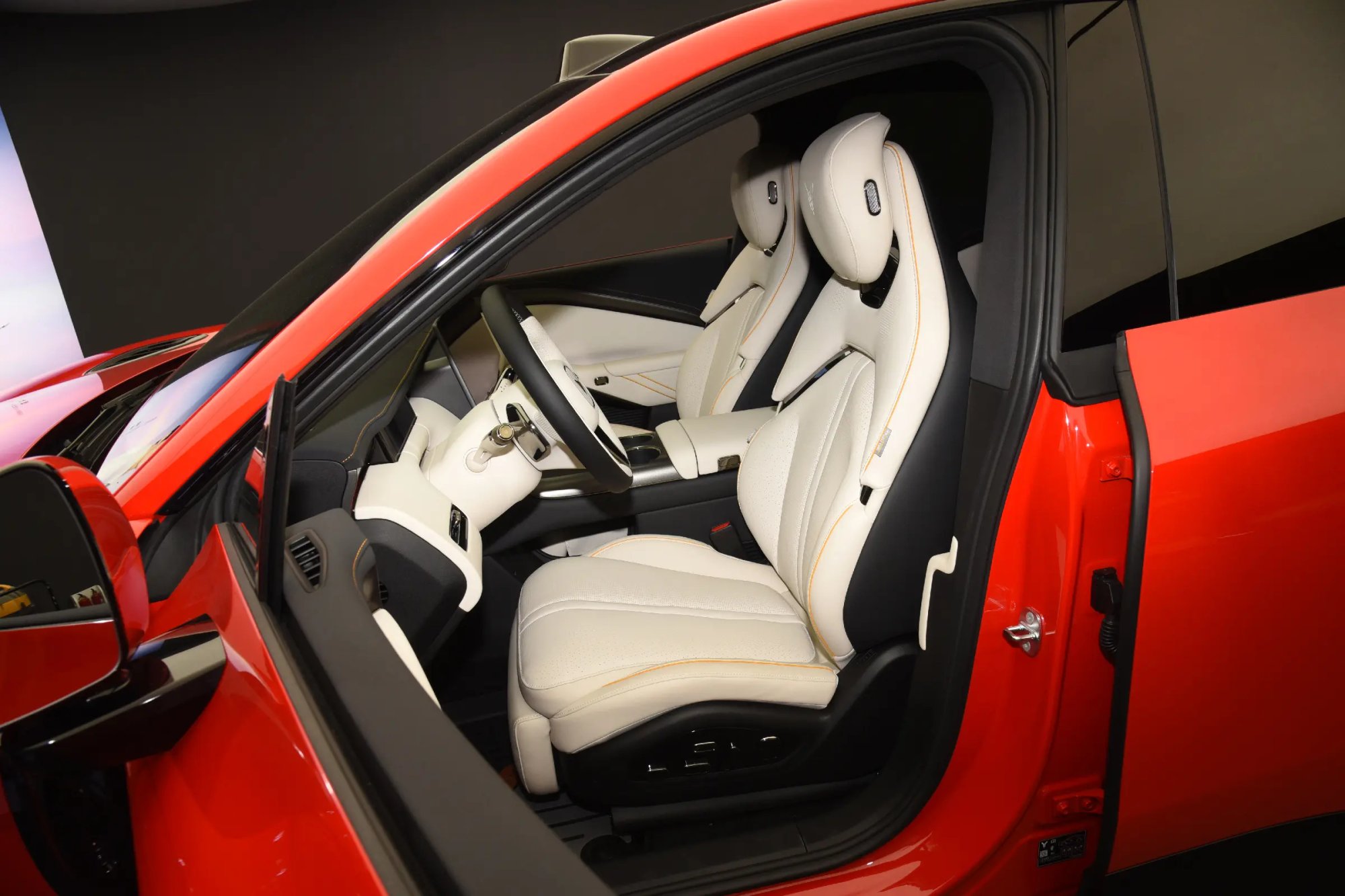
The interior adopts a 2+3 five-seat layout, with front seats supporting power adjustment, heating, and ventilation, some comfort features being subject to limited-time benefits. The rear seats feature a 12-layer zero-pressure seat structure with adjustable backrest angle. The standard trunk capacity is 584L, expandable to 1744L with the rear seats folded down, plus an 80L front trunk, making it convenient for families to organize and store items during travel.
The chassis is a key highlight of the Voyah Passion S. The new model adopts front double-wishbone independent suspension and rear five-link independent suspension, both in aluminum alloy construction. The double wishbone constrains front wheel motion through upper and lower control arms, providing room for setting suspension geometry parameters such as wheel camber angle; the rear five-link controls wheel motion trajectories separately through multiple links. This structure balances the vehicle's sporty control requirements and passenger space layout.
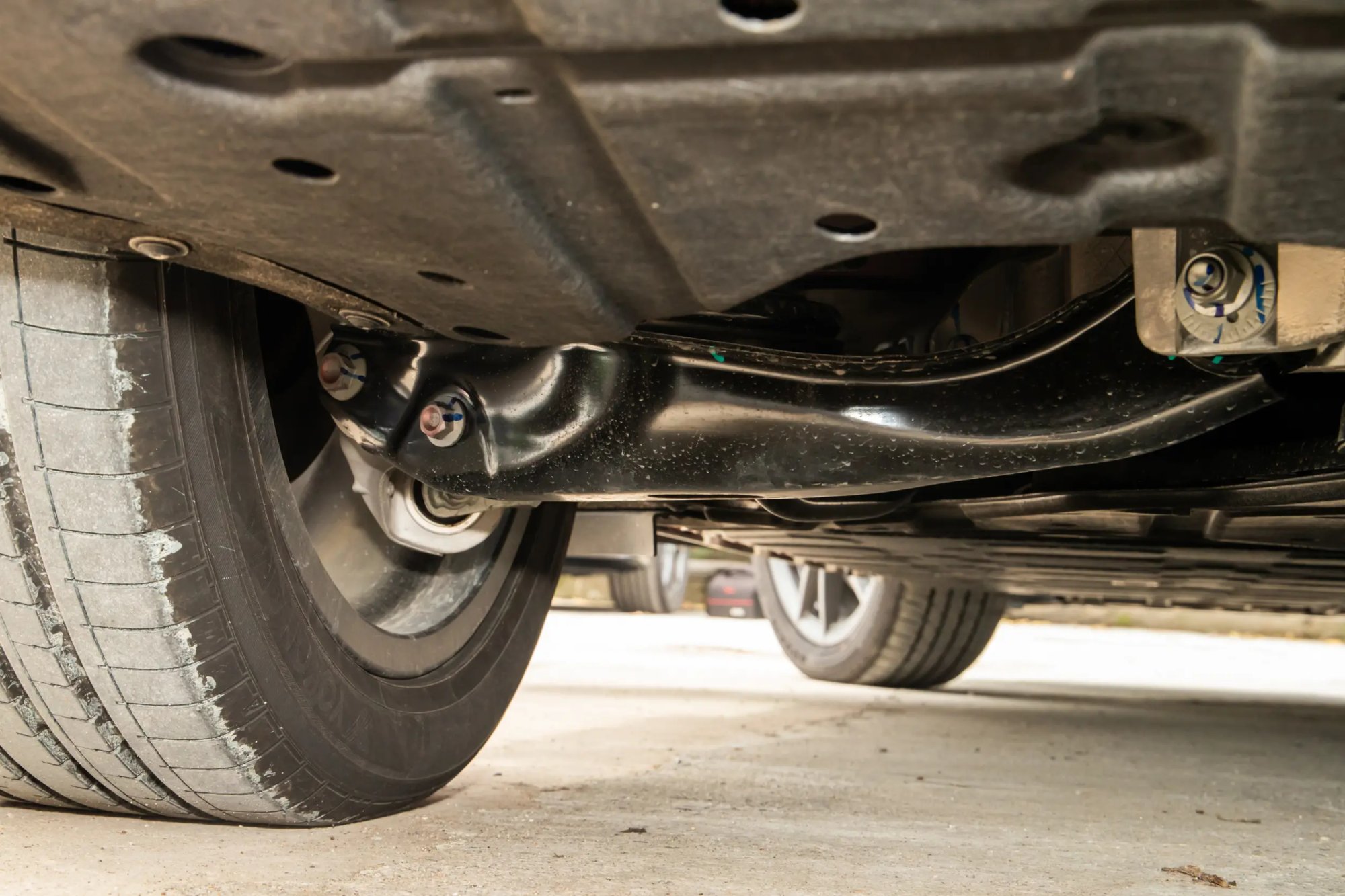
The vehicle is also equipped with EDC variable damping suspension, capable of adjusting shock absorber damping according to operating conditions. The Ultra+ further adds air suspension, which can adjust ride height and work with the damping system to provide more chassis settings. Rather than simply emphasizing suspension type, whether the height adjustment function provided by air suspension is needed is also a configuration difference worth considering between different versions.
In terms of power, both the RWD Max and RWD Ultra are equipped with a rear-mounted single motor producing a maximum power of 300kW (408Ps) and maximum torque of 390N·m, matched with a single-speed electric vehicle transmission. The Max has an official 0-100km/h acceleration time of 6.7 seconds, while the Ultra is 6.9 seconds. Both models have identical power output, with the main differences concentrated in battery capacity, range, and some comfort features.
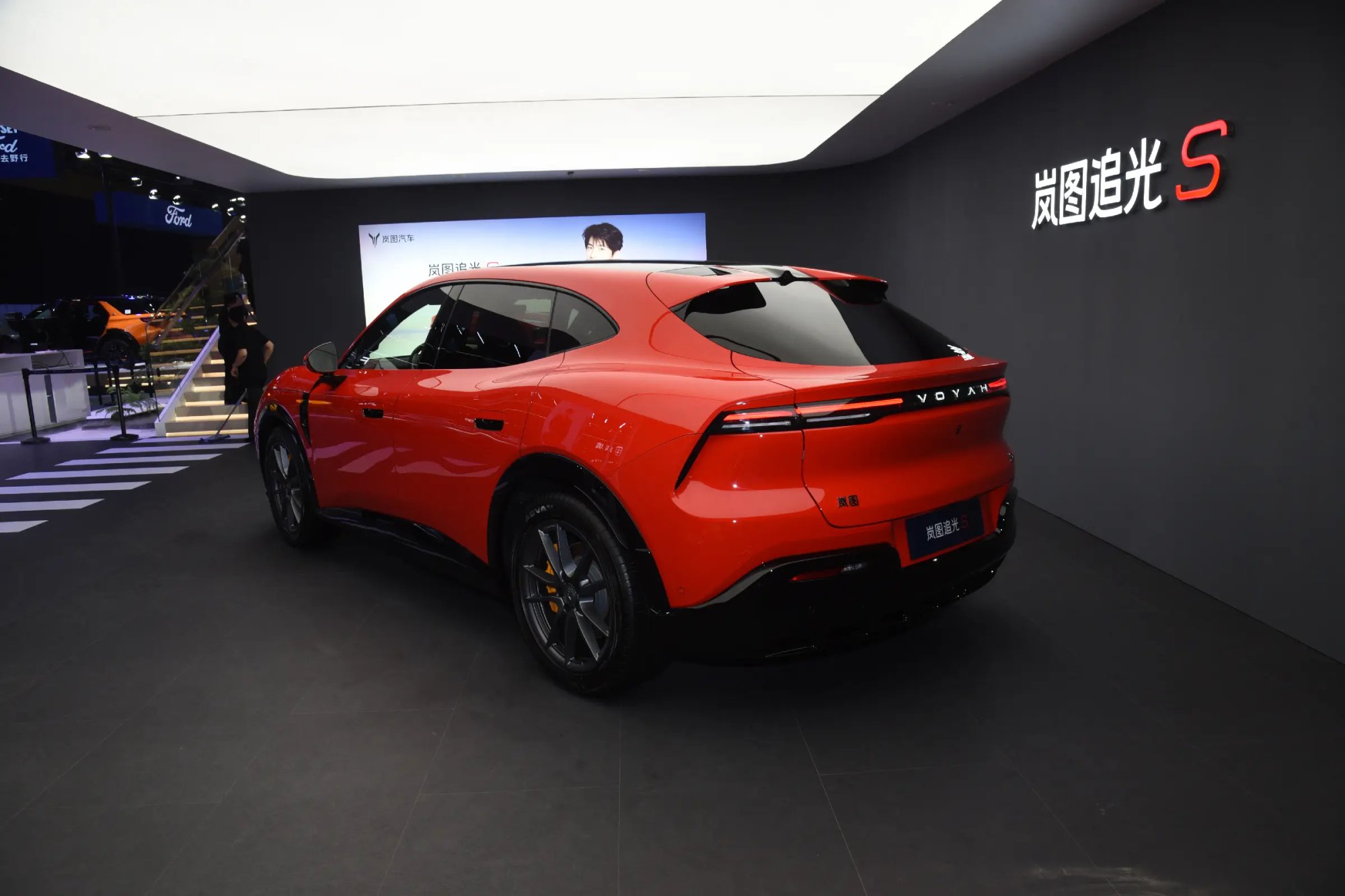
The AWD Ultra+ adopts a front and rear dual-motor layout, with the front motor producing a maximum power of 175kW and the rear motor 300kW, for a total system power of 475kW (646Ps) and total torque of 765N·m, with an official 0-100km/h acceleration time of 4.5 seconds. The dual motors can drive the front and rear wheels separately and coordinate power distribution through the electronic control system. For consumers focused on acceleration performance and four-wheel-drive configuration, the Ultra+ and RWD versions have a clear power difference.
In terms of battery, the Max uses an 81kWh lithium iron phosphate battery with a CLTC range of 630km; the RWD Ultra is equipped with a 98kWh ternary lithium battery with a range of 740km; the AWD Ultra+ also features a 98kWh battery with a range of 700km. The entire lineup adopts an 800V high-voltage platform and 5C ultra-fast charging technology, with an official 20%-80% fast charging time of 10 minutes. The long-range RWD and high-performance AWD correspond to different usage needs respectively.
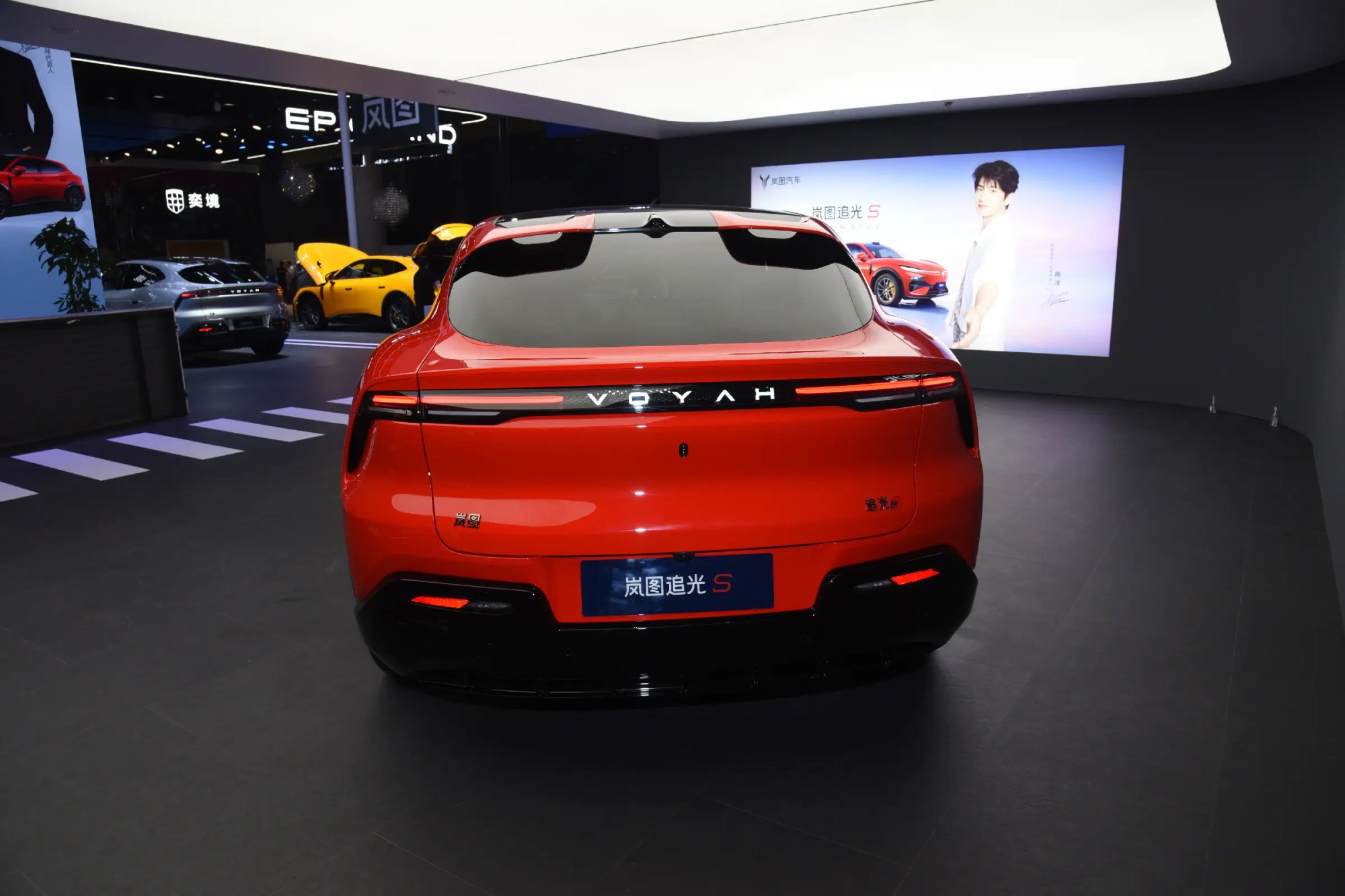
The product characteristics of the Voyah Passion S lie in the combination of double wishbone and rear five-link independent suspension with a high-power electric drive system. The RWD version offers 408Ps of power, suitable for users focused primarily on commuting and family travel; the AWD Ultra+ adds air suspension and 646Ps dual-motor power. For a mid-to-large all-electric SUV, do you value the 740km long range more, or would you prefer the AWD version with 4.5-second acceleration?


