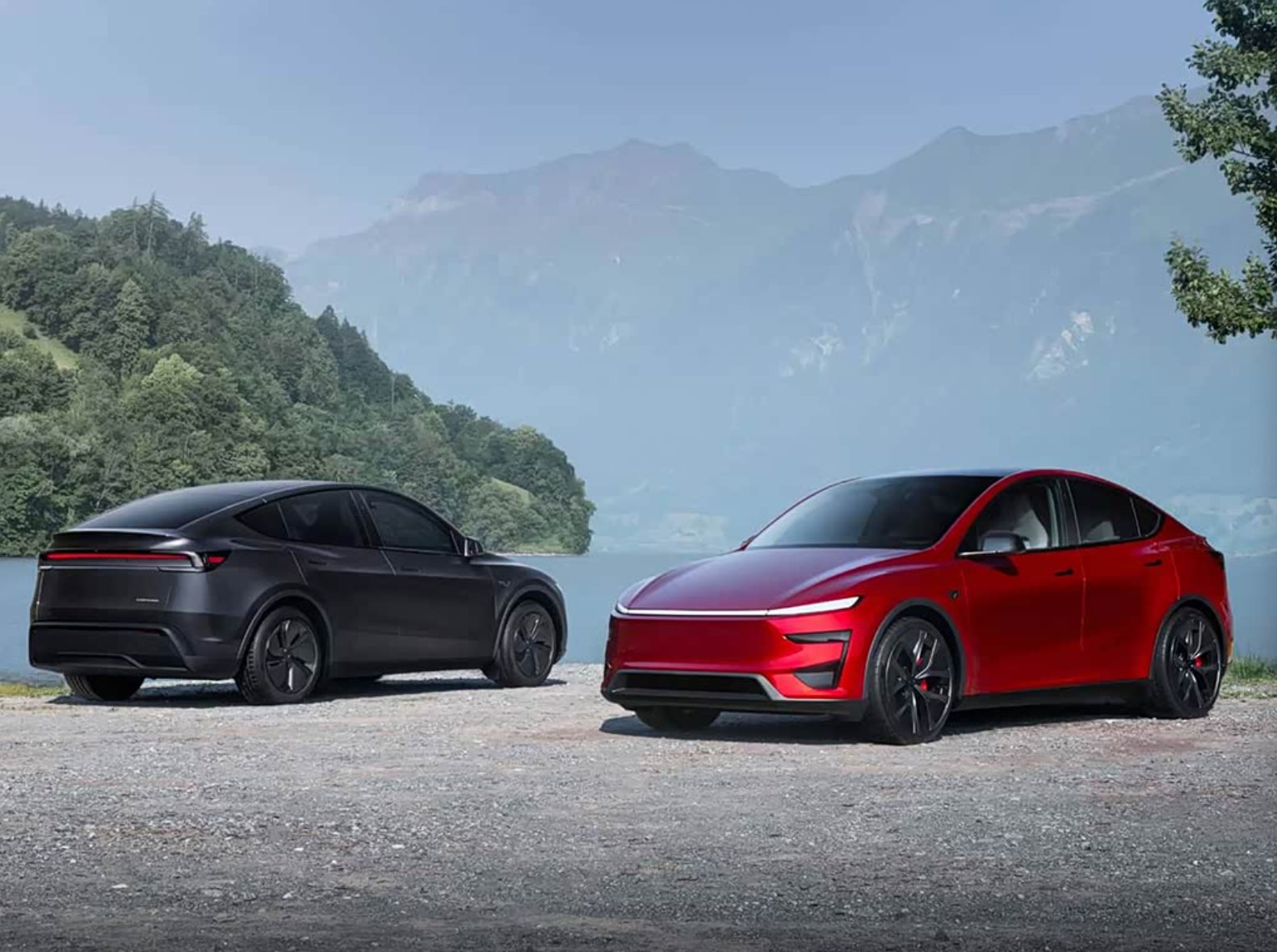
From January to September this year, 98 of China's top 100 cities saw a decline in car sales. In this environment, Tesla Model Y's sales in September nevertheless exceeded 50,000 units, perfectly illustrating the "Golden September and Silver October" peak market season, and further demonstrating that Tesla remains an existence that domestic new energy vehicles cannot match.
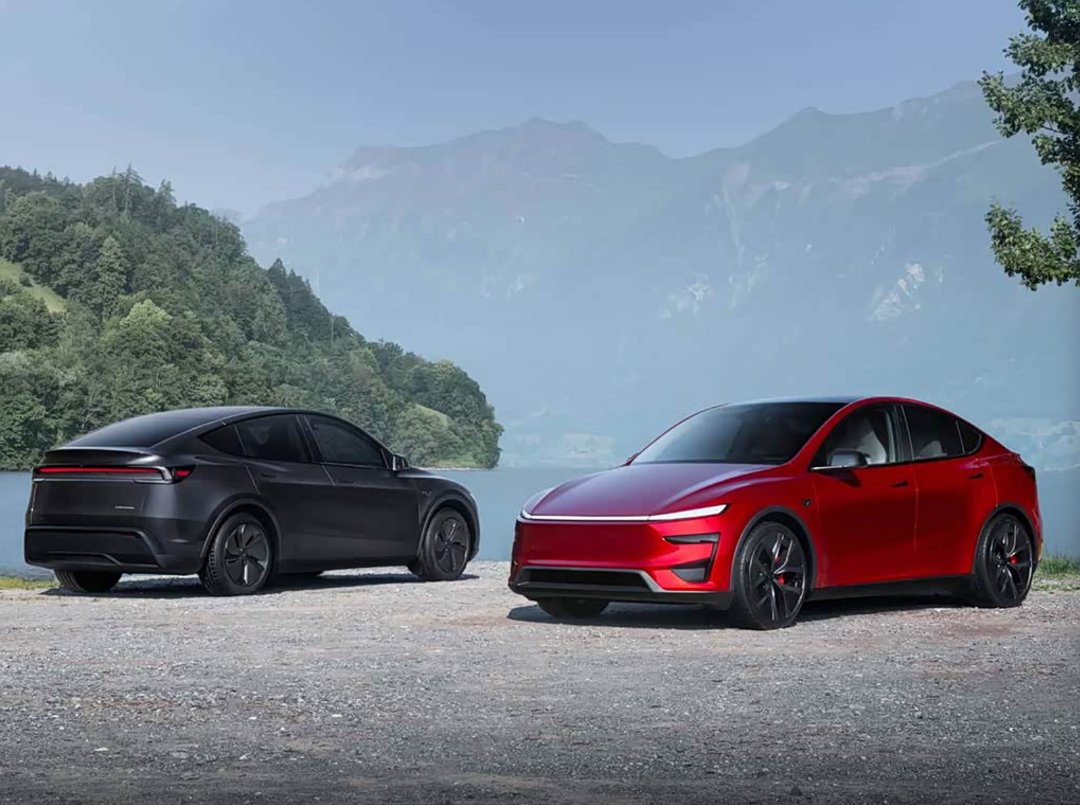
When Tesla first entered the Chinese market, many people said that buying a Tesla was worshipping foreign things. Now it seems that those who buy Teslas are undoubtedly the most clear-headed.
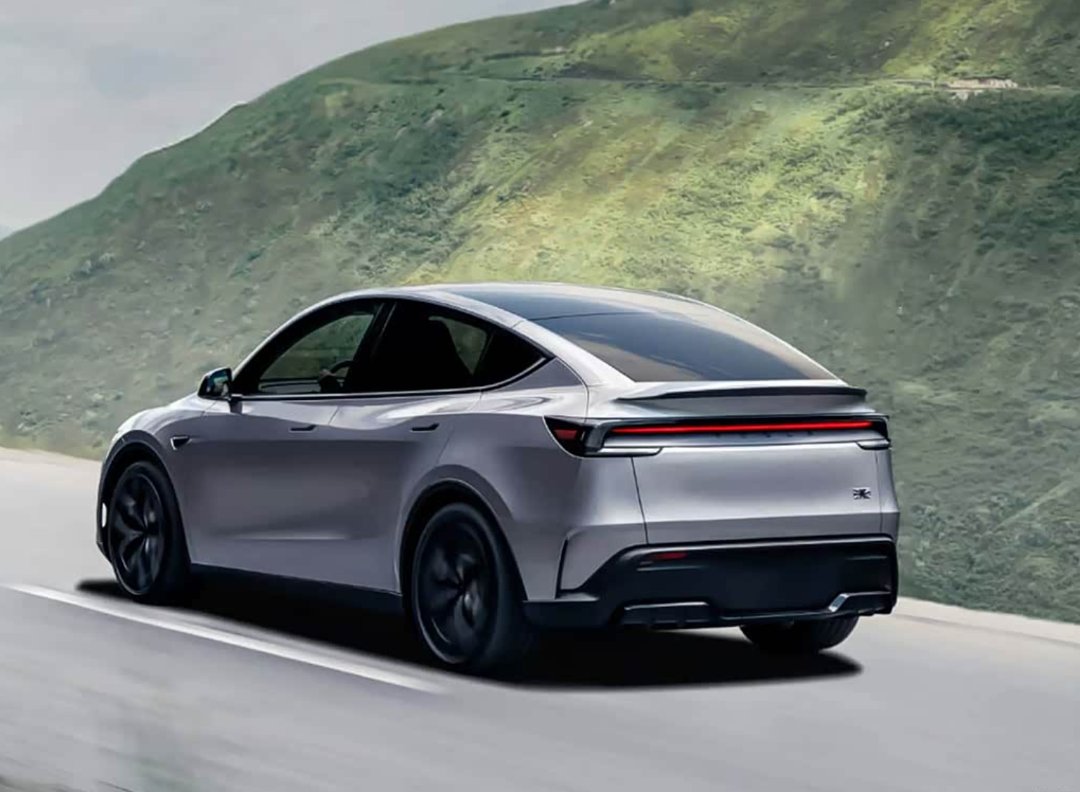
First, in terms of technology, Tesla's three-electric technology still leaves many domestic cars far behind. First of all, it does not make batteries, but all the batteries it purchases are world-class brands. Its main models are equipped with LG's high-nickel NCM811 ternary lithium batteries, whose cell energy density is as high as 270Wh/kg. Although this kind of battery is prone to thermal runaway risk, as long as the battery pack is sturdy enough and the thermal management system is well done, there is basically no need to worry. Lithium iron phosphate batteries are only relatively safer; the battery cell can withstand nail penetration and fire, but the battery pack as a whole is not so good. For example, in the recent AITO models, a collision caused leakage, which damaged the battery pack's liquid cooling and heat dissipation, leading to spontaneous combustion. Therefore, whether it is ternary lithium or lithium iron phosphate, neither is as absolutely safe as car companies claim. Tesla uses high-nickel NCM811 ternary lithium batteries. Due to their high energy density, the battery weight is kept very light, greatly improving the car's handling and safety.
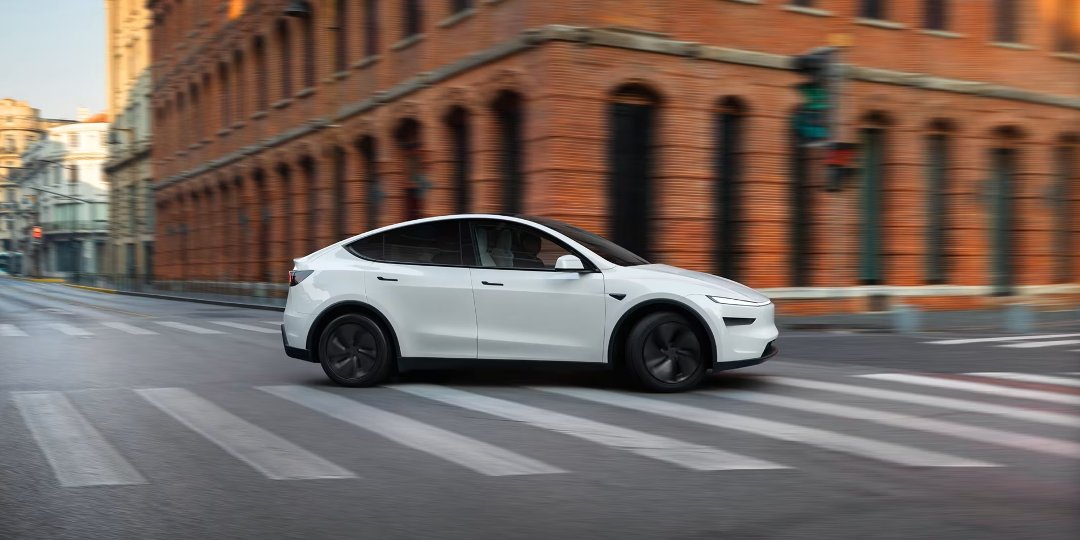
Motors and electronic control have always been areas where domestic cars are catching up. If you look only at peak power, maximum speed, NVH, and maximum body density, many domestic 800V flat-wire motors have now caught up with or even surpassed Tesla. However, Tesla's lead is not crushing on a single parameter, but the engineering trade-offs of the entire system, efficiency range matching, integration, and calibration maturity. It long ago achieved differentiated four-wheel-drive division of labor between asynchronous and permanent magnet motors. Relying on IPM-SynRM reluctance motors, SiC electronic control, directional oil cooling, and calibration deeply coupled with the vehicle's thermal management, it achieves high average efficiency across all operating conditions, especially energy consumption control during high-speed four-wheel-drive cruising.
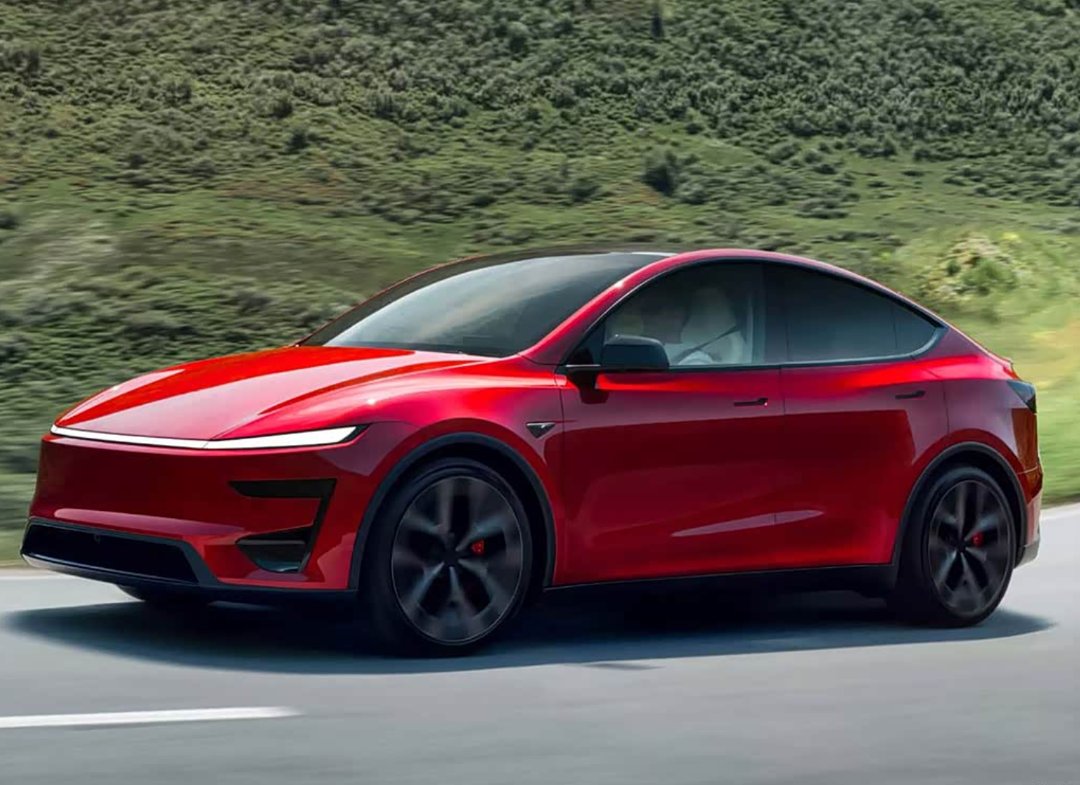
True leadership is not just talk, but actual action. Tesla does not lock battery capacity, has no unfair terms, and allows owners to repair at third-party shops at their own expense rather than forcing them to use official after-sales service. Low-voltage wear parts such as tires, brake pads, and small exterior parts carry lower risk when repaired outside. However, high-voltage three-electric systems such as batteries and motors, as well as structural collision repairs to the body, have very high thresholds. During the warranty period, it is not recommended that ordinary repair shops disassemble them. Once improperly repaired, the relevant components will lose their warranty. This approach is deeply popular and fully reflects the broad-mindedness of a world-class car company.
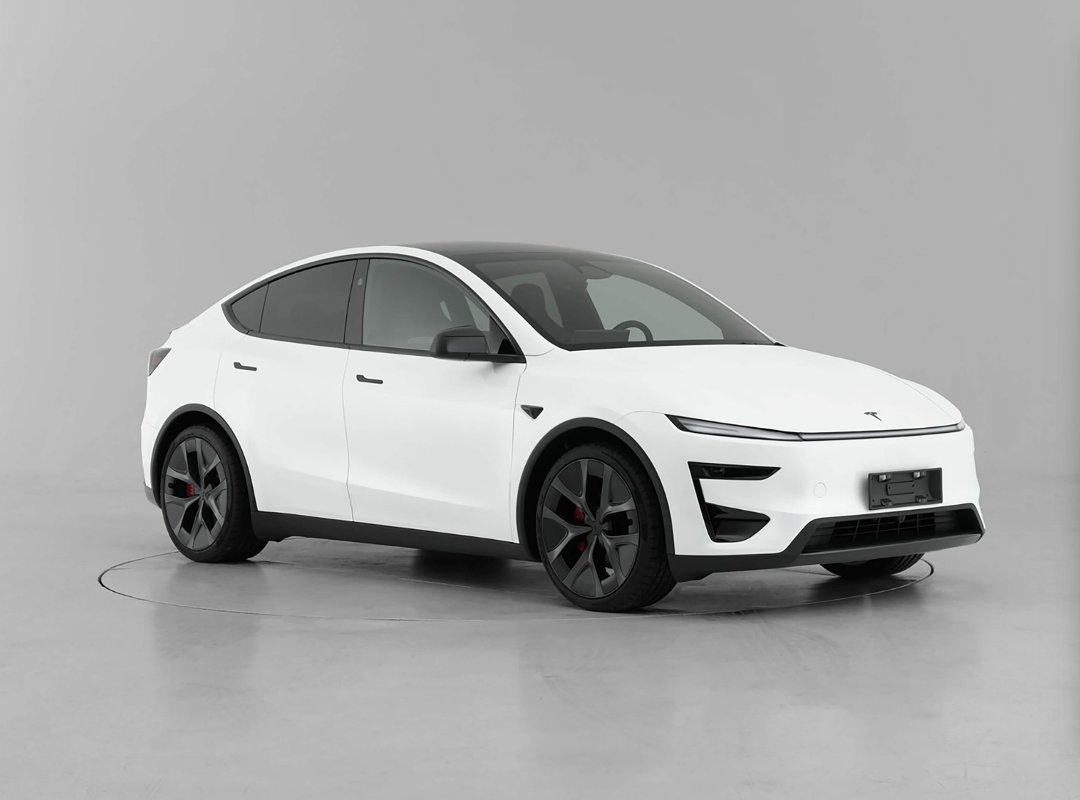
In contrast, domestic new energy vehicles seem narrow-minded. Each car company fights on its own. Although they promise lifetime warranty for the first owner, the conditions are also very harsh. In particular, requiring all maintenance and repairs at 4S stores is simply an unfair term. This was originally the case for fuel cars, and later it was relaxed. But when it comes to electric cars, some even lock your battery capacity, directly making it impossible to drive.
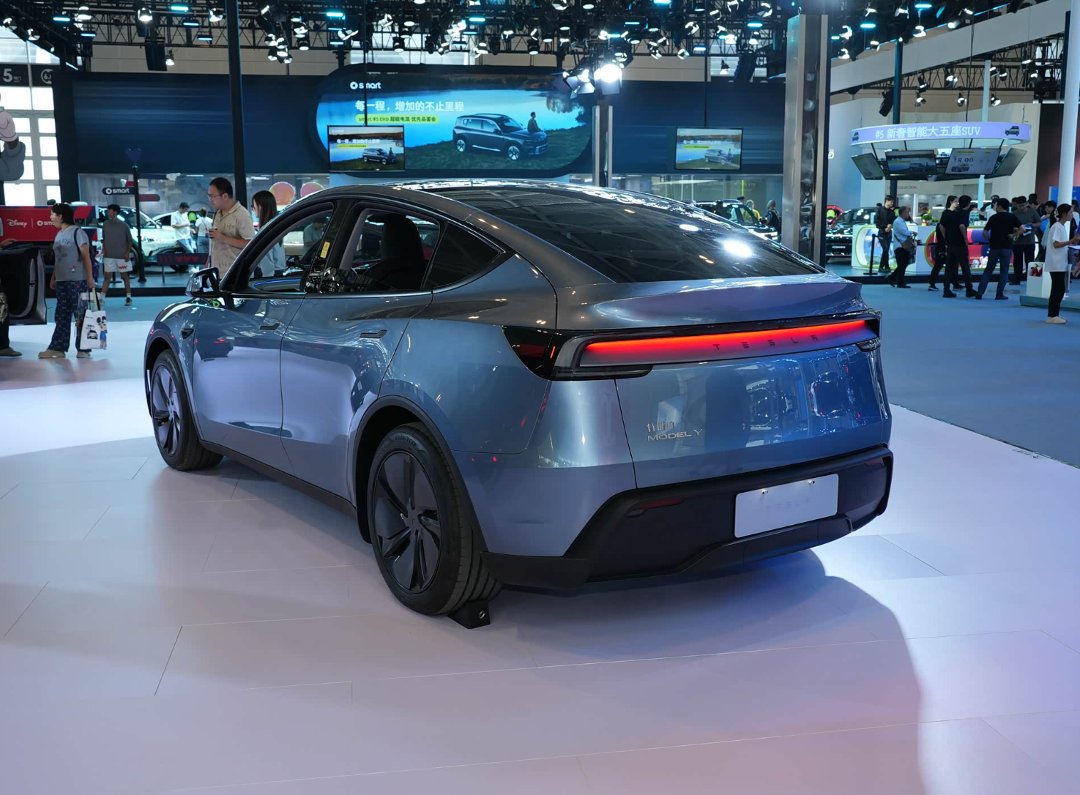
In addition, Tesla has very few models but very large sales, and they are globally unified. The advantage of doing this is saving costs, while consumers can also obtain spare parts more conveniently. In contrast, domestic new energy vehicles build cars faster than raising chickens, yet more terrifying than quick success is that a new car is very hot when it first launches, then goes silent after a few months, and when you turn around and crash the car, there are no spare parts to replace.
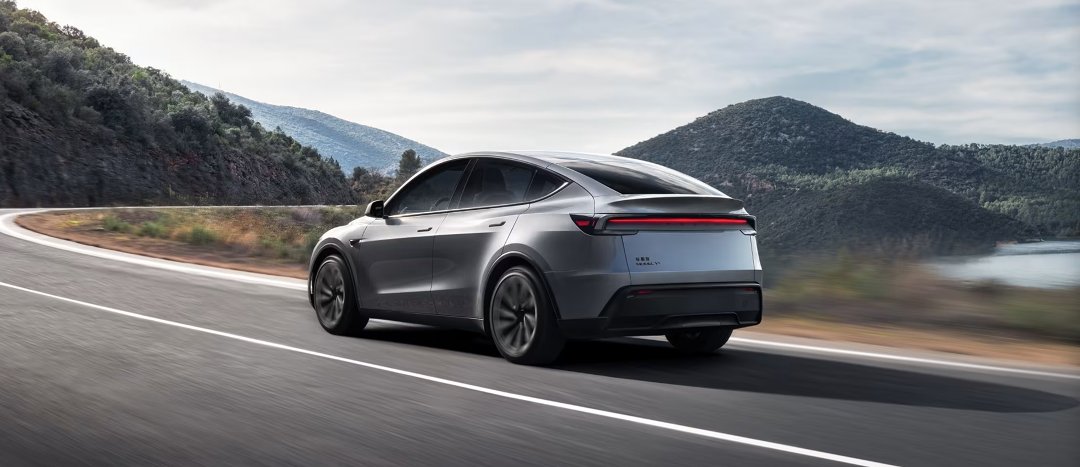
The last issue is defending rights. Tesla is a global model, built to globally unified standards, and once there is a problem, the whole world helps you defend your rights. But it is hard to say for domestic cars. A recently popular joke online goes: "After buying its car, even after you die, it is still blaming you." Some brands keep promoting patriotic sentiment, but when it comes to rights protection, they fall completely silent.
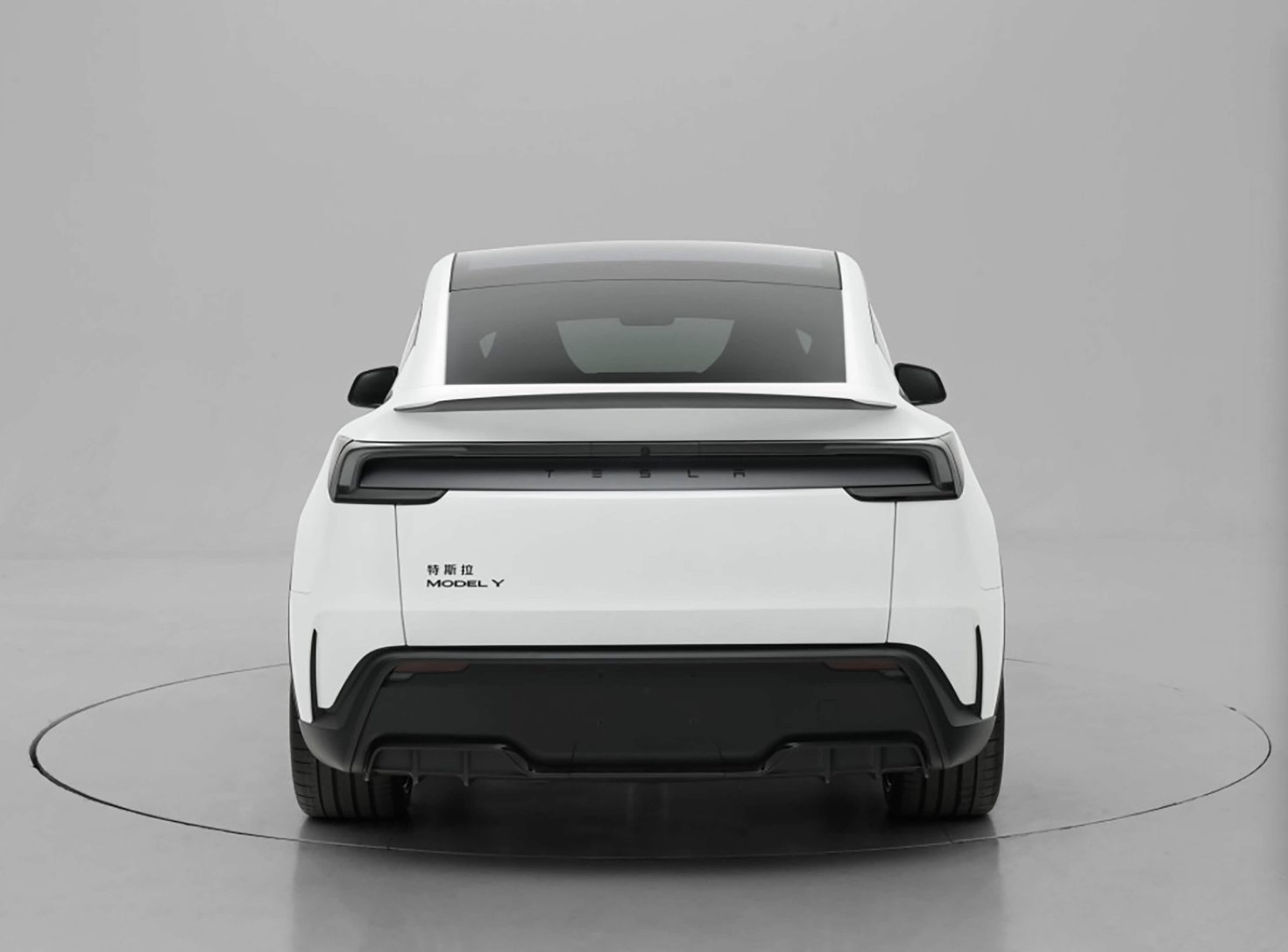
Overall, Tesla is indeed a very mature global car company. It does not have many models yet occupies a huge market share. If it were like domestic new energy vehicles, rolling out three cars a year, then at least half of domestic new energy brands would disappear!